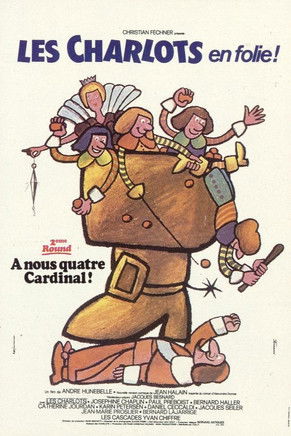
The Four Charlots Musketeers 2
1974
No user ratings available yet
Diversity score: 2.5 out of 10
1974
Director
André Hunebelle
Runtime
110 minutes
Average Rating
No ratings yetSynopsis
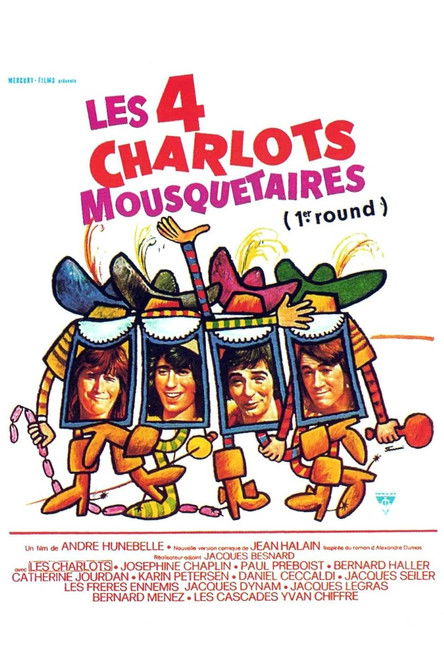
This French slapstick comedy stars the musician/comedian foursome Les Charlots, as valets to the Four Musketeers. One of the film's highlights is a mutual kicking session between Cardinal Richelieu, the King, and a monk. This comedy foursome was enormously popular in 1970s France, and they made a huge number of films during that period.
Overall Score
Limited
Category Breakdown
LGBTQ+ Representation
The film operates within a traditional heteronormative framework. There is no evidence of non-cisnormative gender identities or same-sex intimacy, focusing instead on male camaraderie and traditional romantic archetypes.
Gender Representation
While female characters like Milady de Winter drive plot intrigue, the primary agents of action are male. The film adheres to period tropes where women serve as romantic interests or catalysts for male conflict.
Racial & Ethnic Diversity
The cast is predominantly white and Eurocentric, reflecting its 17th-century French setting. It does not utilize color-blind casting or diverse metaphors, presenting a homogeneous depiction of the era's aristocracy.
Religious & Cultural Diversity
The story centers on Western institutions like the Monarchy and the Catholic Church. Slapstick satire involving the Cardinal and the King serves genre-standard comedy rather than a systemic critique of these institutions.
Disability Representation
There is no discernible focus on characters with visible or invisible disabilities. The film prioritizes physical prowess and slapstick movement, offering no basis for evaluating disability agency.
Strengths
Areas for Improvement
AI Analysis
The film is a conventional 1970s adventure comedy that adheres strictly to the social and cinematic norms of its era. It relies on established hierarchies and traditional character archetypes to drive its slapstick narrative. While the film provides comedic entertainment through its ensemble, it lacks intentionality regarding intersectional representation. The storytelling reinforces the patriarchal and Eurocentric structures of the 17th-century setting rather than disrupting them. Ultimately, the work functions as a period-specific genre piece that prioritizes mainstream, classical narrative structures over social diversity or systemic critique.
1974
1964

1987

1966
1956
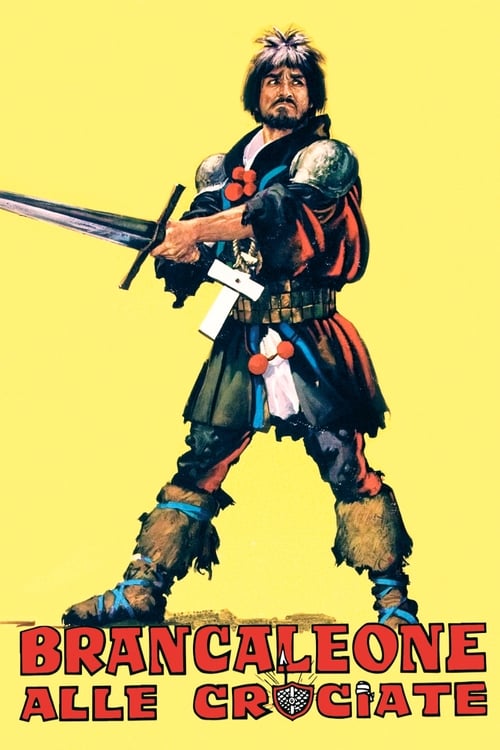
1970
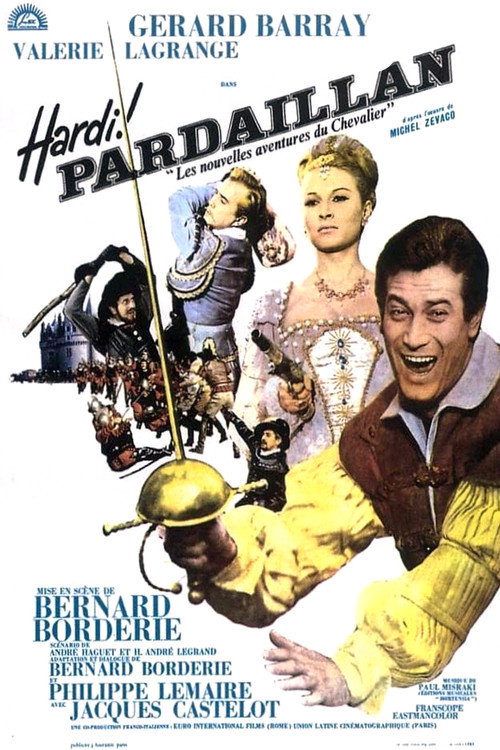
1964

1955
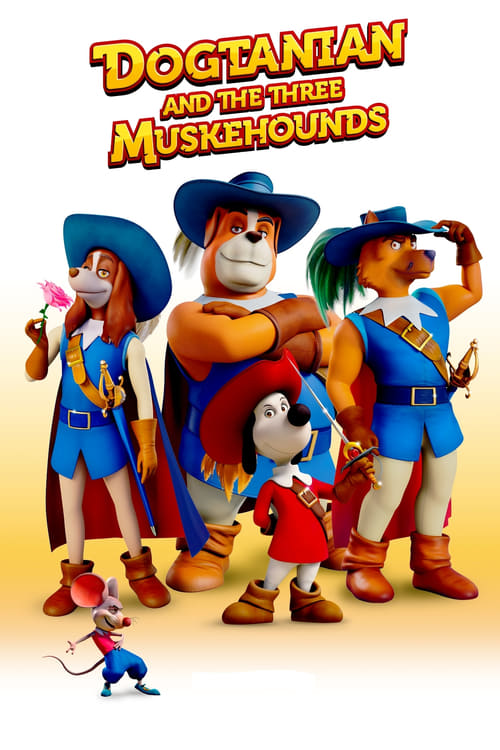
2021
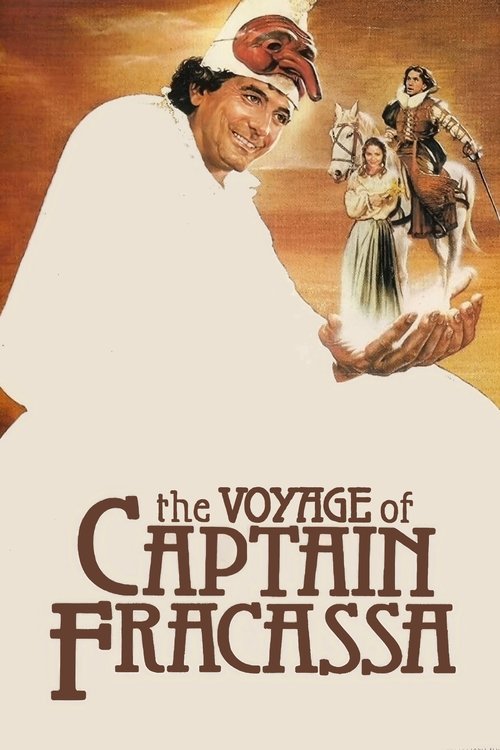
1990
1977
1953
No reviews yet. Be the first to share your thoughts on this movie!
Use the rating form above to leave a star rating and optional review.