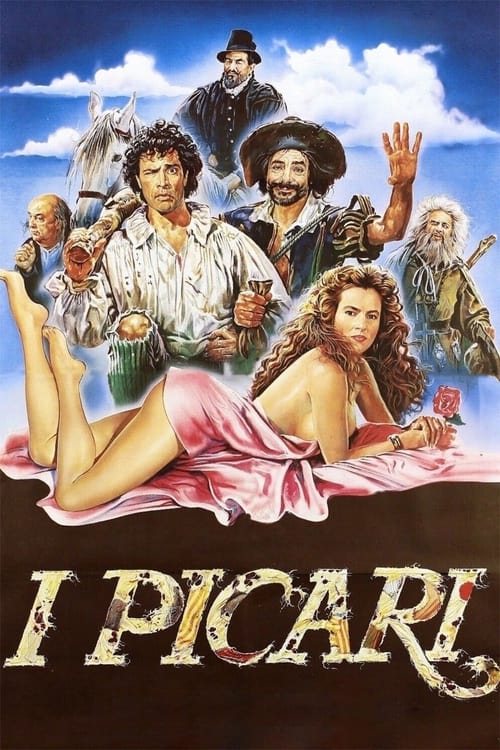
I picari
1987
No user ratings available yet
Representation score: 4.4 out of 10
Representation Score
Fair
1990
Director
Ettore Scola
Runtime
127 minutes
Average Rating
No ratings yetNew Showbiz Analysis
Ettore Scola’s direction offers a nuanced character study that challenges the rigid social hierarchies typical of period dramas. The film elevates the ability to act of its female performers, moving beyond the submissive clichés often found in historical settings. However, the narrative remains tied to traditional romantic frameworks and the historical limitations of its 17th-century setting. The lack of explicit LGBTQ+ representation and racial diversity keeps the film within traditional boundaries. Ultimately, the work finds its strength in its critique of class and the autonomy of the traveling troupe, offering a sophisticated look at the friction between art and aristocracy.
Category Breakdown
The story focuses on traditional romantic relationships. Performance art hints at a fluidity of desire, but there is no emphasis on diverse gender identities or same-sex relationships.
Female characters such as Serafina play significant roles in driving the story. Women are portrayed as active catalysts in the narrative, taking control of their romantic pursuits rather than being passive figures.
The film reflects the socioeconomic diversity of 17th-century France. However, there is limited racial or ethnic diversity among the cast.
The film critiques rigid social structures by focusing on a transient artist class. It highlights the tension between creative individuals and the aristocracy through a lens of moral relativism.
There are no prominent depictions of physical or neurodivergent disabilities that serve as central drivers for the characters or the plot.
Present on Screen
Limited or Absent
Official Synopsis
In the French countryside, circa the 17th-century, Serafina, Pulcinella and Isabella are three lusty, beautiful members of a travelling theatrical troupe, leaving in their wake a crop of broken hearts.
1987

1966
1997
1964
1961
1952
1990
1952
No reviews yet. Be the first to share your thoughts on this movie!
Use the rating form above to leave a star rating and optional review.