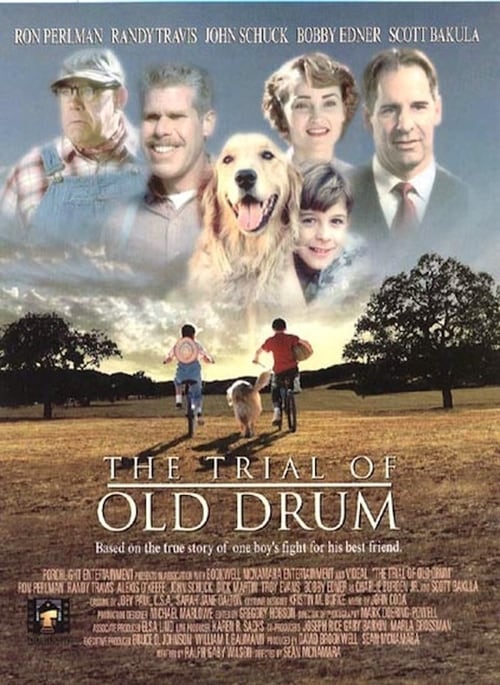
The Trial of Old Drum
2000
No user ratings available yet
Diversity score: 2.1 out of 10
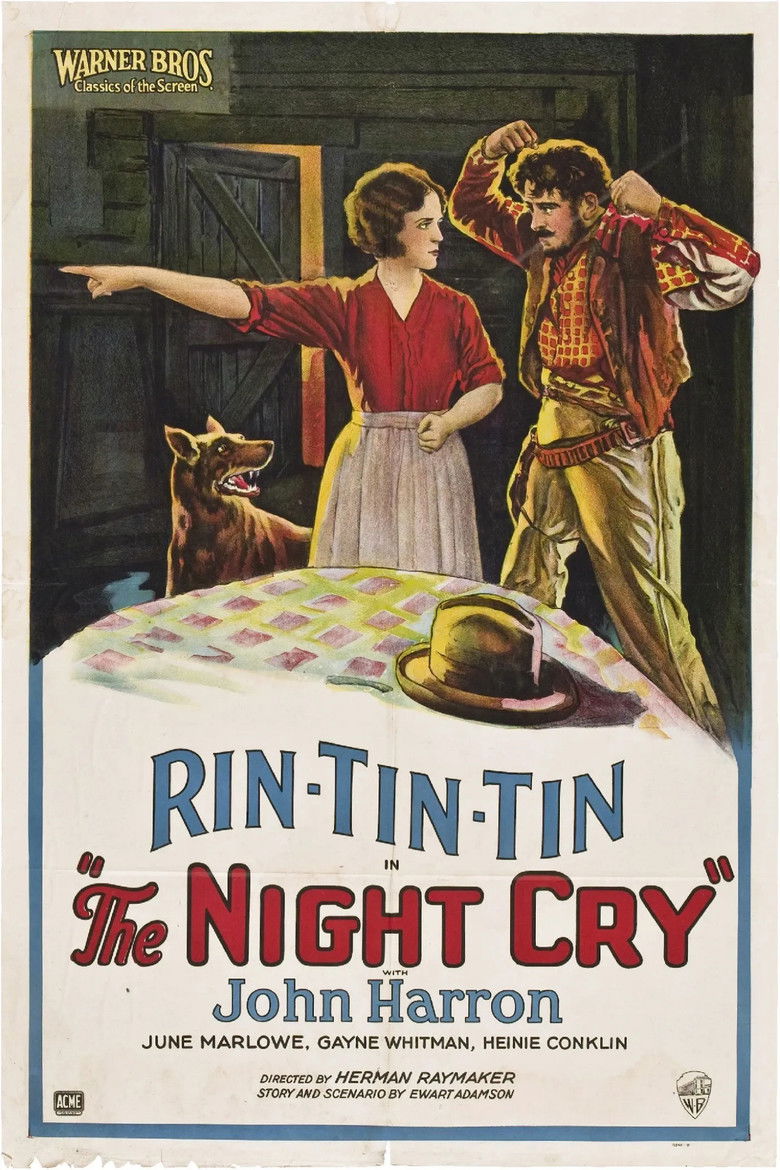
1926
PassedDirector
Herman C. Raymaker
Runtime
64 minutes
Average Rating
No ratings yetSynopsis
A giant condor decimates a herd of sheep, and Rin-Tin-Tin is accused of having turned killer.
Overall Score
Minimal
Category Breakdown
LGBTQ+ Representation
The film lacks any evidence of non-cisnormative identities. It appears to adhere to the standard social structures of the 1920s without queer themes.
Gender Representation
The narrative centers on a canine protagonist and livestock conflicts. There is a notable absence of complex female agency or subversion of gender hierarchies.
Racial & Ethnic Diversity
The setting suggests a traditional Western frontier. The film reflects the homogeneous casting norms of 1920s American cinema without significant characters of color.
Religious & Cultural Diversity
Themes align with traditional Western values regarding property and nature. The plot focuses on restoring order rather than deconstructing Western institutions.
Disability Representation
There is no documented evidence regarding the portrayal of physical or neurodivergent disabilities within this narrative.
Strengths
Areas for Improvement
AI Analysis
The Night Cry is a classic silent-era adventure that prioritizes a struggle between a loyal protagonist and environmental threats. The story follows traditional moral binaries common to animal-centric cinema of the 1920s. Because the film focuses on Rin-Tin-Tin and a conflict involving a condor and sheep, it lacks the narrative complexity needed to address diverse social identities. It functions as a standard genre piece of its era. Ultimately, the film reflects the homogeneous social and cultural norms of the early 20th century, offering little in the way of intersectional representation or progressive character arcs.
2000
1972

1974

1961
2006

2013
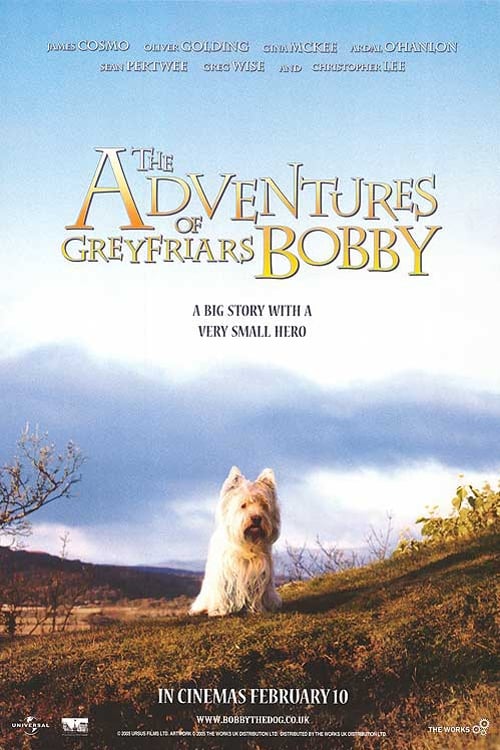
2005

2004
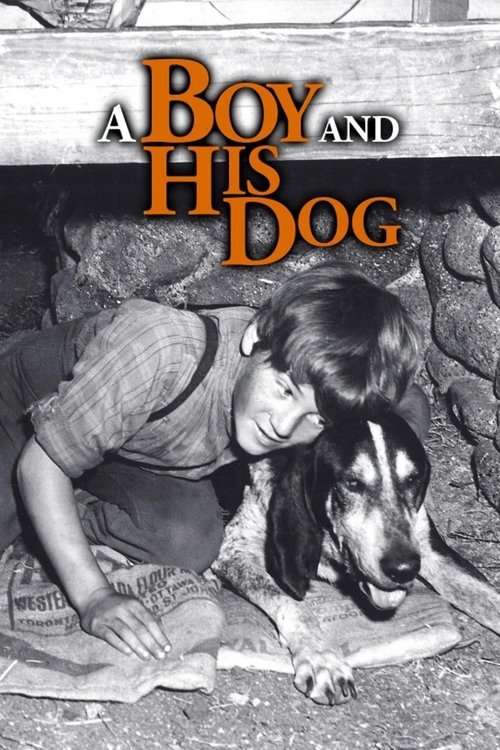
1946
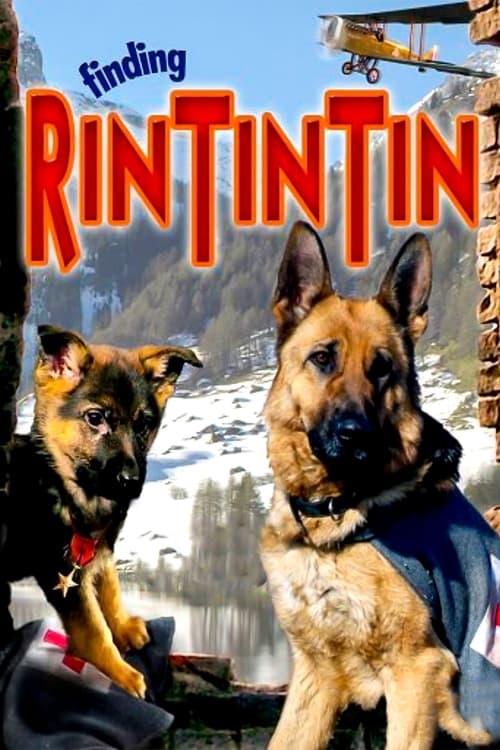
2007
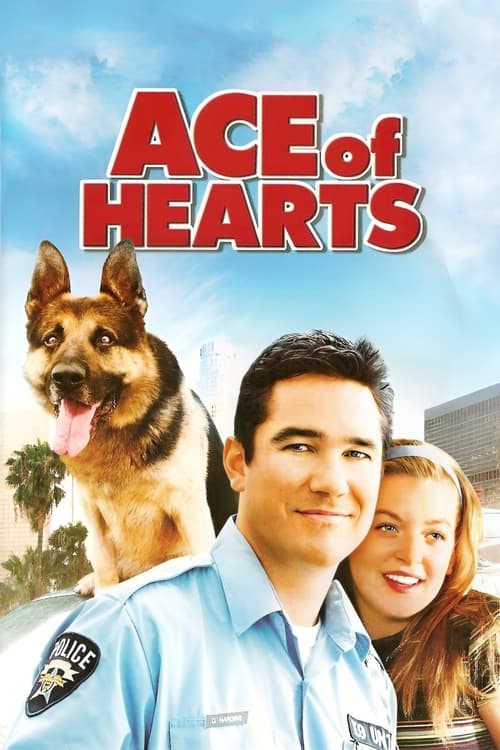
2008

1996
No reviews yet. Be the first to share your thoughts on this movie!
Use the rating form above to leave a star rating and optional review.