
Hollywood Party
1934
No user ratings available yet
Representation score: 2.9 out of 10
Representation Score
Minimal
1954
ApprovedDirector
Ted Parmelee
Runtime
7 minutes
Average Rating
No ratings yetNew Showbiz Analysis
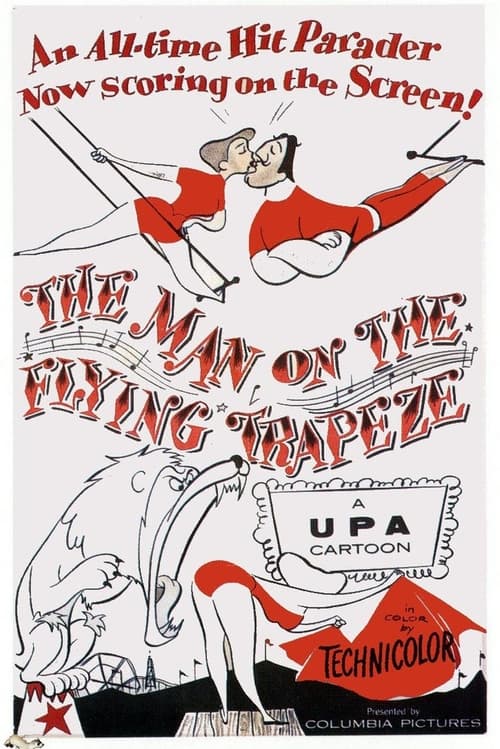
This 1954 animated short is a product of its time, emphasizing slapstick humor and musical numbers. While it slightly deviates from passive female roles, it remains firmly rooted in mid-century social norms. The film's strength is in its narrative structure, where Fifi's social climbing propels the story forward. However, it lacks depth in representing diverse racial, ethnic, LGBTQ+, and disability perspectives, making the characters and themes quite uniform.
Category Breakdown
The film focuses on a traditional love triangle and does not include any representation of non-binary genders or sexual orientations. It also doesn't challenge the idea that everyone is straight or cisgender.
Fifi is the main character who drives the plot through her social interactions. However, her role is still defined by traditional romantic and social expectations.
The cast seems uniform, reflecting the media standards of the 1950s. There is no indication of racial or ethnic diversity among the characters.
The story looks at the practical side of relationships and ambition. It focuses on individual characters rather than critiquing broader societal or cultural issues.
The movie does not show any characters with physical, mental, or sensory disabilities.
Present on Screen
Limited or Absent
Official Synopsis
Sort of a cartoon version of "All About Eve" or people-using-people themes. It opens with a man singing the title song, accompanied by a pianist, a trumpeter and a trombonist. A flashback to the story of Fifi who leaves Waldo for Alonzo, and then leaves Alonzo for the circus owner. Back in the present it is shown that all three men are the musicians and they are almost run down by a limousine, occupied by Fifi, now a stage star.
1934
1941
1939

1953
1932
1954

1937
1933
No reviews yet. Be the first to share your thoughts on this movie!
Use the rating form above to leave a star rating and optional review.