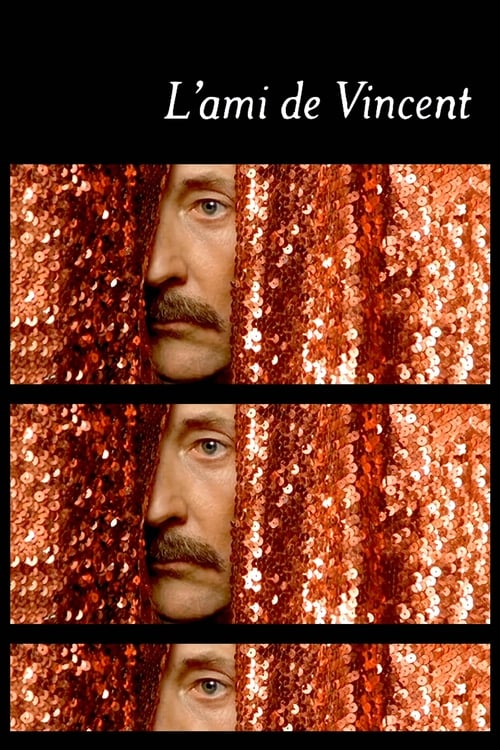
A Friend of Vincent
1983
No user ratings available yet
Representation score: 2.2 out of 10

Representation Score
Limited
1973
PGDirector
Édouard Molinaro
Runtime
85 minutes
Average Rating
No ratings yetNew Showbiz Analysis
Édouard Molinaro’s film is a traditional European comedy of manners that emphasizes situational irony over social commentary. It operates as a closed system of absurdity, adhering closely to the demographic norms of 1970s France. The film does not intentionally address multi-layered identities or dismantle social hierarchies. Instead, it relies on established comedic formulas of the time, focusing on individual character neuroses without broad representation.
Category Breakdown
The film centers on a hitman and a neurotic civilian, without including any characters with non-traditional gender identities or exploring relationships outside of the assumption that everyone is straight.
A female character challenges the male protagonist's control, but the film mainly focuses on his reactions and does not significantly change traditional gender roles.
The cast is mostly white, reflecting the cultural context of 1970s French comedy. There are no diverse ethnic perspectives in the narrative.
The film focuses on social absurdity and individual neuroses rather than critiquing traditional institutions or broader societal norms.
Psychological instability and neurosis are used primarily as comedic elements, lacking a nuanced depiction of mental health issues.
Present on Screen
Limited or Absent
Official Synopsis
Ralf Milan, a hitman, arrives in Montpellier to kill an important witness. He checks in a hotel without knowing that his neighbour has become neurotic after his wife left him.
1983

1974
1975
1981
1956
1980

2000

1966
No reviews yet. Be the first to share your thoughts on this movie!
Use the rating form above to leave a star rating and optional review.