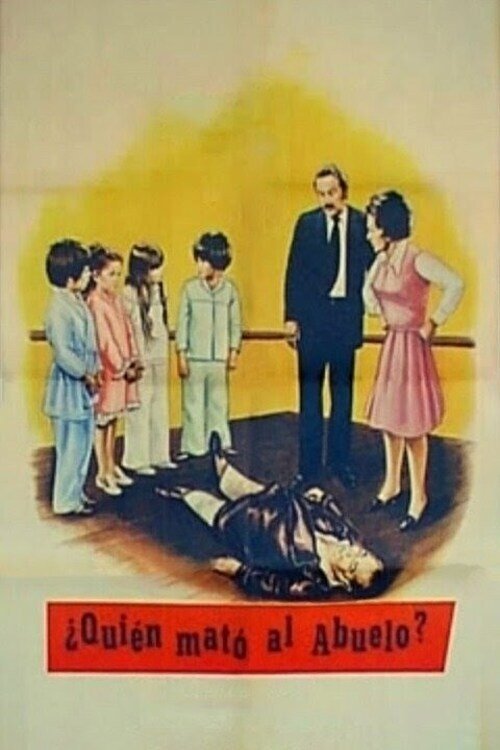
Who Killed Grandpa?
1972
No user ratings available yet
Representation score: 2.8 out of 10
Representation Score
Fair
1980
PGDirector
Marcus Reichert
Runtime
86 minutes
Average Rating
No ratings yetNew Showbiz Analysis
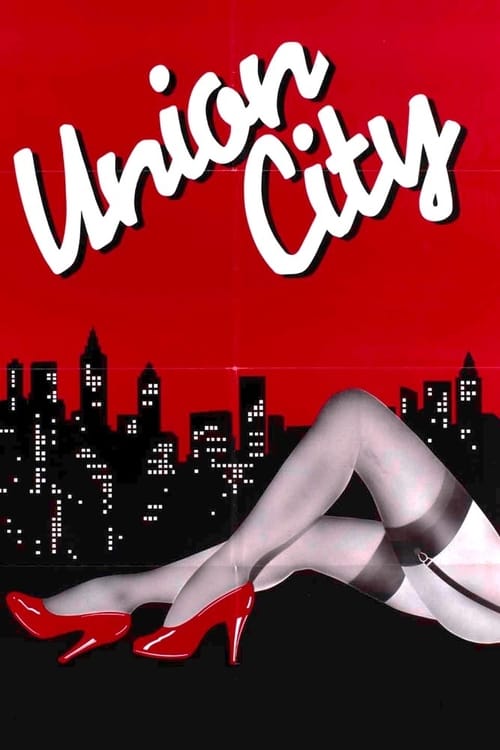
Union City is a psychological neo-noir set in the 1950s, exploring paranoia and social alienation. While it deconstructs the archetype of the stable provider, the film lacks broader diversity. The narrative focuses on class-based tensions, particularly between an accountant and a homeless veteran. This focus limits representation of racial and LGBTQ+ identities. Ultimately, the film excels as a character study of instability but remains confined by a narrow demographic scope and traditional genre clichés.
Category Breakdown
The film focuses on a marriage crisis that adheres to traditional heterosexual norms. There are no representations of LGBTQ+ identities or same-sex relationships.
Lillian is shown as a neglected wife, critiquing the restrictive gender roles of the 1950s. Her relationship with the building supervisor challenges traditional patriarchal structures.
The story takes place in a homogeneous urban environment with no indication of a diverse cast or significant racial blending.
The film critiques the fragility of the American Dream through themes of social neglect. It emphasizes psychological fragmentation over traditional moral stories.
Mental health issues are explored through Harlan’s growing paranoia, but these traits primarily serve the plot rather than providing a nuanced look at neurodivergence.
Present on Screen
Limited or Absent
Official Synopsis
A 1950s accountant with a restless wife grows paranoid after hiding a milk thief's corpse next door.
1972
1971

1987
1978

2004

1966
1990
1978
No reviews yet. Be the first to share your thoughts on this movie!
Use the rating form above to leave a star rating and optional review.