
The Criminal Life of Archibaldo de la Cruz
1955
No user ratings available yet
Representation score: 3.4 out of 10

Representation Score
Good
2000
Not RatedDirector
Arturo Ripstein
Runtime
106 minutes
Average Rating
No ratings yetNew Showbiz Analysis
Arturo Ripstein’s film offers a raw look at social and domestic norms. By focusing on a female lead navigating high-stakes criminal logistics, it challenges traditional gender roles and the idealized family structure. While the film excels in cultural authenticity and moral complexity, it lacks explicit LGBTQ+ representation. The focus remains on the criminal and dramatic implications of bigamy rather than queer identities. Overall, the film provides a nuanced, non-Western perspective on human nature and systemic issues, prioritizing moral ambiguity over conventional storytelling.
Category Breakdown
The film centers on bigamy and domestic crimes rather than explicit LGBTQ+ identities. While it explores unconventional relationships, these seem driven by plot needs rather than a critique of traditional relationship assumptions.
A female character leads the plot, taking a significant role by directing a killer to transport a corpse. This challenges typical portrayals where women are often passive victims in crime stories.
As a Mexican production, the film showcases a predominantly non-Anglo-Saxon cast and crew. It presents authentic Latin American social dynamics outside of Western viewpoints.
The story avoids simple moral messages, instead presenting a complex ethical framework. It portrays the family unit through dysfunctional and criminal behavior, questioning traditional societal norms.
There is no evidence regarding the portrayal of physical or neurodivergent disabilities within the film.
Present on Screen
Limited or Absent
Official Synopsis
A woman seeks help from one of her bigamous husband's killers to transport his corpse back to her home.
1955

2005

2020

2005

2002

1995
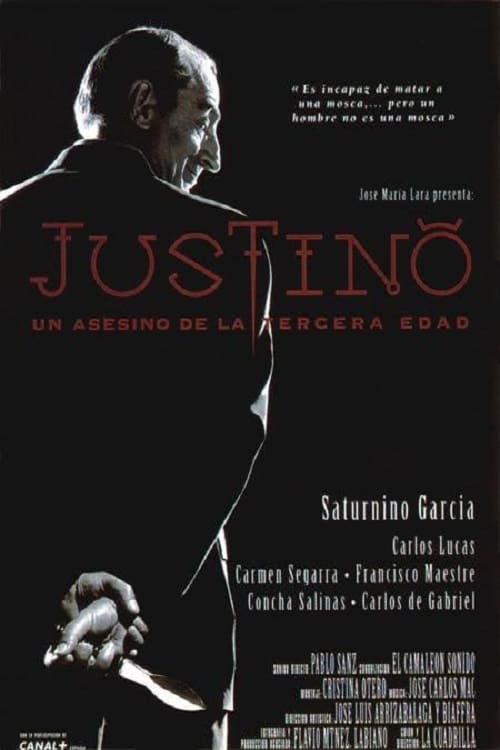
1994

2019
No reviews yet. Be the first to share your thoughts on this movie!
Use the rating form above to leave a star rating and optional review.