
Border Incident
1949
No user ratings available yet
Representation score: 2.1 out of 10
Representation Score
Limited
1955
ApprovedDirector
Sidney Salkow
Runtime
72 minutes
Average Rating
No ratings yetNew Showbiz Analysis
The film is a product of the mid-1950s studio system, emphasizing conventional genre structures over multi-layered storytelling. The narrative is built around a Western male protagonist, which limits the roles of other characters. Cultural representation leans heavily on the 'exotic' framing typical of the era, presenting Latin American geopolitical conflicts through the lens of an American lawman. This approach often reinforces traditional hierarchies rather than exploring local complexities. Ultimately, the film operates as a standard crime drama that adheres to the social and identity-based norms of its time, offering little disruption to established cinematic clichés.
Category Breakdown
The film does not include any LGBTQ+ characters or stories that challenge the assumption that everyone is straight. It seems to follow typical romantic or friendly relationships from the 1950s.
The story revolves around a male protagonist who undertakes dangerous infiltration missions. A female revolutionary character exists, but her role is defined by her loyalty to a male leader and her function as a singer.
Set in Latin America, the film might use 'exotic' framing typical of the era. The narrative centers on an American agent, which could prioritize a Western perspective on foreign conflicts.
The story uses clichés of Western intervention to address regional chaos. It focuses on institutional authority and the disruption of criminal networks in a war-torn environment.
There is no mention of characters with physical, sensory, or neurodivergent disabilities in this production.
Present on Screen
Limited or Absent
Official Synopsis
This adventurous crime drama is set in exotic Latin America and chronicles a lawman's attempt to bust up the ring of Yankee gun-smugglers who have been supplying arms to war-torn Central America. To stop them, the American agent must masquerade as a smuggler and join the gang. Meanwhile a young revolutionary is captivated by the brave words of her leader and pretends to be a singer while she looks for smugglers to sell her the weapons her group so badly needs. The agent is doing well until the smuggler he impersonates shows up and blows his cover. Fortunately, the authorities arrive before the agent is killed.
1949
1937

1955

1960
1967

1967
1950
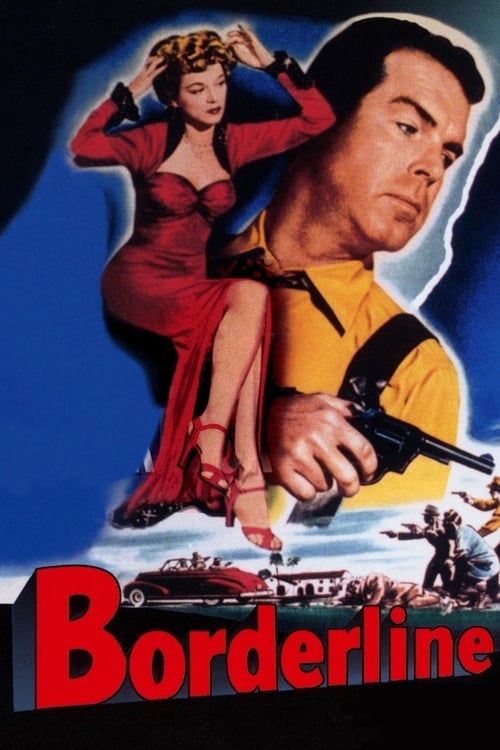
1950
No reviews yet. Be the first to share your thoughts on this movie!
Use the rating form above to leave a star rating and optional review.