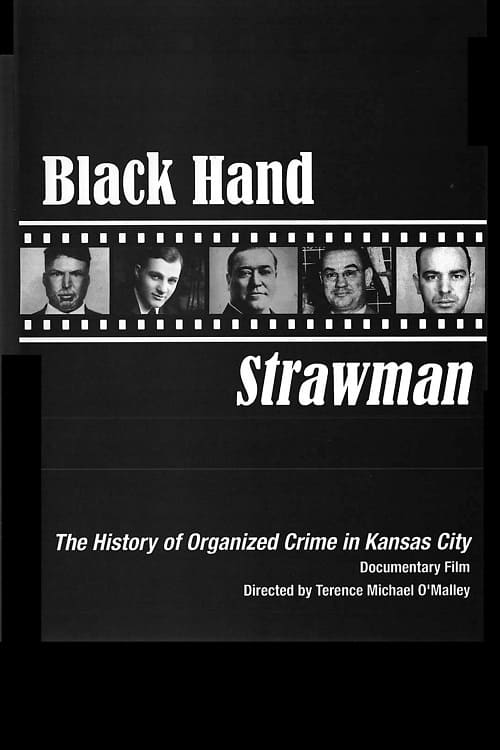
Black Hand Strawman: The History of Organized Crime in Kansas City
2009
No user ratings available yet
Diversity score: 2.3 out of 10

1938
NRDirector
James Cruze
Runtime
67 minutes
Average Rating
No ratings yetSynopsis
An undercover cop infiltrates a powerful New York based crime syndicate.
Overall Score
Fair
Category Breakdown
LGBTQ+ Representation
The film operates within a strictly heteronormative framework. There are no discernible LGBTQ+ characters or non-heteronormative identities present.
Gender Representation
Women are largely relegated to domestic or supportive roles. The narrative lacks female agency, prioritizing masculine-coded power struggles and leadership.
Racial & Ethnic Diversity
The story focuses on ethnic conflict between Anglo-Americans and Irish immigrants. It depicts the Irish as a marginalized group fighting for social and political footing.
Religious & Cultural Diversity
The film critiques established social orders by depicting corrupt legal authority and gang-based governance. It explores power through systemic socioeconomic divides.
Disability Representation
There is no evidence of characters with visible or invisible disabilities. The film does not engage with neurodivergence or physical disabilities.
Strengths
Areas for Improvement
AI Analysis
James Cruze’s crime drama centers on the friction of ethnic identity and the struggle of immigrant groups. While it avoids total homogeneity by highlighting Irish-American tensions, it remains a traditional genre study. The film lacks engagement with LGBTQ+ or disability narratives, adhering to the cinematic conventions of its era. It also maintains rigid gender hierarchies where women serve primarily as secondary figures. Ultimately, the work finds its complexity in deconstructing institutional authority. It presents a morally relativist urban landscape that challenges the stability of mid-19th-century social orders.
2009
1939
1933

1941

1941

1949
1922
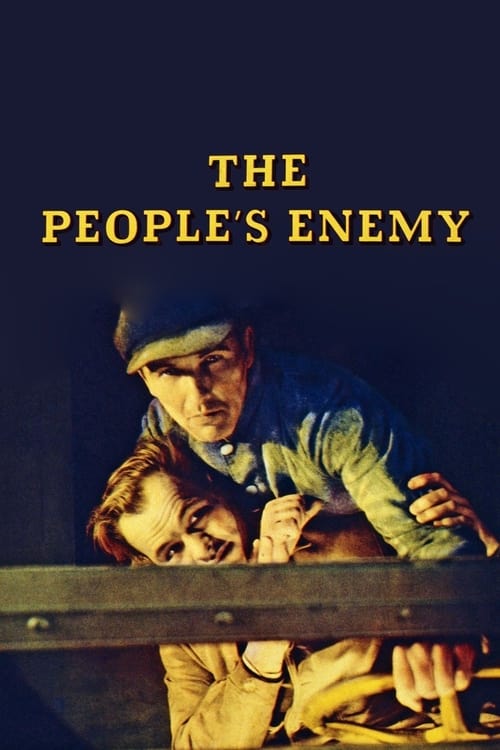
1935
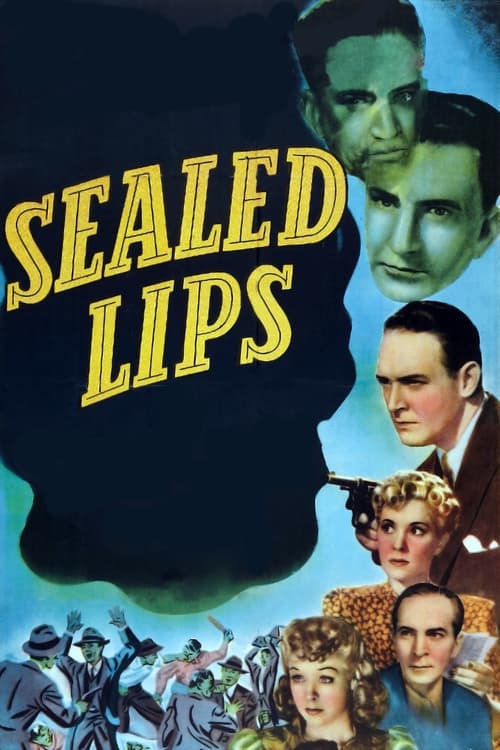
1942
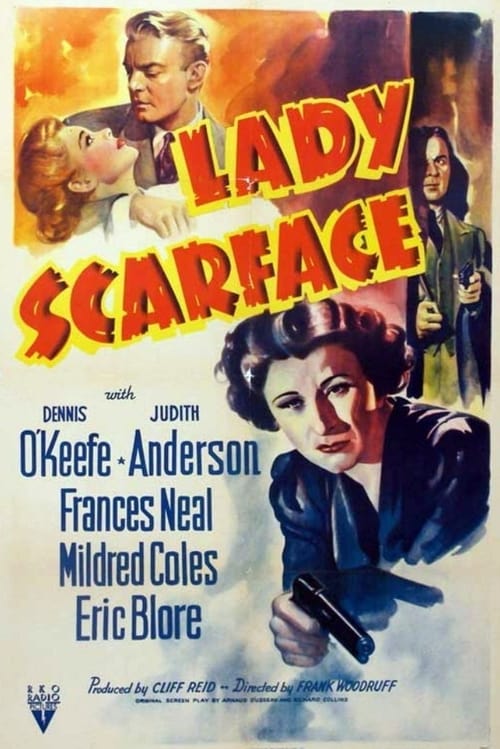
1941
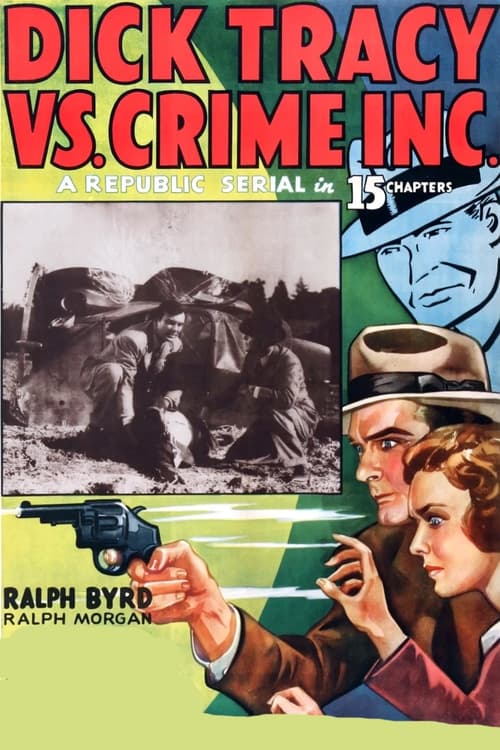
1941
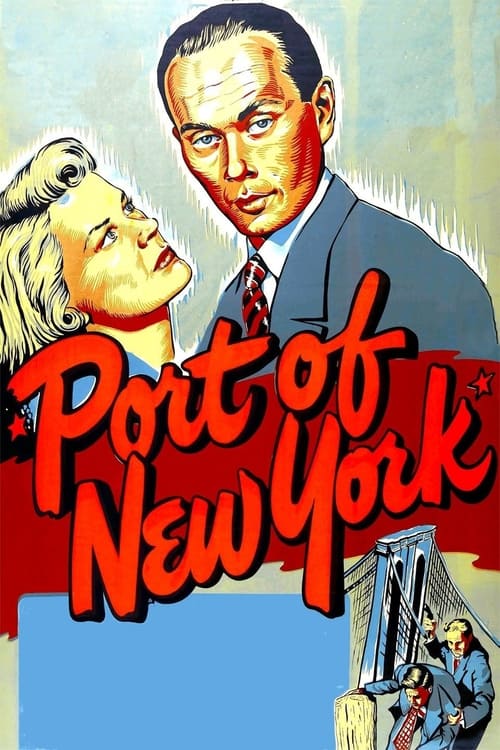
1949
No reviews yet. Be the first to share your thoughts on this movie!
Use the rating form above to leave a star rating and optional review.