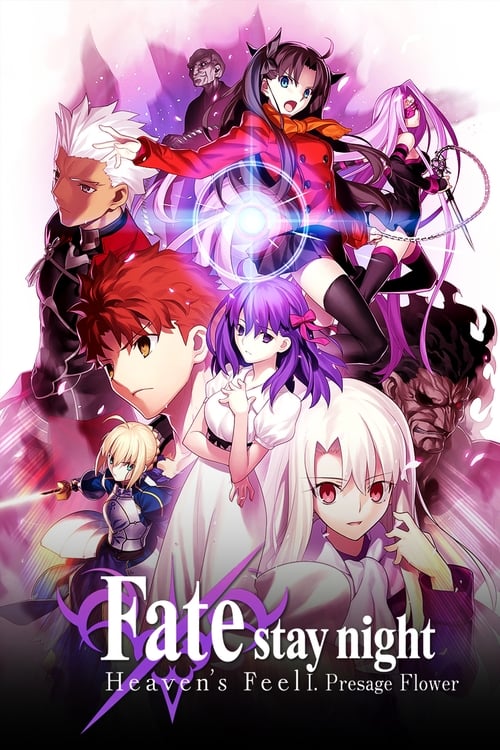
Fate/stay night: Heaven's Feel I. Presage Flower
2017
No user ratings available yet
Representation score: 7.1 out of 10

Representation Score
Fair
2010
TV-14Director
Yuji Yamaguchi
Runtime
107 minutes
Average Rating
No ratings yetNew Showbiz Analysis
The film excels at challenging traditional gender hierarchies, presenting women as powerful, strategic leaders who operate as equals to the male protagonist. This provides a sophisticated layer of ability to act rarely seen in standard action archetypes. However, the work remains demographically narrow. The cast is largely homogeneous, and the narrative lacks representation for LGBTQ+ identities or characters with disabilities, focusing instead on traditional social structures. Ultimately, the film is a philosophical deconstruction of heroism. While it lacks broad diversity, it offers a deep, subjective exploration of morality and the individual's struggle against their own ideals.
Category Breakdown
The film does not explicitly depict same-sex relationships or non-binary gender identities. Character interactions follow traditional romantic and friendship patterns typical of the genre.
Female characters play significant roles in driving the story and have intellectual authority. Saber acts as a strong warrior-leader, while Rin Tohsaka serves as a strategic leader, challenging traditional gender power dynamics.
The cast is predominantly Japanese, reflecting a specific cultural setting. Mythological figures appear but function as metaphysical constructs rather than diverse representations.
The film explores moral relativism through the clash of idealism and cynicism. It focuses on internal philosophical struggles rather than broader geopolitical or anti-capitalist themes.
The film does not intentionally focus on visible or invisible disabilities. Trauma serves primarily as a plot device for combat stakes and character development.
Present on Screen
Limited or Absent
Official Synopsis
In the World before, novice mage Shirou Emiya summoned and bonded with beautiful heroic spirit Saber as they became enmeshed in the battle for supremacy known as the fifth Holy Grail War. Fate, however, is a fickle mistress, and there was more than one way for that story to transpire. Now, in an alternate timeline, the pairing’s destiny becomes more tightly intertwined with that of high school student/secret Mage Rin Tohsaka and her Servant Archer. Even if you think you know what will happen next, prepare to be surprised as new twists await at every turn.
2017
2019
2020

2023
2011
2012
2017
2021
No reviews yet. Be the first to share your thoughts on this movie!
Use the rating form above to leave a star rating and optional review.