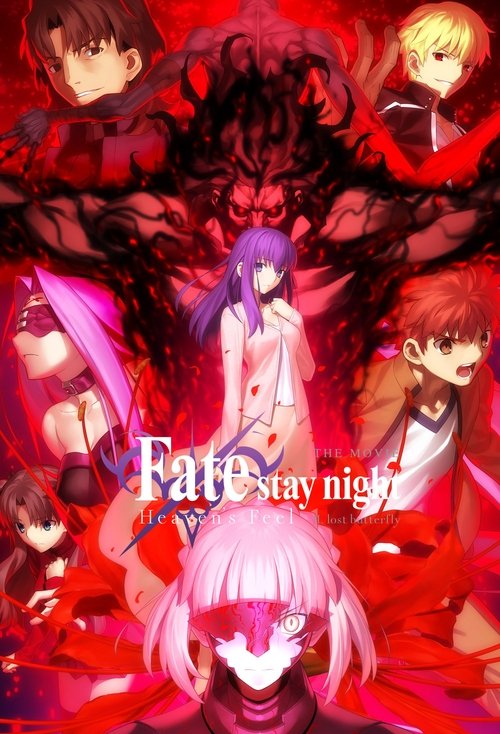
Fate/stay night: Heaven's Feel II. Lost Butterfly
2019
No user ratings available yet
Representation score: 7.5 out of 10
Representation Score
Good
2020
TV-MADirector
Tomonori Sudo
Runtime
120 minutes
Average Rating
No ratings yetNew Showbiz Analysis
The film highlights a contrast between its homogeneous demographic makeup and its progressive narrative themes. While the cast remains culturally specific and lacks LGBTQ+ representation, the story actively dismantles traditional power structures and heroic archetypes. Its strength lies in its refusal to rely on simplistic moralities. By focusing on the psychological consequences of trauma and the corruption of established institutions, it goes beyond typical genre clichés to provide a nuanced study of individual ability to act. Ultimately, the work functions as a critique of systemic oppression, even though it maintains a traditional visual and romantic framework.
Category Breakdown
The film does not include explicit LGBTQ+ identities or non-traditional romantic relationships. It focuses on a central bond that follows traditional romantic patterns.
The story challenges traditional gender roles by transforming the male lead into a protector rather than a hero. Sakura Matou's actions and experiences drive the film's tension.
The cast is primarily homogeneous, reflecting the story's specific cultural context. It avoids harmful stereotypes but does not diversify its cast to broaden its demographic range.
The story critiques predatory institutions and corrupt magical authorities. It emphasizes individual ethics and personal connections over traditional social obligations or universal morals.
The film examines the psychological impact of systemic trauma and domestic abuse through Sakura Matou. It handles her mental fragmentation seriously rather than using it as a plot device.
Present on Screen
Limited or Absent
Official Synopsis
The battle rages on as Shirou continues to protect Sakura, now consumed by the darkness. He joins forces with Rin to end the Holy Grail War, while Illyasviel, who knows the truth behind it, confronts her fate. Amidst the chaos, Zouken plots to manipulate Sakura for his own desires. The final fight begins.
2019
2017
2017
2011
2021
2021

2010
2021
No reviews yet. Be the first to share your thoughts on this movie!
Use the rating form above to leave a star rating and optional review.