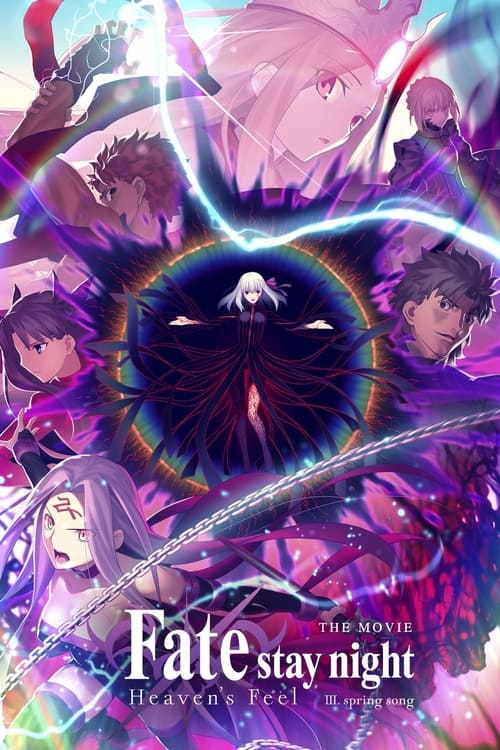
Fate/stay night: Heaven's Feel III. Spring Song
2020
No user ratings available yet
Representation score: 7.2 out of 10
Representation Score
Fair
2011
Director
Seiji Kishi
Runtime
12 minutes
Average Rating
No ratings yetNew Showbiz Analysis
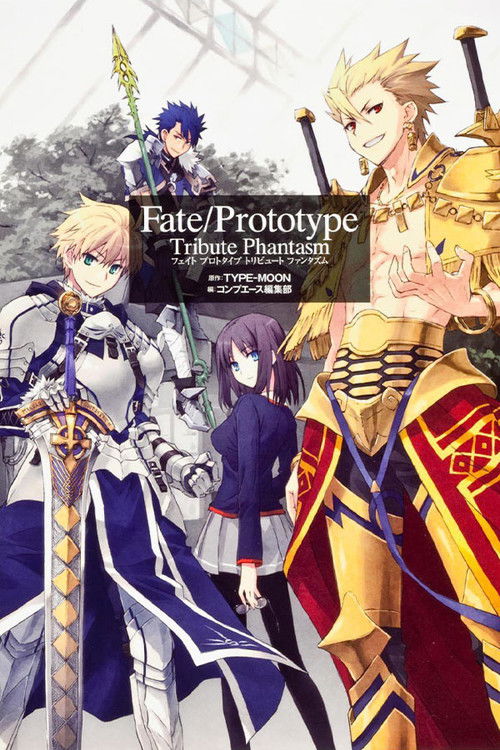
Fate/Prototype distinguishes itself by deconstructing the traditional heroic quest. Instead of a pursuit of a benevolent wish-granting object, the story investigates the systemic darkness and corruption inherent in the Holy Grail mythos. The work excels at institutional critique, replacing simple moral binaries with a sophisticated look at power and authority. This approach favors moral relativism over standard fantasy clichés. While the narrative offers depth through its subversion of mythic structures, it remains limited by genre-specific aesthetic archetypes and a lack of explicit focus on racial or disability representation.
Category Breakdown
The franchise explores non-traditional interpersonal dynamics and gender-fluid characters. This reimagining offers a nuanced exploration of identity that disrupts the assumption that everyone is straight or cisgender.
Female characters often play a significant role in driving the story, showcasing combat skills and intellectual dominance. This iteration reconfigures roles to challenge conventional gendered expectations of leadership and strength.
The cast follows established aesthetic archetypes common to the medium. The narrative focuses on metaphysical conflict rather than ethnic identity, showing limited evidence of diverse racial casting.
The story adopts a skeptical stance toward traditional mythological ideals. By framing the Holy Grail as a source of corruption, it critiques the sanctity of spiritual institutions.
There is no specific evidence regarding the portrayal of visible or invisible disabilities within the narrative.
Present on Screen
Limited or Absent
Official Synopsis
Fate/Prototype is a reimagined version of Kinoko Nasu's original version of Fate/stay night. The storyline takes place eight years after the tragic Heaven's Feel. Here, the Holy Grail is still the so desired object. However, the darkness under this so-called "Grail" is revealed while the characters proceed to fight against each other in order to win.
2020
2019
2017

2023
2017
2021
2021
2016
No reviews yet. Be the first to share your thoughts on this movie!
Use the rating form above to leave a star rating and optional review.