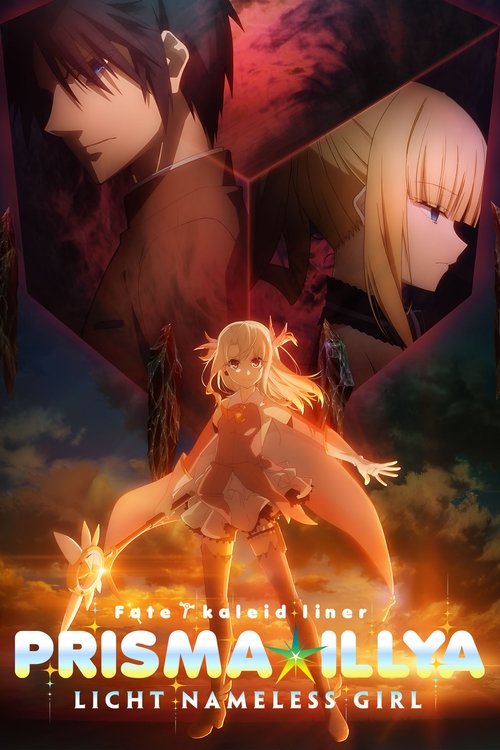
Fate/kaleid liner Prisma☆Illya: Licht Nameless Girl
2021
No user ratings available yet
Representation score: 6.7 out of 10
Representation Score
Fair
2017
Director
Shin Oonuma
Runtime
89 minutes
Average Rating
No ratings yetNew Showbiz Analysis
The film stands out by placing strong, capable female characters at the forefront of the narrative. These characters challenge traditional gender roles through their combat skills and leadership. However, the film remains traditional in its approach to social issues, lacking meaningful representation of LGBTQ+ identities, racial diversity, or disability. It stays within the established visual and social conventions of the magical girl genre, focusing on gendered empowerment.
Category Breakdown
The film does not include explicit representations of same-sex relationships or non-binary identities. The character interactions focus on friendships and family ties within traditional frameworks.
Female characters drive the plot through their combat skills and intellectual leadership. This ensemble challenges the passive female cliché by placing women at the center of the action.
The cast is predominantly made up of actors fitting a specific aesthetic, adhering closely to the genre's traditional look. It does not use diverse ethnic casting to challenge established norms.
The story follows a typical hero versus antagonist structure. It emphasizes personal morality and protecting loved ones rather than critiquing systemic issues or ideologies.
There is no prominent focus on physical or neurodivergent disabilities. Psychological trauma is used mainly as a dramatic plot device rather than a nuanced exploration of disability.
Present on Screen
Limited or Absent
Official Synopsis
Despite his adoptive father's warnings that the girl found in the remnants of a destroyed city is too dangerous to be considered anything other than a tool or weapon, Shirou Emiya comes to treat Miyu as a younger sister. But when Shirou relaxes his guard and Miyu starts normal school, the Ainsworth family and their agents swoop in, kidnapping the girl with the goal of sacrificing her! Faced with the realization that Miyu's ability to do good will always be equaled by her capacity for destruction, Shirou must attempt to both rescue his adopted sister, and decide how to confront the threat that her powers will always pose.
2021
2017
2020
2019
2016
2015
2021
2011
No reviews yet. Be the first to share your thoughts on this movie!
Use the rating form above to leave a star rating and optional review.