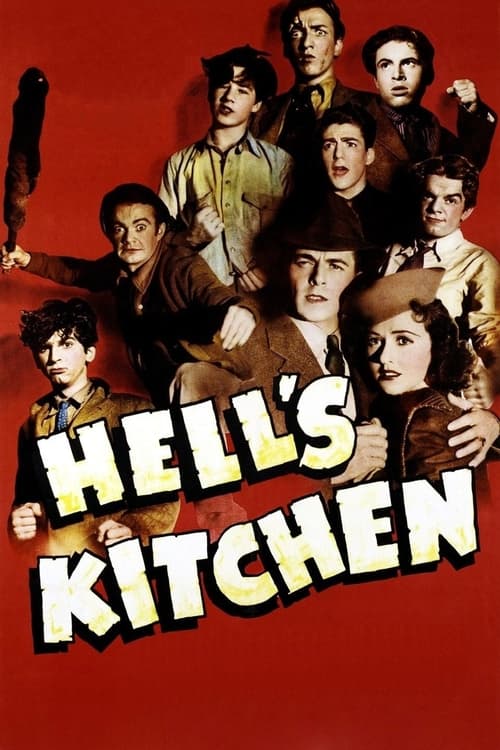
Hell's Kitchen
1939
No user ratings available yet
Representation score: 1.8 out of 10
Representation Score
Limited
1937
Director
David MacDonald
Runtime
70 minutes
Average Rating
No ratings yetNew Showbiz Analysis
This 1937 drama is a product of its time, focusing on a central conflict between an abusive prison administrator and his inmates. While the plot offers a critique of institutional corruption, the film lacks modern social deconstruction or diverse identity representation. The narrative primarily serves as a traditional moral tale regarding authority and power.
Category Breakdown
The film does not include any characters with non-traditional gender identities or same-sex relationships. It follows the strict censorship rules of 1937 British cinema.
The story focuses on a conflict between a prison administrator and inmates, likely reinforcing traditional gender roles of the era.
The production reflects the homogeneous demographics of the 1930s. There is no indication of a diverse cast or non-Anglo-Saxon majority.
The story examines institutional corruption and the misuse of power. While it critiques systemic issues, it stays within the traditional moral storytelling framework.
There is no evidence of characters with physical or neurodivergent disabilities. During this period, such characters were often used as secondary plot devices.
Present on Screen
Limited or Absent
Official Synopsis
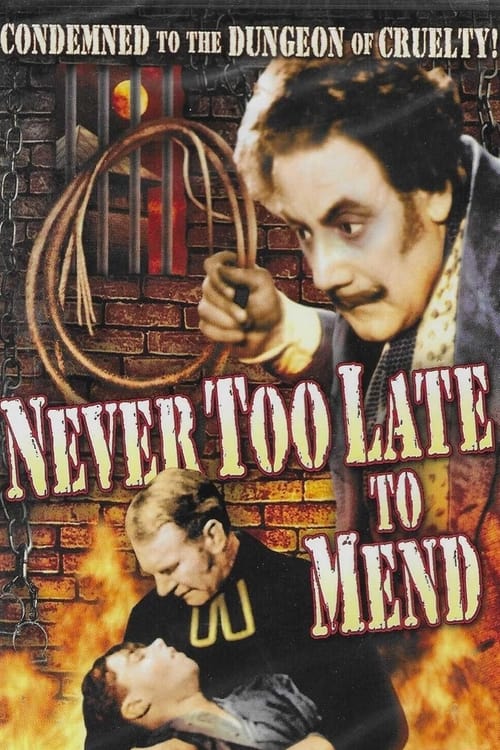
An evil prison administrator cruelly abuses the inmates at his prison, until one day the tables are turned.
1939
1938
1932
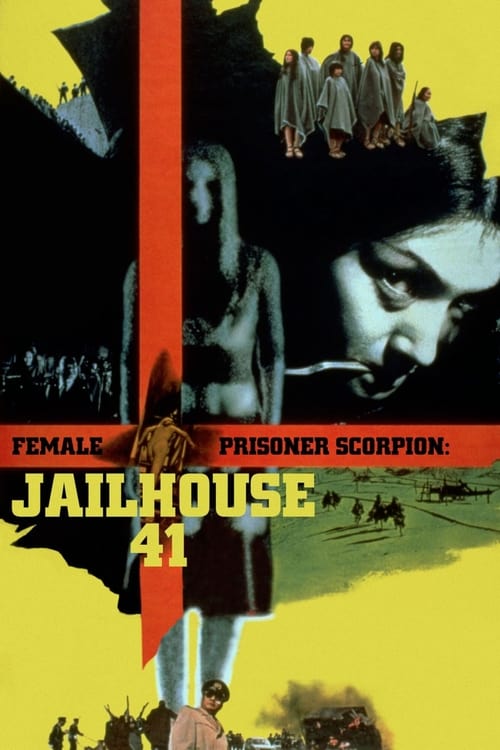
1972
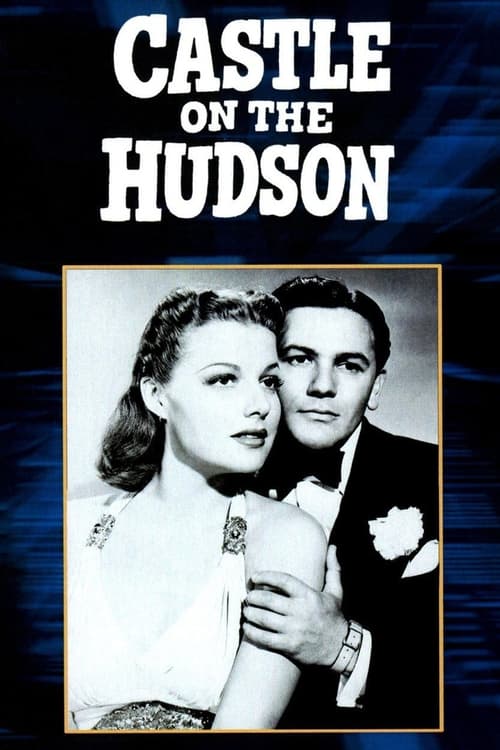
1940
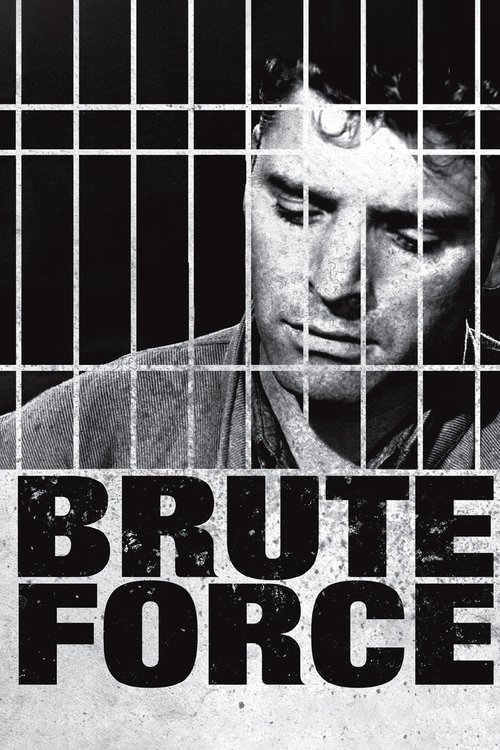
1947
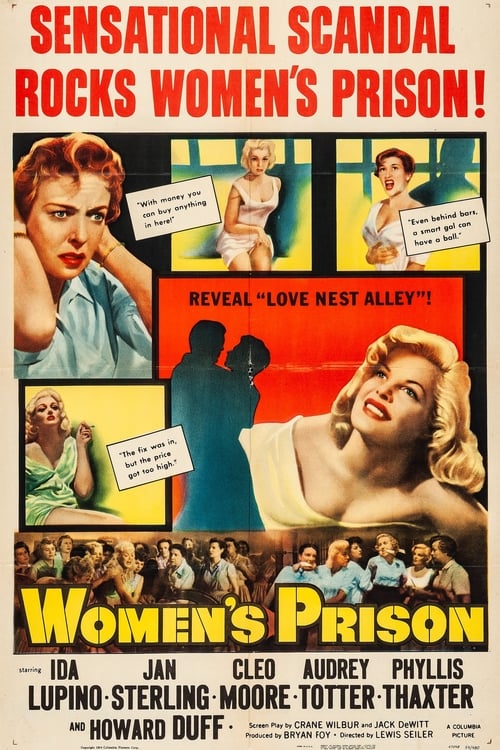
1955

1980
No reviews yet. Be the first to share your thoughts on this movie!
Use the rating form above to leave a star rating and optional review.