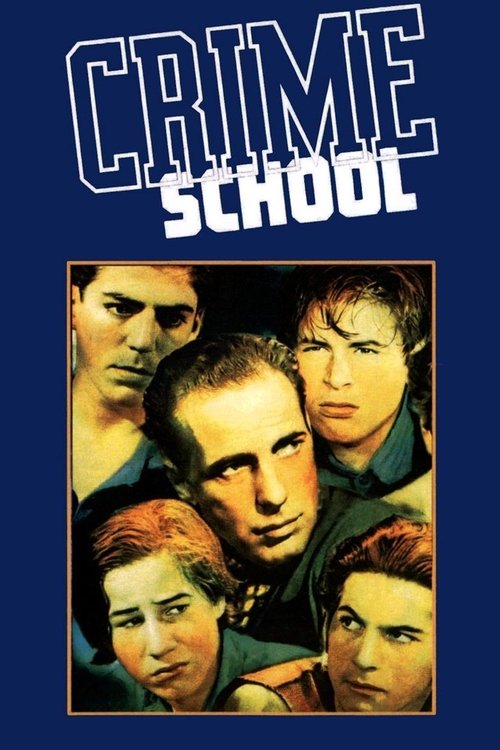
Crime School
1938
No user ratings available yet
Representation score: 1.1 out of 10
Representation Score
Minimal
1939
NRDirector
Lewis Seiler, E.A. Dupont
Runtime
81 minutes
Average Rating
No ratings yetNew Showbiz Analysis
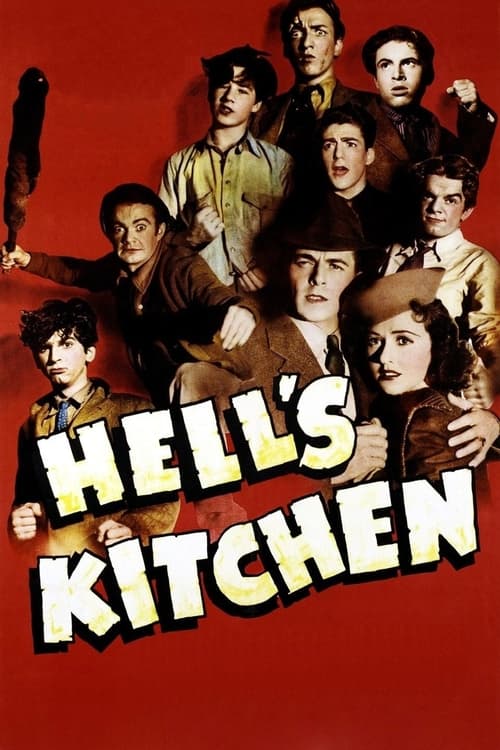
Hell's Kitchen is a traditional 1939 period drama that follows the standard cinematic structures of its time. The plot centers on a paroled convict's struggle against a corrupt warden in a boys' reform school, emphasizing masculine conflict and institutional morality. The film does not explore the overlapping aspects of different identities. Instead, it relies on established formulas of redemption and corruption. Its demographic makeup seems to align with the predominantly white and straight-focused casting standards of the late 1930s studio system. Overall, the work reflects the social norms of its era rather than attempting to challenge them through diverse representation or progressive storytelling.
Category Breakdown
The film does not include any LGBTQ+ characters or stories that go beyond the assumption that everyone is straight and cisgender. It follows the strict rules of the 1939 Hollywood production era.
The story focuses on a male protagonist and a male antagonist in a male-dominated reform school. This emphasis on masculine conflict supports traditional gender roles.
The film likely reflects the casting practices of the late 1930s, which did not include a diverse cast or intentional racial representation.
The story serves as a morality play about personal reform and institutional ethics. It examines systemic corruption without challenging cultural or secular norms.
The film does not feature any characters with visible or invisible disabilities. There are no portrayals of disability in the story.
Present on Screen
Limited or Absent
Official Synopsis
A paroled convict's efforts to improve conditions at a boys' reform school alarm the school's corrupt warden, who has been embezzling funds from the institution. He hatches a plan to derail the reformed convict's efforts and have him sent back to prison, and part of that scheme involves cracking down hard on the reform school's inmates.
1938

1938

1932

1933
1937
1961
1940
1939
No reviews yet. Be the first to share your thoughts on this movie!
Use the rating form above to leave a star rating and optional review.