
Stip & Pensil
2017
No user ratings available yet
Representation score: 3.3 out of 10
Representation Score
Limited
1961
Director
Aleksandr Mitta, Alexey Saltykov
Runtime
83 minutes
Average Rating
No ratings yetNew Showbiz Analysis
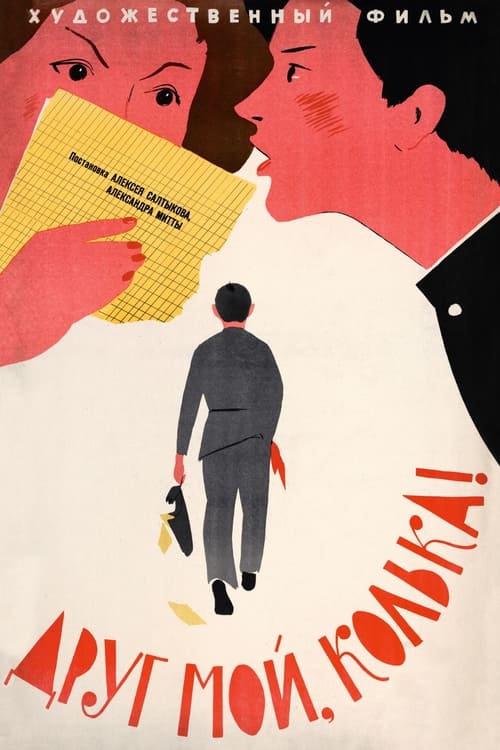
My Friend, Kolka! functions as a traditional social drama rooted in the collectivist ideologies of the early 1960s Soviet era. The film prioritizes communal stability and the development of social responsibility over exploring diverse identities. The narrative focuses on youthful ability to act and peer-led justice, yet these themes are framed within established institutional structures. This emphasis on the 'pioneer leader' suggests an alignment with organized social norms rather than a disruption of them. Ultimately, the film lacks depth in representing multiple aspects of identity, reflecting a localized and culturally specific framework that favors social cohesion over individualistic or subversive identity politics.
Category Breakdown
The film does not include any LGBTQ+ characters or stories that go beyond the assumption that everyone is straight. The plot revolves around traditional peer groups and leadership within a controlled social environment.
The story centers on student societies and leaders who uphold traditional gender roles. It follows the structured social roles and disciplined norms typical of the time period.
The casting seems to reflect a homogeneous Slavic population common in Soviet-era dramas. There is no indication of ethnic diversity or the use of non-human symbols to represent race.
The film examines justice through a 'secret society' that upholds communal morality. This focus aligns with the organized culture of pioneers and collective responsibility rather than challenging authoritarian systems.
There is no clear depiction of physical or neurodivergent disabilities in the available narrative.
Present on Screen
Limited or Absent
Official Synopsis
Pupils of the ordinary high school organize a “secret society” under the motto “Help the offended and weak, avenge widers and upstarts!” The new pioneer leader supports the children, and soon he manages to make the school life of the children truly fascinating.
2017
1964
2016
1933
1976
2007
2003
1955
No reviews yet. Be the first to share your thoughts on this movie!
Use the rating form above to leave a star rating and optional review.