Scrapwood War
2014
No user ratings available yet
Representation score: 3.9 out of 10
Representation Score
Minimal
2011
PG-13Director
Yann Samuell
Runtime
109 minutes
Average Rating
No ratings yetNew Showbiz Analysis
War of the Buttons explores childhood autonomy within a period-specific context, emphasizing the ability to act of youth groups over traditional social structures. While the film offers a nuanced look at how children govern themselves, it lacks significant representation of diverse identities. The narrative is grounded in the demographic realities of 1960s rural France, resulting in a homogeneous cast. This historical accuracy limits the inclusion of LGBTQ+, racial, and disability diversity. The film's strength lies in its subversion of adult authority, presenting a world where children's rules take precedence over adult oversight.
Category Breakdown
The film focuses on the interpersonal conflicts between rival childhood groups set in a mid-century rural environment. There are no indications of non-straight relationships or characters coded as queer.
A mix of male and female characters participate in the conflict, but the social hierarchies mostly follow traditional playground dynamics. The narrative does not explicitly aim to challenge traditional gender roles.
Set in 1960s provincial France, the film portrays a predominantly homogeneous population. The casting reflects the historical demographics of the time without intentionally blending races.
The story disrupts conventional authority by centering on children who operate within their own autonomous justice systems. It presents a complex moral landscape where ritualized play and aggression blend together.
There are no prominent depictions of physical, sensory, or neurodivergent disabilities. Characters with disabilities are not used as central figures or plot drivers.
Present on Screen
Limited or Absent
Official Synopsis
A village in the South of France, 1960. A band of country boys aged 7 to 14, led by fearless young Lebrac, wages an uncompromising battle against their sworn rivals, the kids from the neighboring village. A war of honor and allegiance that's been kept alive for generations, in which humiliation is the most fearsome defeat and no tactic is too extreme, including attacking the enemy stark naked!
2014
1962
1968

1994
2020
1984
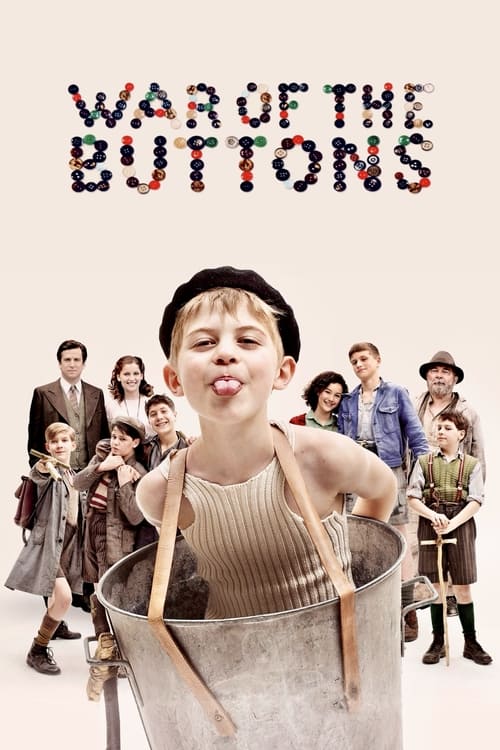
2011
1961
No reviews yet. Be the first to share your thoughts on this movie!
Use the rating form above to leave a star rating and optional review.