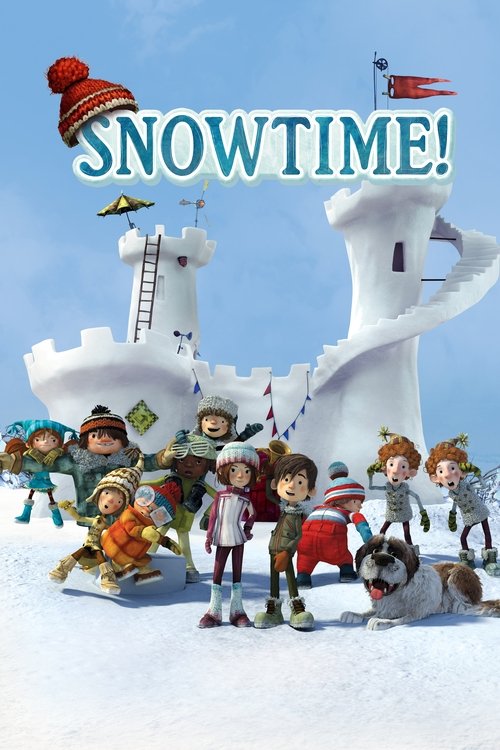
Snowtime!
2015
No user ratings available yet
Representation score: 1.2 out of 10

Representation Score
Fair
1984
GDirector
André Melançon
Runtime
92 minutes
Average Rating
No ratings yetNew Showbiz Analysis
The film offers a moderate level of progressive value by subverting gendered leadership roles within a 1980s family-adventure framework. Sophie’s role as a strategic leader provides a necessary counterpoint to the aggressive, male-led antagonist group. However, the work remains largely traditional in its social structures, lacking explicit LGBTQ+ representation and not using racial or ethnic identity as a central narrative driver. Ultimately, the film's strength lies in its child-led meritocracy, sidelining adult authority to focus on the internal social order of the youth group.
Category Breakdown
The film focuses on childhood social dynamics during a simulated conflict and does not depict non-assuming gender matches what was assigned at birth identities or same-sex intimacy. The narrative maintains a traditional structure that assumes everyone is straight or cisgender.
The story disrupts conventional hierarchies by distributing leadership across genders. Sophie leads the defensive faction, challenging the cliché of male-only leadership.
Set in a small Quebecois town, the film reflects specific regional demographics. While the cast includes diverse names like Minh Vu Duc, the narrative does not center racial or multi-layered identities.
The film explores subjective morality through the lens of play. By prioritizing the children's internal logic over adult supervision, it presents a world where traditional institutional oversight is secondary to youth ability to act.
There are no identifiable characters with visible or invisible disabilities portrayed as central to the narrative. The plot focuses on the tactical snowball war and the children's social competition.
Present on Screen
Limited or Absent
Official Synopsis
As the Christmas holidays begin, a group of 10 war-obsessed kids have a wave of inspiration: What if they spend the next two weeks engaged in a simulated war, armed only with shields, wooden swords, snowballs, and a fierce sense of competition? With a bounty chest waiting for the winners, the two sides gradually grow in size, and the war grows in importance, taking over all aspects of their lives.
2015
1962
2011

1984
2004

1994
1982

1989
No reviews yet. Be the first to share your thoughts on this movie!
Use the rating form above to leave a star rating and optional review.