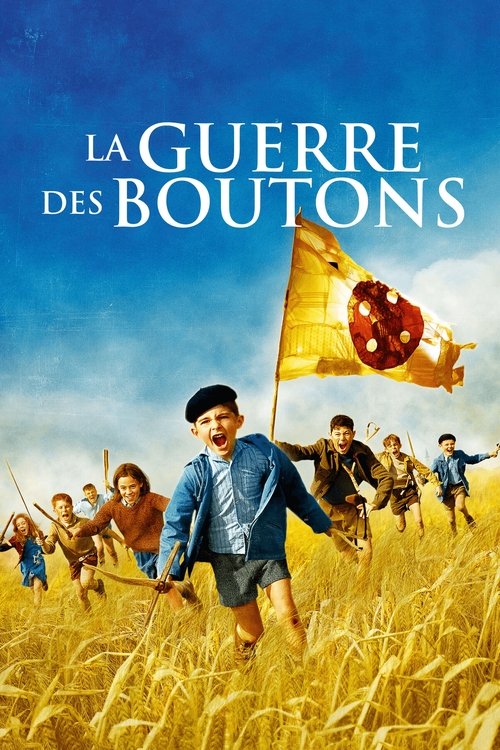
War of the Buttons
2011
No user ratings available yet
Representation score: 1.9 out of 10

Representation Score
Limited
2011
PG-13Director
Christophe Barratier
Runtime
100 minutes
Average Rating
No ratings yetNew Showbiz Analysis
War of the Buttons is a period piece that emphasizes historical demographic accuracy over diverse casting. Its focus on the social structures of 1940s France naturally restricts the range of its representation. Despite the lack of diversity, the narrative gains depth by incorporating ethnic persecution as a central theme. The transition from playground games to the harsh realities of Nazi occupation adds a crucial layer of social commentary. Ultimately, the film's strength lies in its exploration of how political collapse impacts the vulnerable, rather than in the variety of character identities.
Category Breakdown
The film does not include any LGBTQ+ characters or non-cisgender identities. Romantic relationships are shown through typical teenage crushes among boys.
The story focuses mainly on male characters, reflecting the 1940s setting. Female characters are present but play secondary roles in the main conflicts.
The cast is mostly uniform, representing rural, occupied France. A Jewish girl's presence adds important ethnic tension and systemic issues.
The story examines the breakdown of institutions during wartime. It highlights the failure of Western stability and adult authority during the Vichy era.
There are no significant portrayals of visible or invisible disabilities that influence the plot or define key characters.
Present on Screen
Limited or Absent
Official Synopsis
Occupied France; Lebrac leads a play war between two rival kid gangs, but a girl he likes, who's Jewish, is in danger of being discovered by local Nazi sympathisers. Lebrac and the village must now respond to the reality of what's happening.
2011

1994
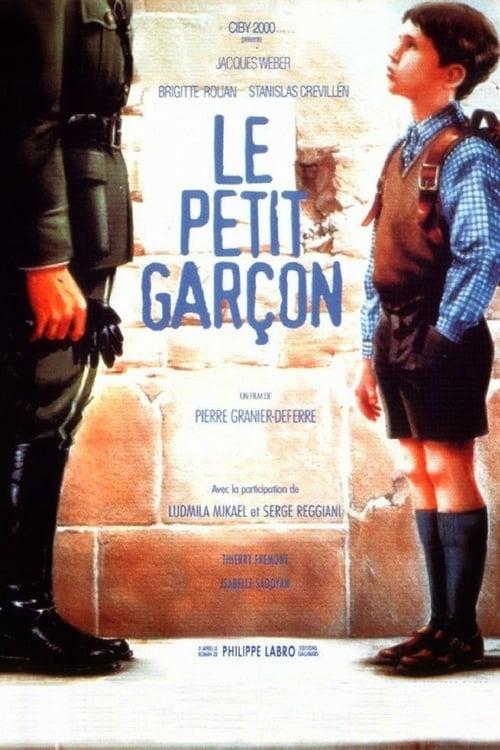
1995

2017
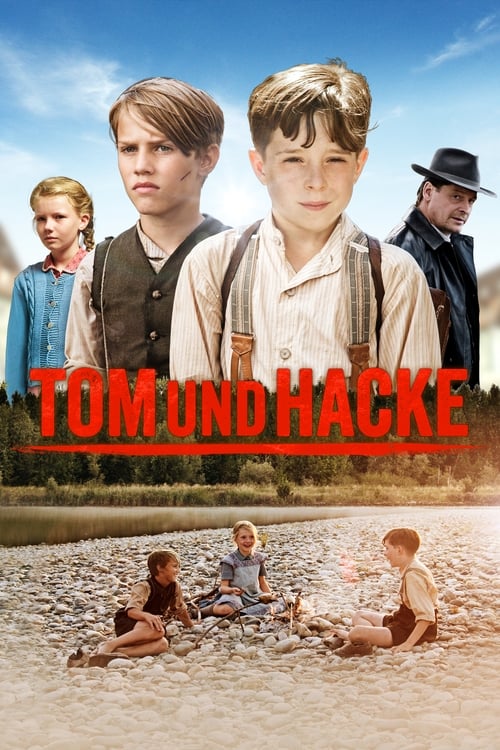
2012
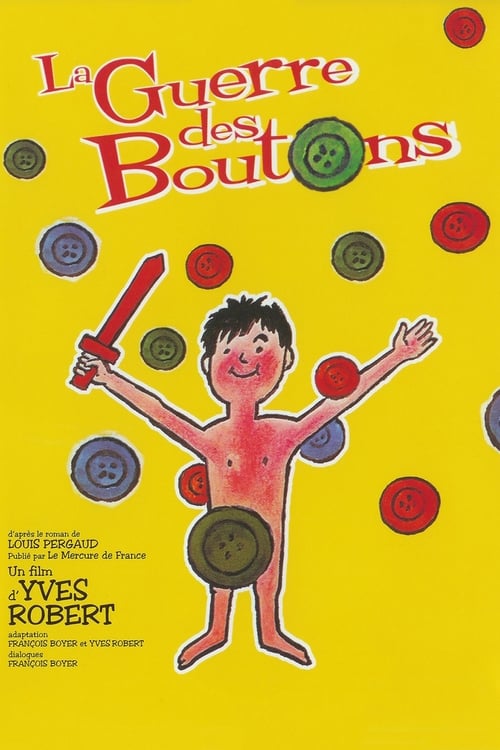
1962
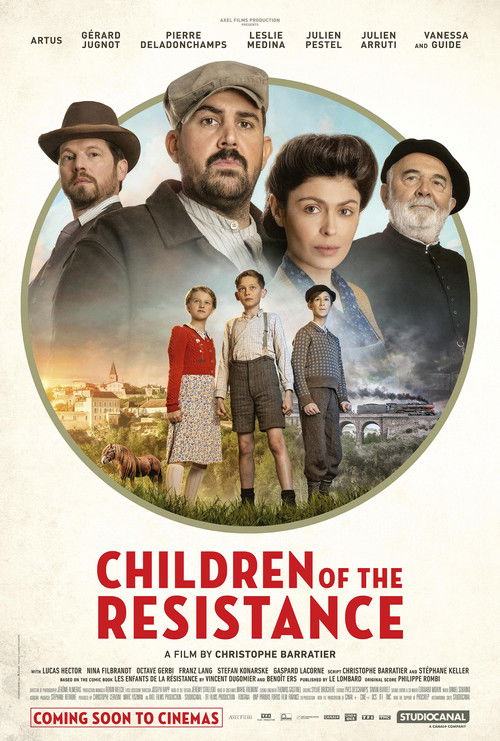
2026
1970
No reviews yet. Be the first to share your thoughts on this movie!
Use the rating form above to leave a star rating and optional review.