
Heartbeeps
1981
No user ratings available yet
Representation score: 5.4 out of 10
Representation Score
Limited
1984
Director
Ladislav Rychman
Runtime
101 minutes
Average Rating
No ratings yetNew Showbiz Analysis
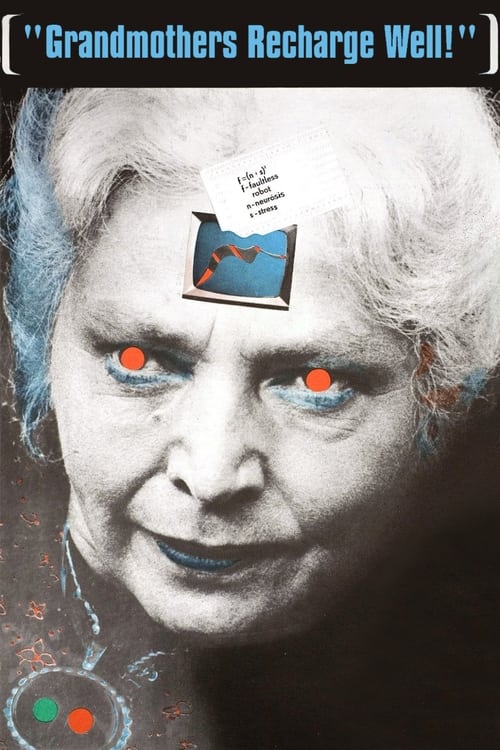
Grandmothers Recharge Well! functions as a genre-driven satire that prioritizes social commentary on consumerism over diverse identity. The film uses a science-fiction premise to explore how technological advancements can disrupt the sanctity of the family unit. While the film successfully deconstructs traditional gendered archetypes by turning the matriarchal figure into a mechanical agent of disruption, it remains within a very traditional demographic framework. The narrative focuses on localized, culturally specific domestic conflicts rather than diverse representation. Ultimately, the film's progressive value lies in its critique of technological encroachment and the absurdity of neighborly rivalry, rather than in the inclusion of underrepresented identities.
Category Breakdown
The film focuses on domestic competition and familial safety. There is no evidence of non-straight relationships or queer themes within the plot.
The narrative challenges traditional gender roles by replacing nurturing grandmothers with aggressive, task-oriented machines. This disrupts the usual expectations of elder femininity through mechanical authority.
The film centers on a homogeneous social structure typical of 1984 Czechoslovakian cinema. There is no indication of racial diversity or a varied cast.
The story critiques consumerism and the corruption of the domestic sphere via technology. It portrays a skeptical view of material progress and its impact on social cohesion.
The robots function as comedic antagonists rather than characters navigating physical or neurodivergent experiences. Disability is not used as a meaningful narrative driver.
Present on Screen
Limited or Absent
Official Synopsis
A family purchases a home robot designed to look like a grandmum. Their neighbours immediately buy a more expensivve model as the two families always try to up the other one. Both grandmums start to "terorize" their families because they were set up to ensure the mums exercise, the kids study etc. Apart from that they start causing problems to the other family ... cut ropes with hanging clothes, pierced tires, etc. Once they get to killing each other family's pets the parents get really worried about the safety of their kids. The grannys later destroy each other while fighting and the families decide that they'll be better off without any robots. (It's some time since I saw this so the details may be off.) Mainly thanks to the design of the robots it's rather a comedy than a horror. Unless you are ten. And a rather good comedy!
1981
1984
1982

1988
1987
1978

1973
1986
No reviews yet. Be the first to share your thoughts on this movie!
Use the rating form above to leave a star rating and optional review.