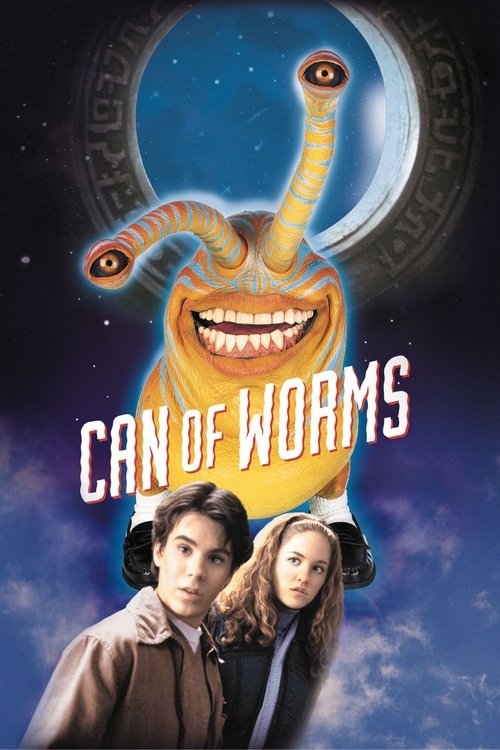
Can of Worms
1999
No user ratings available yet
Representation score: 4.2 out of 10
Representation Score
Limited
1987
TV-GDirector
Steven Hilliard Stern
Runtime
97 minutes
Average Rating
No ratings yetNew Showbiz Analysis
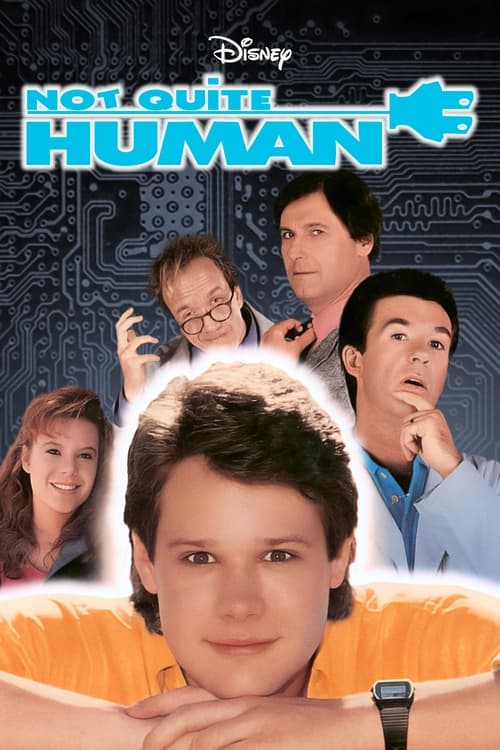
Not Quite Human is a conventional 1980s science-fiction comedy that prioritizes genre clichés over social commentary. The narrative uses an android to explore the concept of social integration, but it frames this through a lens of conformity. The goal is for the protagonist to mimic human norms rather than challenge societal structures. The production lacks intentionality regarding the disruption of social hierarchies. Instead, it reinforces the status quo of its era through a homogeneous cast and traditional character archetypes. Ultimately, the film functions as a standard morality tale about scientific innovation and property, lacking diverse representation or multi-layered depth.
Category Breakdown
There are no visible LGBTQ+ characters or explorations of non-straight relationships in the film. It operates within a framework that assumes everyone is straight or cisgender.
The film reinforces traditional gender roles, focusing on male-driven scientific invention and technological curiosity. Female characters play supporting roles without significant control over their own destinies.
The film depicts a largely homogeneous suburban environment with minimal racial or ethnic diversity. It portrays a conventional, predominantly white depiction of American middle-class life.
The story adheres to traditional Western values regarding scientific progress and family stability. It lacks any anti-Western sentiment or deconstruction of Western institutions.
The android protagonist serves as a science-fiction cliché for 'otherness' rather than a nuanced exploration of disability. The film fails to provide meaningful ability to act to characters with actual disabilities.
Present on Screen
Limited or Absent
Official Synopsis
Dr. Jonas Carson, a scientist, invents Chip, an android teenager. Dr. Carson sends Chip to school with his daughter Becky to see whether an android could interact with others. But his former employer decides to try and make a profit by stealing the mechanical boy.
1999
1985
1996
1988
1989
1986

1985
1992
No reviews yet. Be the first to share your thoughts on this movie!
Use the rating form above to leave a star rating and optional review.