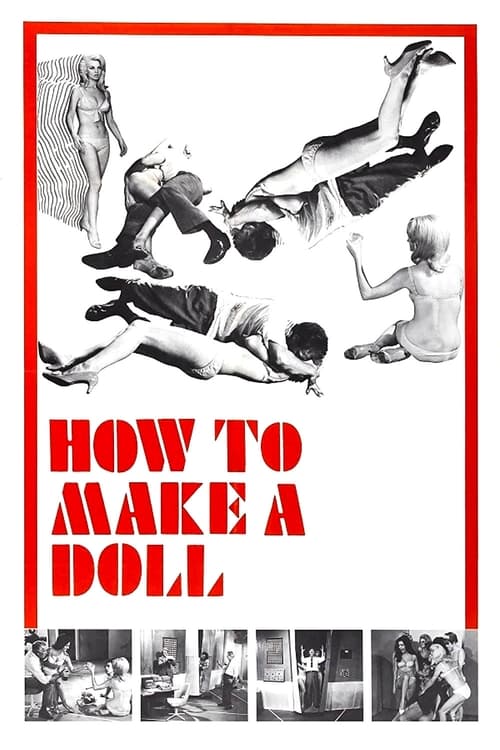
How to Make a Doll
1968
No user ratings available yet
Representation score: 0.9 out of 10
Representation Score
Good
1973
Director
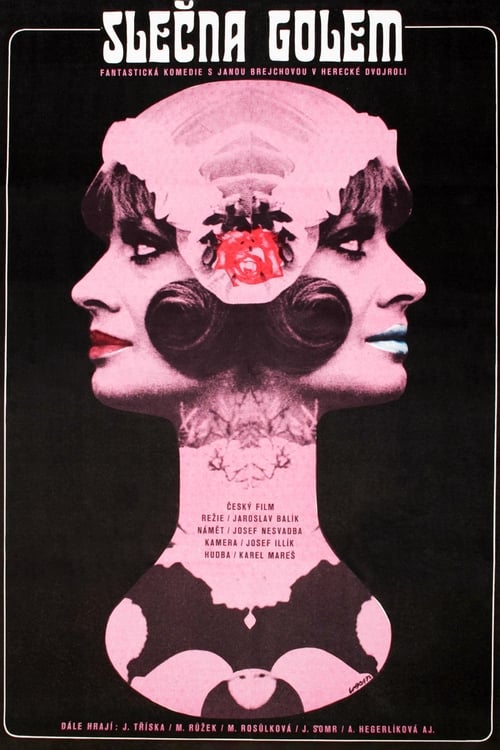
Jaroslav Balík
Runtime
96 minutes
Average Rating
No ratings yetNew Showbiz Analysis
Miss Golem is a progressive science fiction comedy that challenges traditional gender roles and domestic expectations. By focusing on an independent woman resisting commodification, the film delves into the theme of autonomy. However, it is limited by its period-specific homogeneity, lacking racial diversity and explicit LGBTQ+ representation. The film's strength lies in its intellectual critique of patriarchal structures, using science fiction to explore themes of 'otherness.'
Category Breakdown
The film explores the relationship between Věra and Petr, suggesting a deconstruction of traditional identity through the concept of doubles, though it does not explicitly identify them as LGBTQ+.
Věra is portrayed as an independent woman who resists patriarchal constraints. The narrative emphasizes her active role and challenges traditional submissive femininity.
Set in a 1920s European context, the film reflects the homogeneous casting typical of its time. It focuses on class and gender issues rather than ethnic diversity.
The story critiques patriarchal capitalism and traditional institutions, favoring a secular, scientific worldview centered around the laboratory over religious moral frameworks.
The film does not depict explicit physical or neurodivergent disabilities. Instead, it uses the artificial Miss Golem as a metaphor for the 'othered' body.
Present on Screen
Limited or Absent
Official Synopsis
It is the 1920's. The good-looking hostess Věra demonstrates household robots to visitors of the Futurum exhibition. Young inventor Petr comes to her rescue when she tries to flee from two men wanting to take her away. Věra confesses that she has fled from home because her father, a factory owner, wanted to profitably marry her off. Petr is fascinated by the emancipated woman and shows her round his laboratory, where he plans to create a robot of his own - but one that would be far more advanced. Věra cuts herself on a broken test-tube and a drop of her blood gets in the solution. In the morning, they are taken aback to see Věra's double. This lucky chance has helped Petr create an artificial being, Miss Golem. She has a single motive for her actions: to take care of Věra and allow her to do only what is good for her.
1968

2021

1977
1977
1996
2022
1984
2010
No reviews yet. Be the first to share your thoughts on this movie!
Use the rating form above to leave a star rating and optional review.