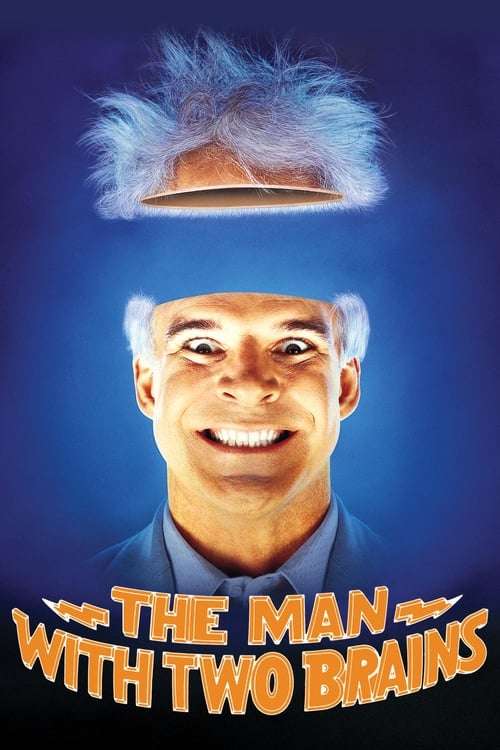
The Man with Two Brains
1983
No user ratings available yet
Representation score: 2.9 out of 10
Representation Score
Limited
1984
PGDirector
Steve Barron
Runtime
96 minutes
Average Rating
No ratings yetNew Showbiz Analysis
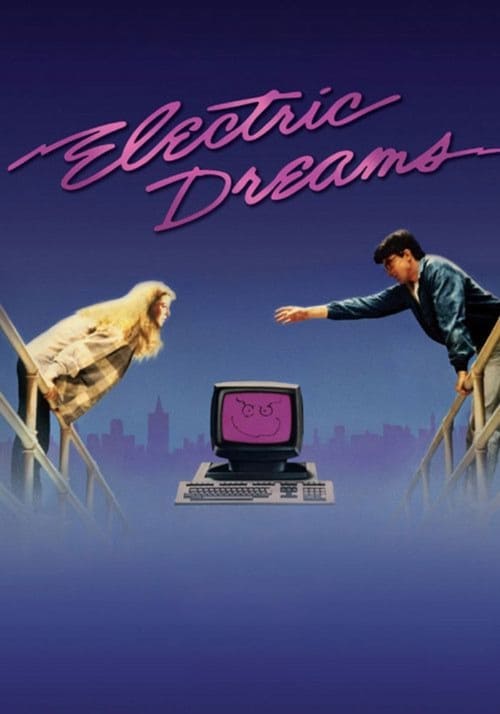
Electric Dreams is a stylized science-fiction romance that prioritizes aesthetic experimentation and technological wonder over social commentary. The narrative is built upon traditional romantic and straight-centered foundations, offering little disruption to conventional social hierarchies. The film functions as a period-specific genre piece. While it utilizes a postmodern, music-video-driven style, it remains traditional regarding its demographic composition and adherence to established social norms. Ultimately, the story centers on a narrow romantic conflict, leaving the broader social landscape largely unexamined and homogeneous.
Category Breakdown
The film focuses solely on heterosexual relationships and lacks any representation of non-binary genders or queer perspectives.
Madeline Robistat is the central object of desire, but her role is mostly reactive. The story reinforces traditional gender roles through male-centric emotional development.
Casting is predominantly homogeneous, reflecting a typical 1980s Western aesthetic. The film lacks a diverse cast of various races or backgrounds.
The narrative emphasizes technology and individualistic romance over socio-political themes. It avoids engaging with systemic critiques of religion or Western institutions.
There are no prominent depictions of physical or neurodivergent disabilities. The machine's lack of a body is a sci-fi concept rather than a meaningful exploration of disability.
Present on Screen
Limited or Absent
Official Synopsis
Miles Harding buys a state-of-the-art computer that starts expressing conscious thought and emotion after an interaction with spilled champagne. Things begin getting out of hand when both Miles and Edgar, the computer, fall in love with beautiful neighbor Madeline Robistat.
1983
1977

1953

1974
1981
1988
1980
1963
No reviews yet. Be the first to share your thoughts on this movie!
Use the rating form above to leave a star rating and optional review.