Young Love
1933
No user ratings available yet
Representation score: 2.3 out of 10
Representation Score
Limited
1938
Director
Václav Binovec
Runtime
102 minutes
Average Rating
No ratings yetNew Showbiz Analysis
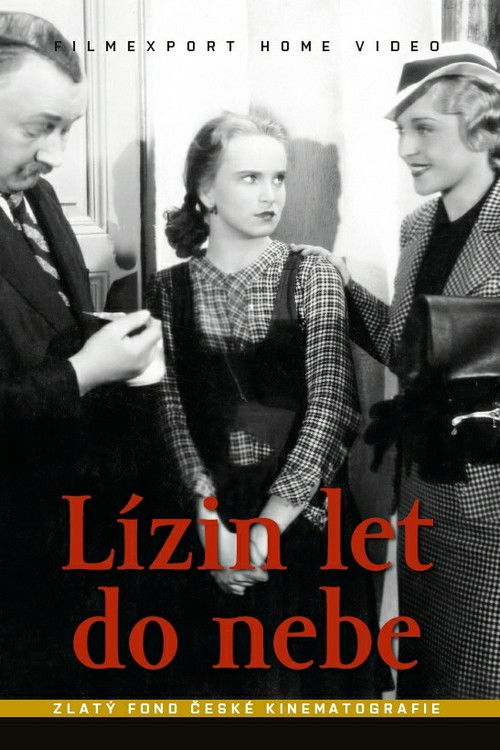
Líza Soars to the Skies is a period drama centered on a female orphan's journey toward social respectability. While the film provides a female lead, the narrative remains tied to the conventional social hierarchies of 1938. The film lacks multi-layered complexity, focusing instead on a homogeneous village setting and traditional institutional roles. The protagonist's advancement is facilitated by a male guardian, limiting the depth of her independence. Ultimately, the work functions as a standard historical narrative that reinforces rather than challenges the social norms of its era.
Category Breakdown
The film does not depict any non-straight relationships or same-sex intimacy. It follows a traditional dramatic structure typical of 1930s European cinema.
Líza serves as a central female protagonist who plays a significant role in driving her own educational journey. However, her progress relies heavily on a paternalistic guardian, reinforcing traditional social hierarchies.
Set in a local Czech village, the film reflects a homogeneous cast. There is no evidence of racial blending or subversion of Eurocentric casting norms.
The story engages with traditional institutions like the poorhouse and formal schooling. It emphasizes social mobility through institutional participation rather than critiquing these structures.
The protagonist's status as an orphan creates a sense of social vulnerability. This poverty functions more as a dramatic device than a nuanced study of systemic exclusion.
Present on Screen
Limited or Absent
Official Synopsis
The orphan Eliška Irovská, nicknamed Líza, arrives in her native village of Ptačice. As an orphan she is housed in the local poorhouse and has to go out begging. Her guardian Petr Tumlíř, however, sees that she is competent enough to go to school.
1933
1946
1938
1927

1937
1996

1938

1937
No reviews yet. Be the first to share your thoughts on this movie!
Use the rating form above to leave a star rating and optional review.