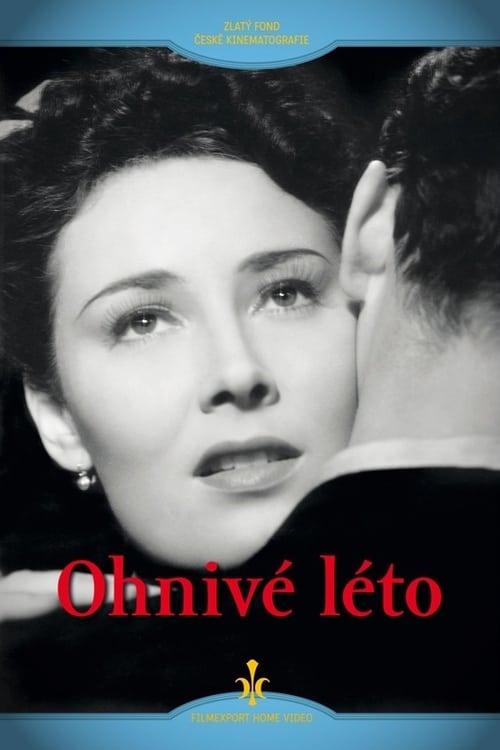
Fiery Summer
1939
No user ratings available yet
Representation score: 2.0 out of 10
Representation Score
Limited
1933
Director
Josef Rovenský
Runtime
75 minutes
Average Rating
No ratings yetNew Showbiz Analysis
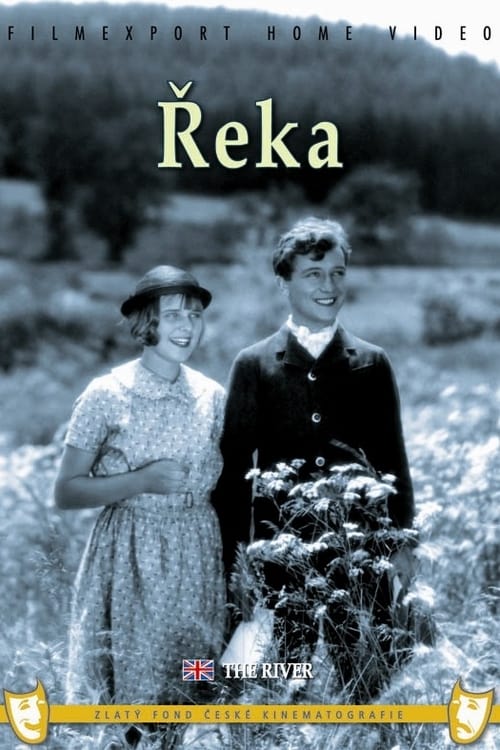
Young Love functions as a traditional period piece that prioritizes classic romantic themes. The narrative structure reinforces established social hierarchies and conventional expectations of gender and community. The film lacks complexity or systemic critique. It focuses on localized, humanistic storytelling through rural archetypes rather than disrupting social norms or exploring diverse identities. Ultimately, the work reflects the homogeneous social landscape of its era, emphasizing stability and traditional character roles over progressive representation.
Category Breakdown
The film follows traditional storytelling conventions focused on a boy-girl relationship without any representation of non-straight or non-cisgender identities.
Characters are described using traditional gender roles. The male lead is portrayed as strong, while the female lead is shown as gentle, reinforcing conventional gender stereotypes.
The film reflects a homogeneous ethnic cast typical of 1933 Czechoslovakia. There is no indication of diverse racial representation or ethnic blending in the rural setting.
The narrative highlights the stability and traditional values of village life. It emphasizes pastoral romance and social cohesion without challenging institutional or cultural norms.
There is no mention of characters with visible or invisible disabilities. Therefore, there is no representation of disability in the film.
Present on Screen
Limited or Absent
Official Synopsis
The story of love, between a sturdy village boy and a gentle country girl, filmed with a movingly genuine charm.
1939
1938
1929

1930

1956
1927
1935
1931
No reviews yet. Be the first to share your thoughts on this movie!
Use the rating form above to leave a star rating and optional review.