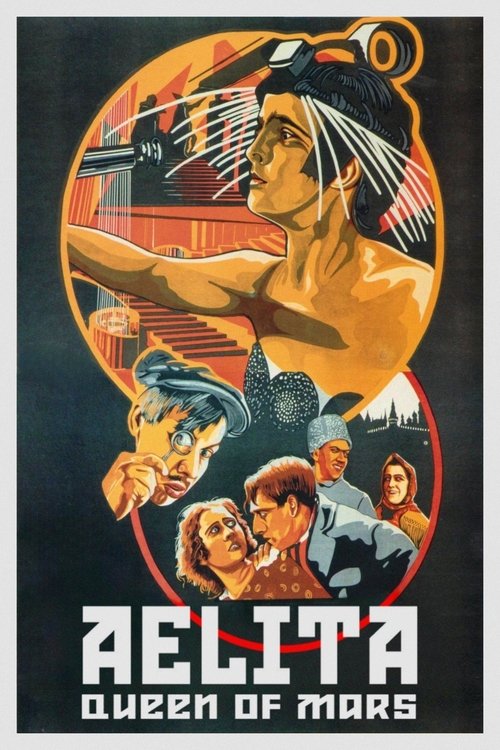
Aelita: Queen of Mars
1924
No user ratings available yet
Representation score: 4.4 out of 10
Representation Score
Limited
1918
Director
Holger-Madsen
Runtime
81 minutes
Average Rating
No ratings yetNew Showbiz Analysis
A Trip to Mars is a philosophical speculative work that emphasizes cosmic inquiry over social identity. It lacks modern markers of diversity, particularly regarding race and sexuality, which contributes to a lower diversity score. However, the film achieves merit through its critique of terrestrial norms. By presenting a Martian civilization that has surpassed human instincts and violence, it offers an early critique of contemporary human social structures. Ultimately, the film serves more as a study of evolutionary progress than a commentary on human diversity, using its extraterrestrial setting to challenge the limitations of Earthly civilization.
Category Breakdown
The film focuses on a traditional romantic relationship between Avanti Planetaros and Marya. There are no characters with non-cisgender identities or critiques of heteronormativity in the story.
Despite the male-dominated leadership of the expedition, Marya plays a significant role in bridging worlds. Dr. Krafft provides a scientific perspective that counters traditional patriarchal command.
The production lacks visible racial or ethnic diversity. The crew consists of a homogeneous group of men, and the Martian inhabitants are shown as idealized non-human beings.
The film depicts a Martian utopia free from human vices like violence and sorrow, critiquing Earth's institutions as backward.
There are no identifiable depictions of physical or neurodivergent disabilities within the characters or the plot.
Present on Screen
Limited or Absent
Official Synopsis
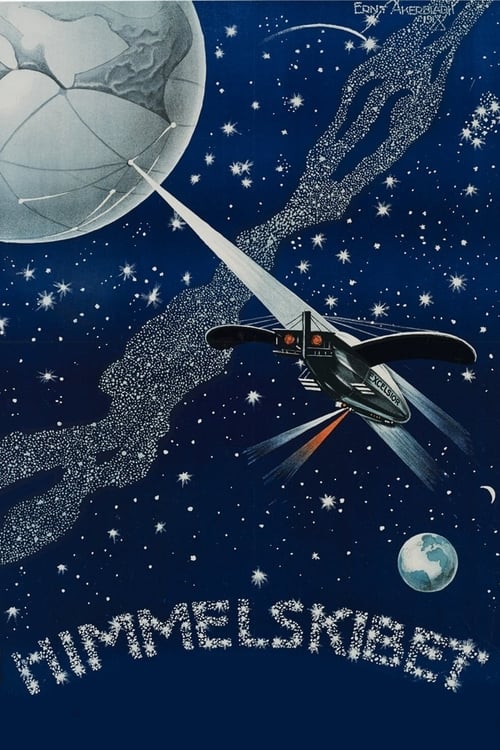
The navy captain Avanti Planetaros is inspired by his astronomer-father to travel through outer space to reach other worlds. He becomes an aviator and, along with the young scientist Dr. Krafft, the driving force behind the construction of a space-ship. Despite oppostion from the mocking Professor Dubius, Planetaros gathers a crew of fearless men and takes off. During the long voyage, the crew becomes restless; a mutiny is narrowly avoided. Finally, they reach Mars and discover that the planet is inhabited by people who have reached a higher stage of development, free of diseases, sorrow, violence, sexual urges, and the fear of death. Avanti falls in love with Marya, daughter of the Prince of Wisdom, the head of the Martians. Marya shares his feelings and decides to return with him in order to bring the wisdom of the Martians to the backward Earthlings. (stumfilm.dk)
1924

1929

1967
1902
1924
1913
1909
1913
No reviews yet. Be the first to share your thoughts on this movie!
Use the rating form above to leave a star rating and optional review.