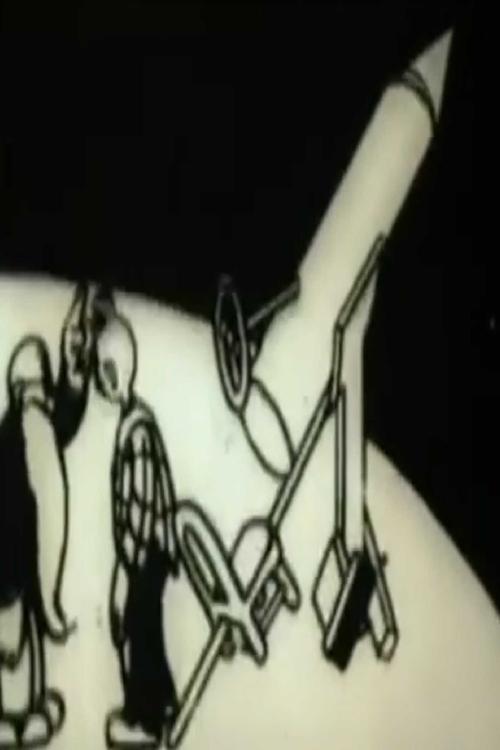
A Trip to the Moon
1917
No user ratings available yet
Representation score: 1.1 out of 10
No Poster Available
Representation Score
Minimal
1924
Director
Dave Fleischer
Runtime
7 minutes
Average Rating
No ratings yetNew Showbiz Analysis
Dave Fleischer’s 1924 short is a foundational work of surrealist animation that prioritizes whimsical chaos over social complexity. While the 'rubber hose' style disrupts physical reality, the narrative remains tied to traditional storytelling constraints of its era. The film excels at using a science fiction setting to explore the concept of the 'other' through bizarre creatures. However, this exploration lacks the intentionality needed to engage with modern multi-layered frameworks. Ultimately, the work serves as a comedic escapist piece. It lacks the narrative depth to address gender, race, or identity in a meaningful or diverse way.
Category Breakdown
The film does not include any LGBTQ+ identities. It focuses solely on the interactions between Max and Ko-Ko.
The adventure is centered around male-driven clichés. There are no female characters or subversions of traditional gender roles.
The science fiction setting introduces strange creatures as metaphors for 'others.' However, these depictions often rely on caricatures typical of the 1920s.
The film uses an absurdist, extraterrestrial setting to deconstruct Earth-bound logic. It functions primarily as a comedic escape rather than a social critique.
There is no documented evidence regarding the portrayal of physical or neurodivergent disabilities in this short.
Present on Screen
Limited or Absent
Official Synopsis
Max sends Ko-Ko on a rocket toward the moon, but Ko-Ko crash lands on Mars, where he encounters bizarre creatures and contraptions. Meanwhile, Max himself is blasted into outer space.
1917
1929
1930
1955
2002
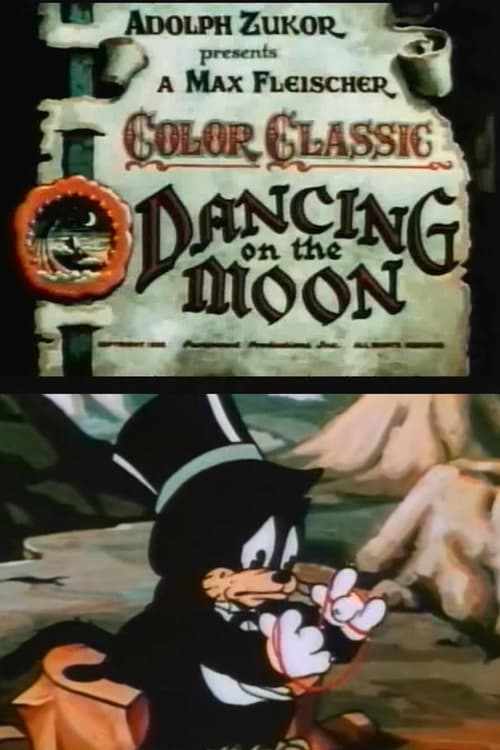
1935
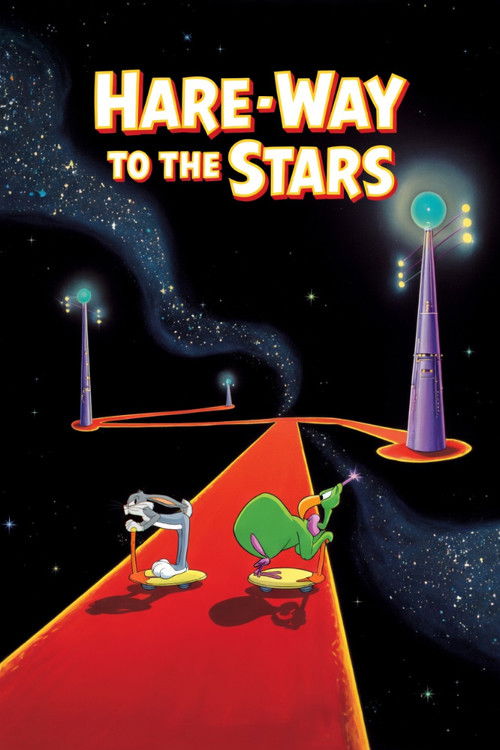
1958
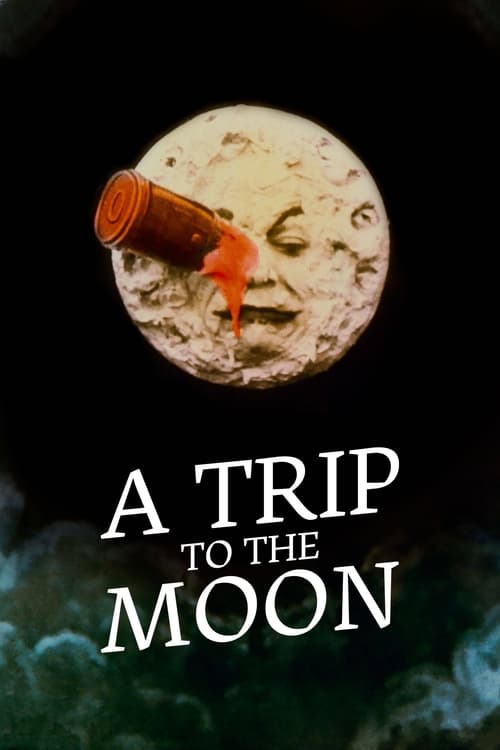
1902
No reviews yet. Be the first to share your thoughts on this movie!
Use the rating form above to leave a star rating and optional review.