A Trip to the Moon
1902
No user ratings available yet
Representation score: 0.6 out of 10
Representation Score
Minimal
1913
Director
Marcel Perez, Luigi Maggi
Runtime
77 minutes
Average Rating
No ratings yetNew Showbiz Analysis
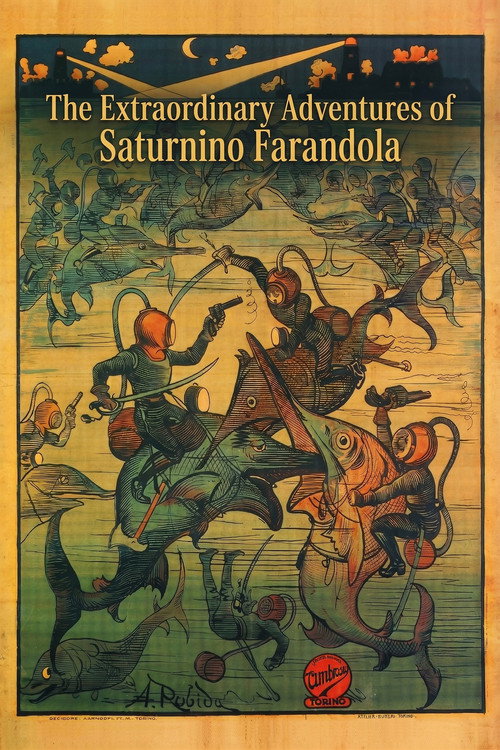
This silent era adventure film operates as a traditional epic, emphasizing escapism and the hero's journey. While it incorporates science fiction and diverse settings, it remains grounded in the social structures of 1913. The film includes diverse cultural elements, such as the presence of a mandarin and Apaches, but these seem to serve as exotic backdrops rather than nuanced representations. The narrative structure reinforces conventional gender roles and colonial-era perspectives. Overall, the film lacks the layered complexity or intentional disruption of social norms found in more contemporary cinema, sticking to the established storytelling conventions of its time.
Category Breakdown
The film does not include any representation of non-straight or non-cisgender identities. The main relationship focuses on the traditional romance between Saturnino and Mysora.
The male protagonist, a captain and explorer, holds most of the power and influence in the story. Mysora, the female character, is mainly defined by her beauty and role as a love interest.
The story extends beyond Western Europe by featuring Apaches and a mandarin. However, these depictions probably reflect the exoticism and colonial views of 1913.
The narrative aligns with early 20th-century maritime traditions and colonial exploration. It emphasizes a classic hero's journey without offering critical views or cultural subversion.
There is no mention or depiction of visible or invisible disabilities among the characters.
Present on Screen
Limited or Absent
Official Synopsis
Saturnino Farandola: Raised by monkeys, taken in by sailors, captain of a frigate. He sets off to chart unknown worlds with his loyal crew. Beneath the sea he encounters love in the person of Mysora the beautiful. On land he comes up against a mad wise man, a Machiavellian mandarin and bloodthirsty Apaches, but nothing will be able to stop his desire to explore.
1902
1933
1934

1949
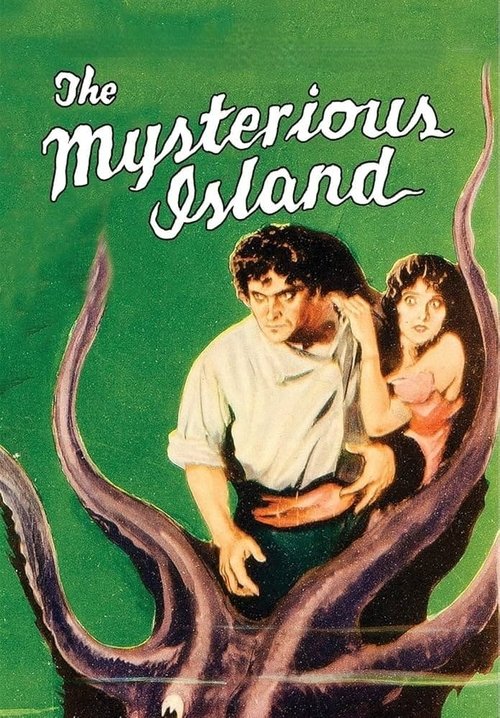
1929
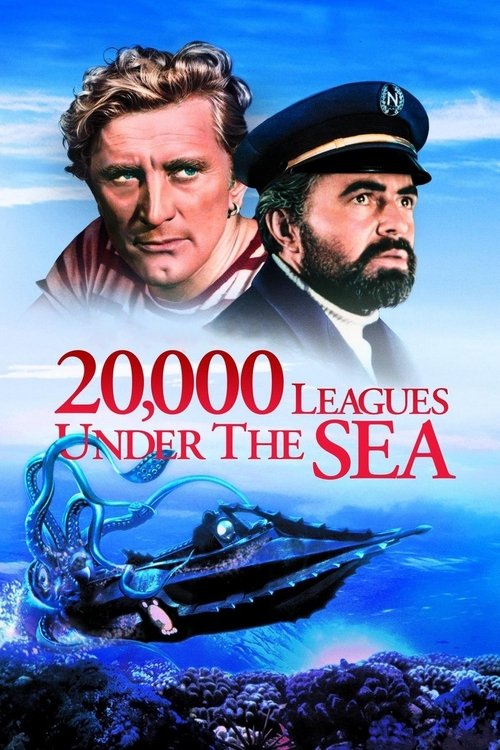
1954
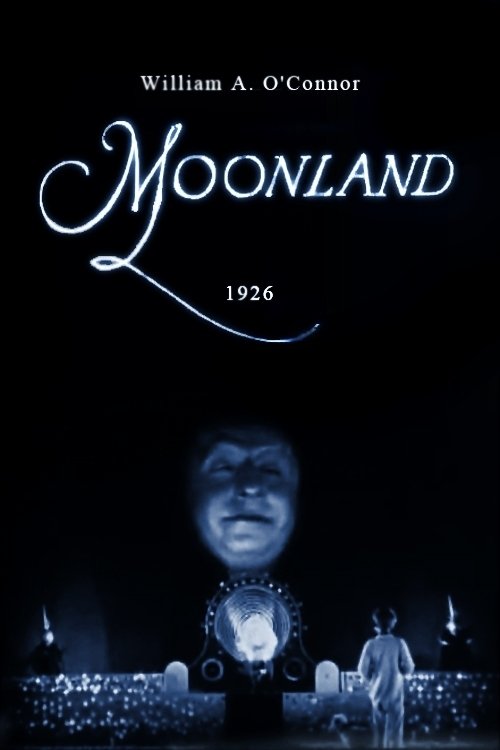
1926
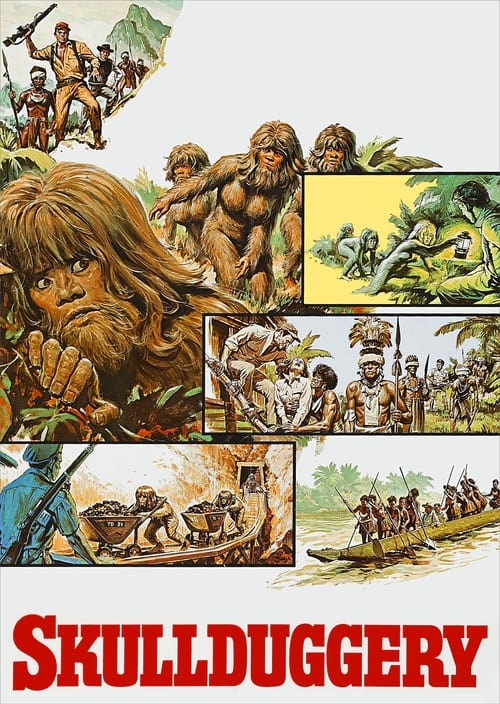
1970
No reviews yet. Be the first to share your thoughts on this movie!
Use the rating form above to leave a star rating and optional review.