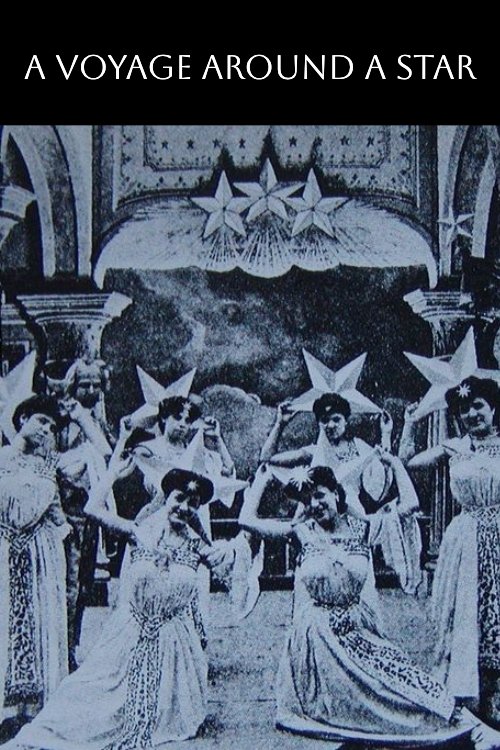
Voyage autour d’une étoile
1906
No user ratings available yet
Representation score: 1.5 out of 10
Representation Score
Minimal
1909
Director
Segundo de Chomón
Runtime
8 minutes
Average Rating
No ratings yetNew Showbiz Analysis
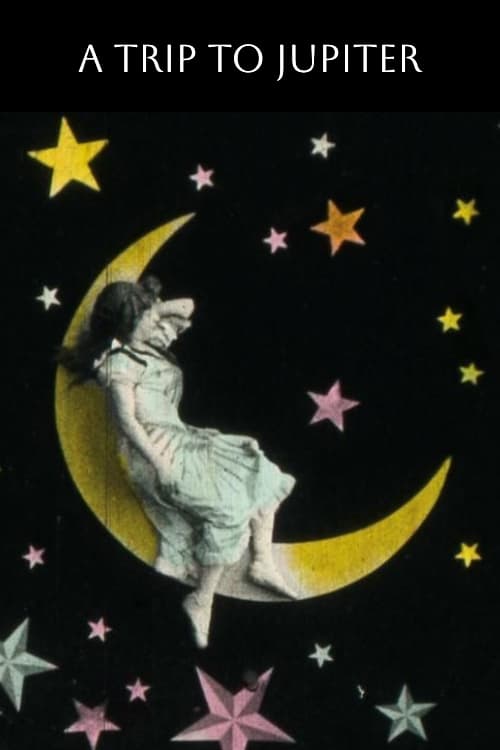
A Trip to Jupiter is a landmark of early cinematic special effects, prioritizing technical innovation over social exploration. The narrative focuses on the wonders of space through the eyes of a monarch and his astronomer, leaving little room for diverse perspectives. The film reinforces the historical norms of its era by centering on established Western hierarchies of power and discovery. Because the primary objective is the demonstration of trick photography, the work lacks engagement with underrepresented identities or the subversion of social norms.
Category Breakdown
The film contains no documented LGBTQ+ characters or narratives. There is no evidence of queer subtext or identity-based storytelling within this early visual spectacle.
The story centers on a male-dominated hierarchy featuring a King and an astronomer. It adheres to traditional gender structures, focusing on male intellectual and political ability to act.
The cast appears homogeneous, reflecting the demographic patterns of early 20th-century European cinema. There is no evidence of racial blending or non-white protagonists.
The narrative operates within a traditional Western framework of monarchical authority and scientific discovery. It does not challenge established social or institutional hierarchies.
No visible or invisible disabilities are portrayed. Characters are presented as able-bodied participants in the royal and scientific proceedings.
Present on Screen
Limited or Absent
Official Synopsis
The King and his official astronomer are alone in the study viewing the heavenly bodies through the monstrous telescope. They go out on the balcony and the gay old ruler is much absorbed in the phenomenon, and spends some time in studying the stars and planets. The evening has been well spent with the many mysteries which have made such a deep impression upon the King's mind that they are still with him in his dreams. (Moving Picture World synopsis)
1906
1908

1904
1921
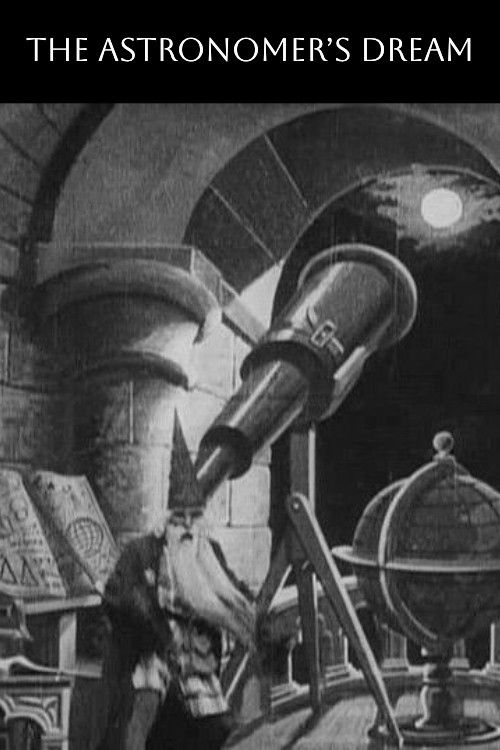
1900
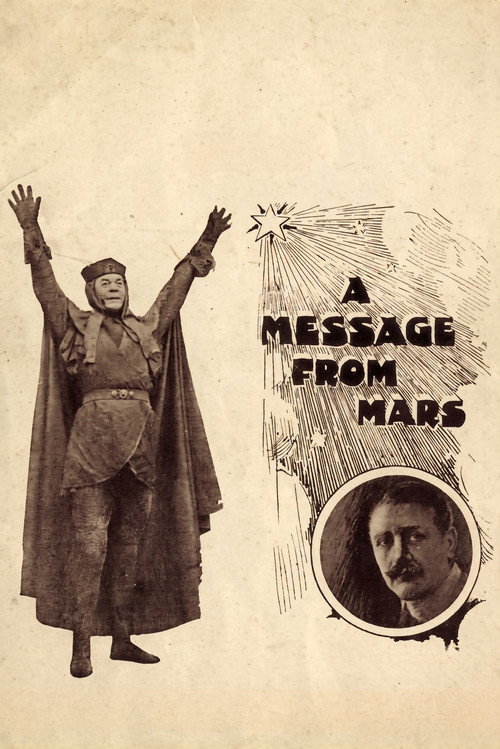
1913
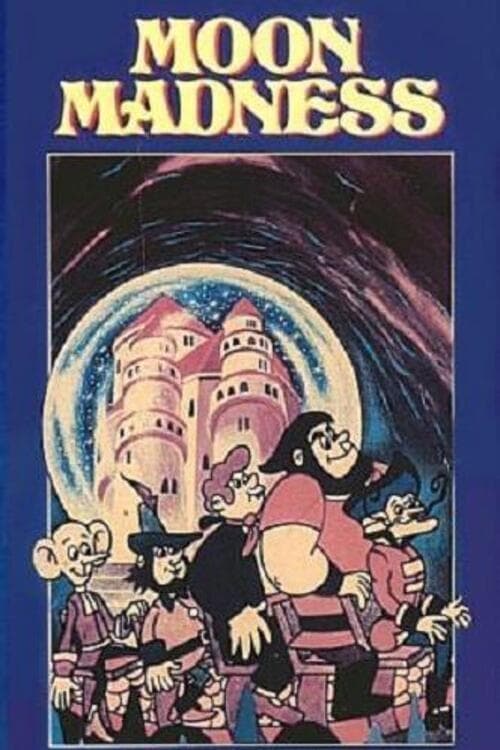
1984
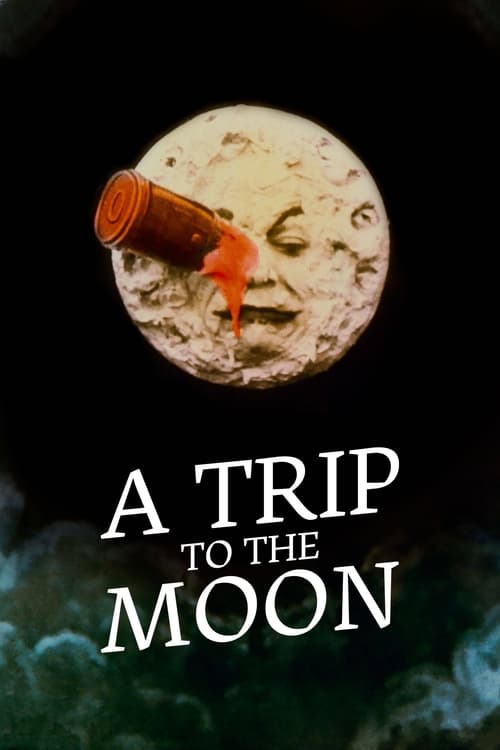
1902
No reviews yet. Be the first to share your thoughts on this movie!
Use the rating form above to leave a star rating and optional review.