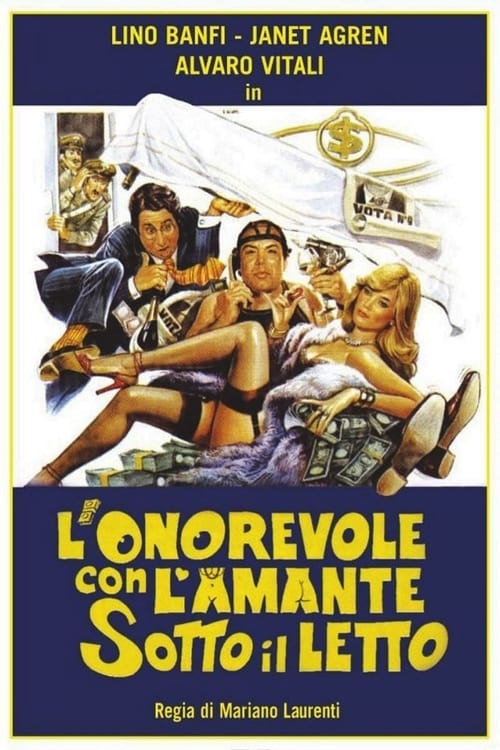
The Honorable with His Lover under the Bed
1981
No user ratings available yet
Diversity score: 2.9 out of 10
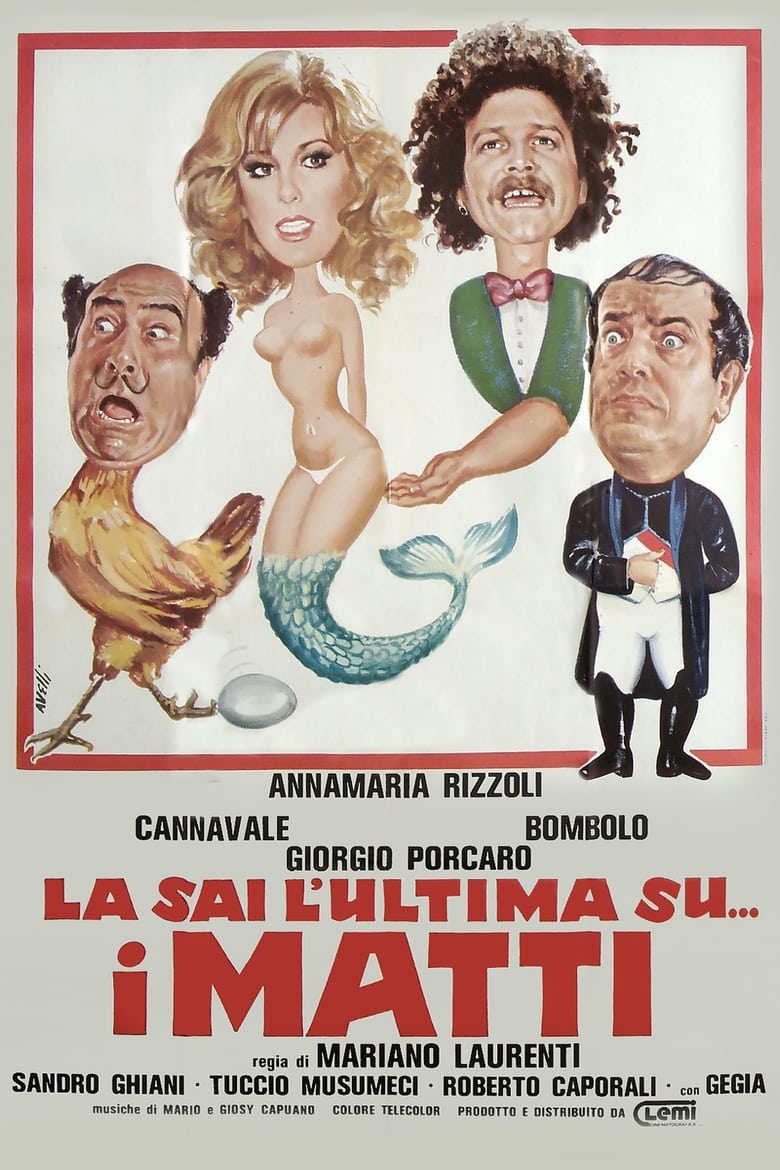
1982
Director
Mariano Laurenti
Runtime
83 minutes
Average Rating
No ratings yetSynopsis
Jokes, rough jokes and spicy adventures set in a psychiatric clinic, naturally managed by an experienced doctor.
Overall Score
Limited
Category Breakdown
LGBTQ+ Representation
The film lacks evidence of queer identities or narratives that critique heteronormativity. It appears to rely on the traditional social structures common to 1982 Italian comedy.
Gender Representation
Authority in the clinic setting likely rests with traditional masculine archetypes. Female characters appear to occupy peripheral or stereotypical positions within the established hierarchy.
Racial & Ethnic Diversity
The cast likely reflects a homogeneous demographic consistent with the era's domestic landscape. There is no indication of diverse ethnic blending or race-bent casting.
Religious & Cultural Diversity
The narrative prioritizes established social norms rather than critiquing them. The clinic setting focuses on maintaining social order through institutional frameworks.
Disability Representation
Mental illness is likely used as a comedic device or plot catalyst. The film relies on 'madcap' tropes that may marginalize neurodivergent subjects.
Strengths
Areas for Improvement
AI Analysis
This 1982 comedy operates within the conventional constraints of the *commedia all'italiana* tradition. It prioritizes broad social archetypes and slapstick humor over any intentional subversion of systemic power or identity politics. The film's reliance on institutional settings and traditional hierarchies suggests a lack of intersectional depth. It functions as a product of its era, reflecting the demographic and social norms of early 1980s Italy without challenging them. Ultimately, the work lacks the narrative architecture required to provide nuanced representation. It leans heavily on established tropes that often reinforce existing social structures rather than disrupting them.
1981
1982
1985
1973
1968
1995
2008
1958
2011
1967
1998
1982
No reviews yet. Be the first to share your thoughts on this movie!
Use the rating form above to leave a star rating and optional review.