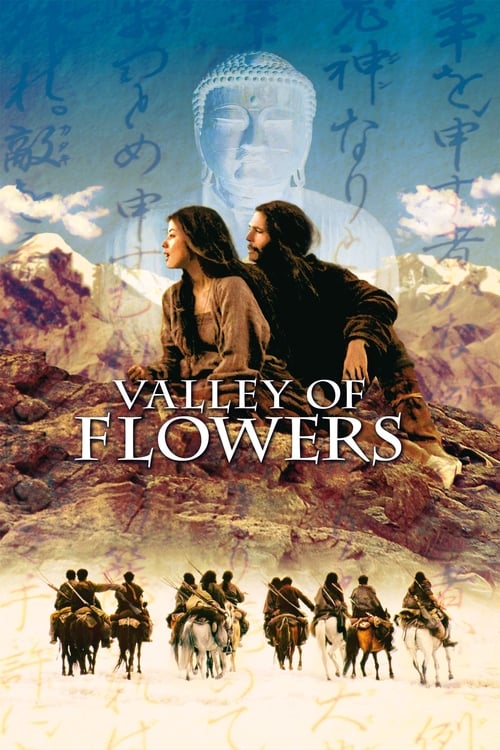
Valley of Flowers
2006
No user ratings available yet
Representation score: 5.8 out of 10

Representation Score
Fair
2002
RDirector
Pan Nalin
Runtime
138 minutes
Average Rating
No ratings yetNew Showbiz Analysis
Samsara is a philosophically driven drama that excels in its cultural and ethnic authenticity. By grounding the story in the Himalayan landscape, Pan Nalin avoids Western-centric clichés and provides a deeply immersive spiritual experience. The film's strength lies in its interrogation of institutionalized belief versus personal ability to act. It uses the protagonist's struggle to challenge the perceived infallibility of religious structures, offering a sophisticated look at moral relativism. However, the film's focus on monastic asceticism and patriarchal structures leaves questions regarding broader representation. While it challenges traditional expectations of desire, it lacks explicit depictions of diverse sexual identities or disability representation.
Category Breakdown
The film explores the tension between monastic vows and romantic longing. While it challenges traditional sexual asceticism, there is no explicit evidence of non-straight relationships or gender identities that don't match assigned birth roles.
The story critiques patriarchal religious hierarchies through a protagonist struggling against rigid institutional roles. It highlights the conflict between prescribed clergy duties and personal emotional needs.
The narrative achieves high authenticity by centering a Himalayan cast and setting. This approach successfully disrupts Western-centric storytelling frameworks by prioritizing local cultural landscapes.
The film offers a nuanced view of spirituality by framing religious devotion as a source of internal conflict. It prioritizes subjective human experience over absolute dogma.
There is no discernible evidence regarding the portrayal of physical or neurodivergent disabilities within the narrative.
Present on Screen
Limited or Absent
Official Synopsis
A love story situated in the Himalayas. A Buddhist monk can't choose between life and the way of the Buddha.
2006
2023
2011
2010
2000
1993
2007

2012
No reviews yet. Be the first to share your thoughts on this movie!
Use the rating form above to leave a star rating and optional review.