
Samsara
2002
No user ratings available yet
Representation score: 5.8 out of 10
Representation Score
Fair
2006
Director
Pan Nalin
Runtime
120 minutes
Average Rating
No ratings yetNew Showbiz Analysis
Pan Nalin’s work succeeds by deconstructing the traditional Western temporal lens. By blending 19th-century Himalayan legends with the hyper-modernity of Tokyo, the film explores human continuity across vastly different cultural and technological epochs. The narrative structure prioritizes atmospheric, contemplative storytelling over mainstream commercial structures. This approach allows for a poetic exploration of how human connections persist through time and space. While the film excels in geographical and cultural breadth, it remains neutral regarding specific demographic identities. The focus remains on the intersection of human emotion and the natural world.
Category Breakdown
The film centers on a love story that struggles against death, but does not explicitly confirm any queer identities. It maintains a neutral stance typical of a romantic drama from its era.
The narrative emphasizes emotional depth within a central romance. While specific power dynamics are not detailed, the framework suggests an exploration of emotional complexity.
By juxtaposing the Himalayas with modern Tokyo, the film challenges Western-centric cinematic focuses. It centers Eastern landscapes and identities as the primary drivers of the story.
The film uses Himalayan legends to prioritize non-Western mythic structures. It explores the tension between traditional spiritual practices and the fast-paced nature of modern urban life.
There is no mention of characters navigating physical or neurodivergent identities within the narrative.
Present on Screen
Limited or Absent
Official Synopsis
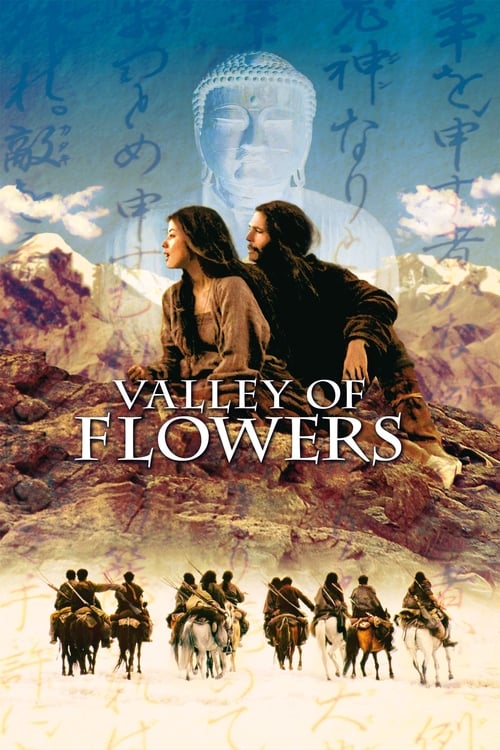
A Himalayan legend of a love struggling against the inevitability of death, an astonishing tale spanning from the early 19th century mountain existence, to hectic, bustling modern day Tokyo.
2002

1998

2011

2000

1993
No reviews yet. Be the first to share your thoughts on this movie!
Use the rating form above to leave a star rating and optional review.