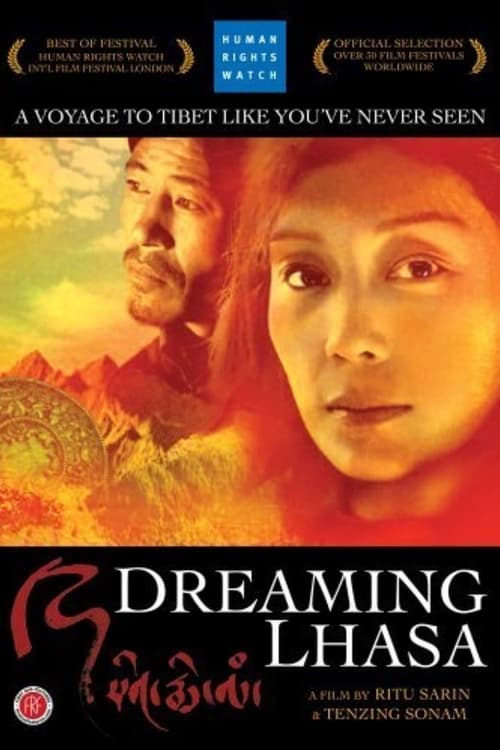
Dreaming Lhasa
2007
No user ratings available yet
Representation score: 5.4 out of 10

Representation Score
Good
2012
Director
Panjapong Kongkanoy
Runtime
113 minutes
Average Rating
No ratings yetNew Showbiz Analysis
Shambhala succeeds as a meditative character study that avoids the aggressive clichés of traditional masculine leadership. By focusing on internal psychological fragmentation and spiritual longing, the film offers a nuanced look at human vulnerability. However, the narrative remains limited by its reliance on traditional relational frameworks and a lack of explicit LGBTQ+ representation. Female characters primarily serve as emotional catalysts for the male protagonists' journeys. Ultimately, the film's strength lies in its resistance to the Western gaze. It provides a meaningful, non-Western perspective on spirituality and identity, even if it misses opportunities for broader social representation.
Category Breakdown
The story centers on a relationship that assumes everyone is straight or cisgender. It lacks explicit LGBTQ+ identities or narratives that challenge traditional relational structures.
Masculinity is portrayed through fragility and grief rather than dominance. While it challenges the stoic provider archetype, female characters primarily serve as emotional catalysts for the men.
The film offers an authentic Southeast Asian perspective by centering Thai protagonists. A mixed cast of Thai and Western travelers provides a naturalistic approach to internationalism.
The narrative favors personal, non-institutionalized spirituality over organized religion. It explores meaning through individual experience and the search for a mythical, metaphysical space.
The film focuses on invisible struggles like addiction and mental instability. These psychological tolls drive the drama but do not explore disability ability to act directly.
Present on Screen
Limited or Absent
Official Synopsis
Two estranged brothers take a road trip through Tibet together. In that high altitude country, the younger brother, Wut, is looking for a mythical place called Shambhala with the belief that its magical power will help cure his dying girlfriend. His older brother, Tin, has a painful past and assuages his soul by heavy drinking
2007

2002
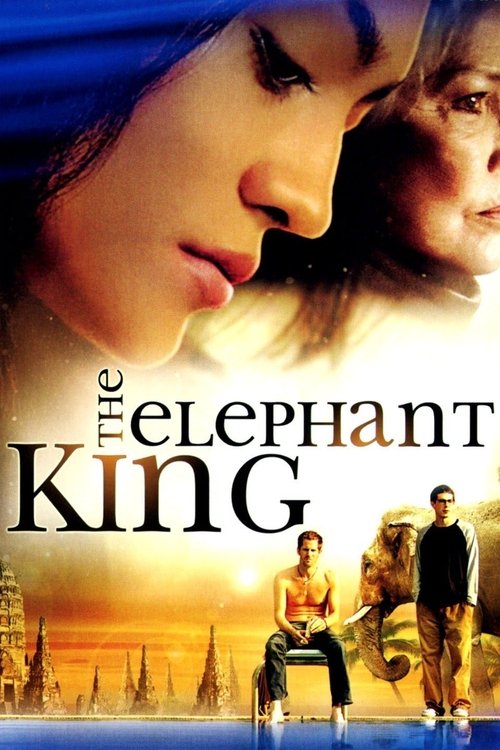
2006
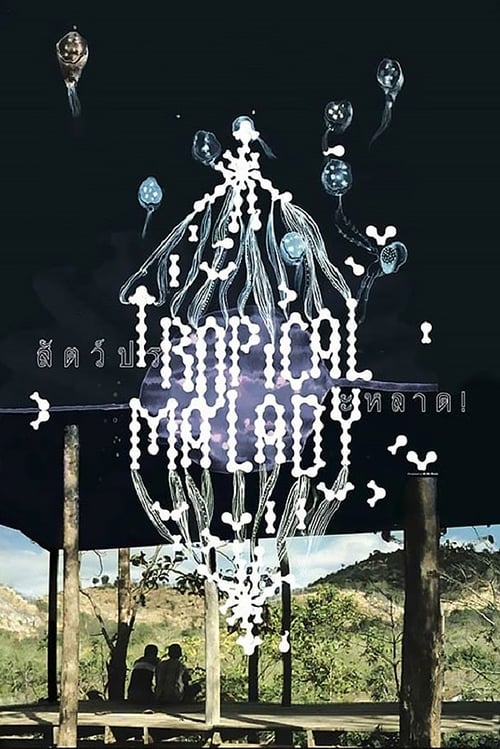
2004
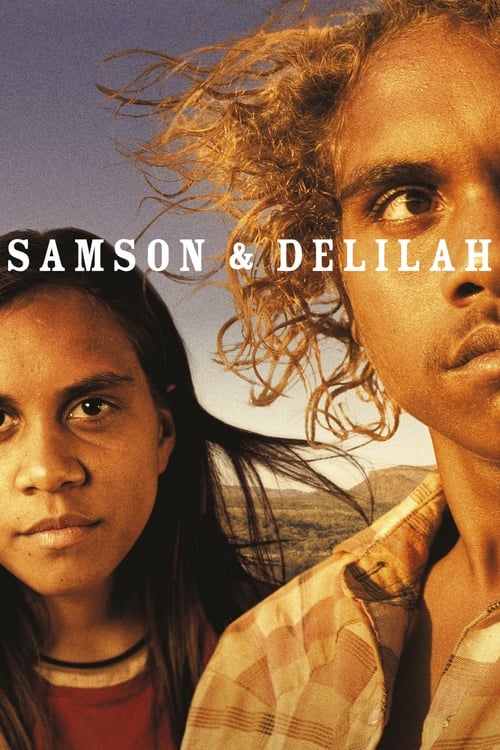
2009

2010

2010

2011
No reviews yet. Be the first to share your thoughts on this movie!
Use the rating form above to leave a star rating and optional review.