
Shambhala
2012
No user ratings available yet
Representation score: 7.2 out of 10
Representation Score
Fair
2007
Not RatedDirector
Tenzing Sonam, Ritu Sarin
Runtime
90 minutes
Average Rating
No ratings yetNew Showbiz Analysis
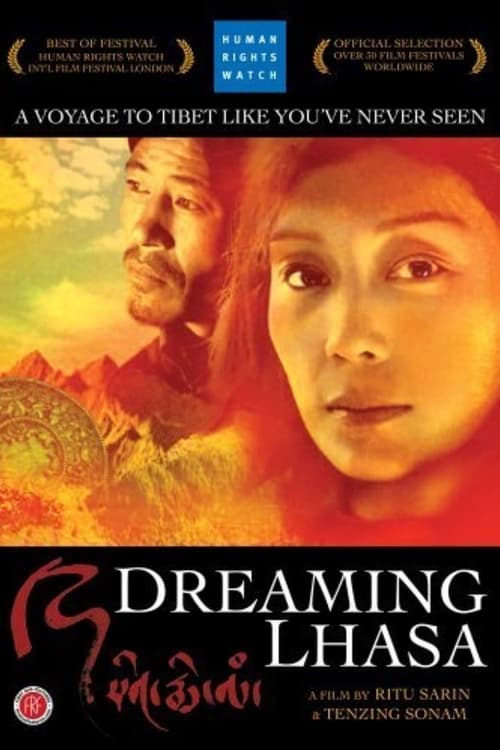
Dreaming Lhasa is a significant work that centers Tibetan experiences and critiques cultural hegemony. It effectively challenges Western-centric storytelling by focusing on the Tibetan perspective. The film's primary strength lies in its authentic representation of Tibetan culture and its critique of cultural dominance. It emphasizes identity-based power dynamics as a key element of the human experience. However, the film lacks depth in LGBTQ+ and disability-specific narratives. The romantic storyline remains traditionally heterosexual, and there are no characters with disabilities.
Category Breakdown
The film does not include explicit LGBTQ+ identities or non-conforming gender expressions. The main romantic relationship between Karma and Dhondup follows a traditional heterosexual structure without any queer undertones.
Karma is portrayed as a strong female lead with intellectual independence. She demonstrates professional and spiritual autonomy as a filmmaker navigating complex geopolitical environments.
The film stands out by focusing on a Tibetan cast and the Tibetan diaspora experience. It challenges Western-centric narratives by making Tibetan identity the central theme of the story.
The narrative examines the tension between traditional Tibetan spirituality and modern capitalist expansion. It portrays the preservation of heritage as a critical struggle against external pressures.
The film does not prominently feature characters with visible or invisible disabilities that drive the plot or serve as central figures in character development.
Present on Screen
Limited or Absent
Official Synopsis
Karma, a Tibetan filmmaker from New York, goes to Dharamsala, the Dalai Lama's exile headquarters in northern India, to make a documentary about former political prisoners who have escaped from Tibet. She wants to reconnect with her roots but is also escaping a deteriorating relationship back home.One of Karma's interviewees is Dhondup, an enigmatic ex-monk who has just escaped from Tibet. He confides in her that his real reason for coming to India is to fulfill his dying mother's last wish, to deliver a charm box to a long-missing resistance fighter. Karma finds herself unwittingly falling in love with Dhondup even as she is sucked into the passion of his quest, which becomes a journey into Tibet's fractured past and a voyage of self-discovery
2012

2002
2006

2009
2009

2005

2008
1997
No reviews yet. Be the first to share your thoughts on this movie!
Use the rating form above to leave a star rating and optional review.