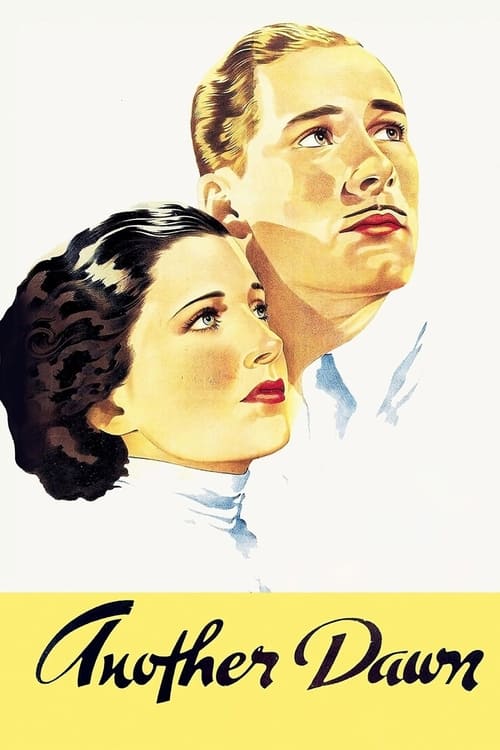
Another Dawn
1937
No user ratings available yet
Representation score: 0.7 out of 10

Representation Score
Good
1993
RDirector
Vincent Ward
Runtime
109 minutes
Average Rating
No ratings yetNew Showbiz Analysis
Map of the Human Heart stands out for its refusal to center a purely Anglo-centric perspective. By placing an Inuit guide at the heart of a journey through Montreal and London, the film disrupts typical period drama norms and explores the friction between indigenous identity and colonial structures. While the film offers a sophisticated look at cross-cultural displacement and the protagonist's ability to drive the story, it remains limited in other areas. The romantic arc stays within a traditional framework, and the protagonist's illness functions more as a plot device for movement than a deep study of chronic conditions. Ultimately, the film is a striking exploration of human connection across disparate worlds. It succeeds in using a non-white perspective to drive its narrative, even if it lacks explicit depth regarding LGBTQ+ or neurodivergent identities.
Category Breakdown
The story focuses on a romantic relationship between Avik and Albertine. It does not explicitly include non-binary identities or challenge the assumption that everyone is straight.
Albertine plays a significant role in driving the story through her decision to pursue an affair. The film avoids traditional gender roles by presenting Walter as an emotionally complex figure rather than a straightforward authority.
The film excels by centering an Inuit protagonist navigating colonial structures. It uses Avik's perspective to challenge ethnographic clichés and explore the tension between indigenous identity and Western institutions.
The narrative engages with the lasting effects of historical colonization by highlighting the displacement of indigenous individuals. It critiques the broader social forces that uproot underrepresented populations during their integration into Western social systems.
Tuberculosis serves as a pivotal catalyst for Avik's journey into new cultural spheres. The portrayal avoids 'inspiration porn' by focusing on his survival and subsequent ability to take control of his life.
Present on Screen
Limited or Absent
Official Synopsis
In an Arctic village in 1931, British mapmaker Walter Russell selects 12-year-old Eskimo Avik as his guide. When the boy contracts tuberculosis, Walter flies him to a Montreal hospital, where Avik meets Albertine and is infatuated. A decade later, a grown Avik encounters Albertine again in London, where he's serving as a British combat pilot. Despite her relationship with Walter, she and Avik begin an affair.
1937

1931

1996

1957

2009

1990

1985

1995
No reviews yet. Be the first to share your thoughts on this movie!
Use the rating form above to leave a star rating and optional review.