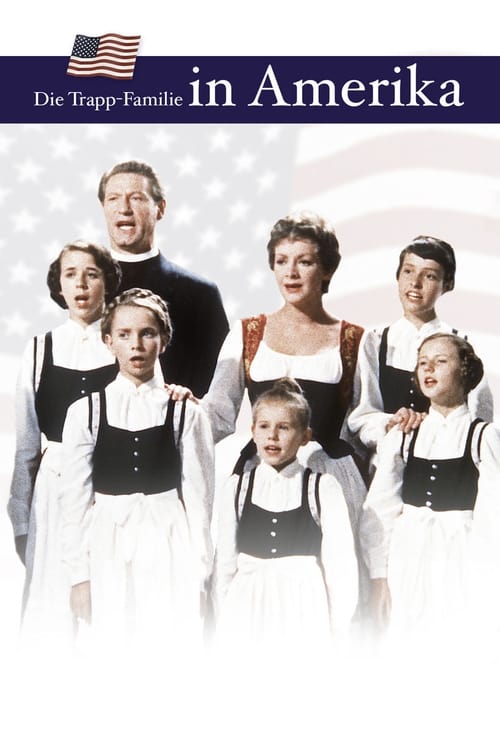
The Trapp Family in America
1958
No user ratings available yet
Representation score: 0.5 out of 10
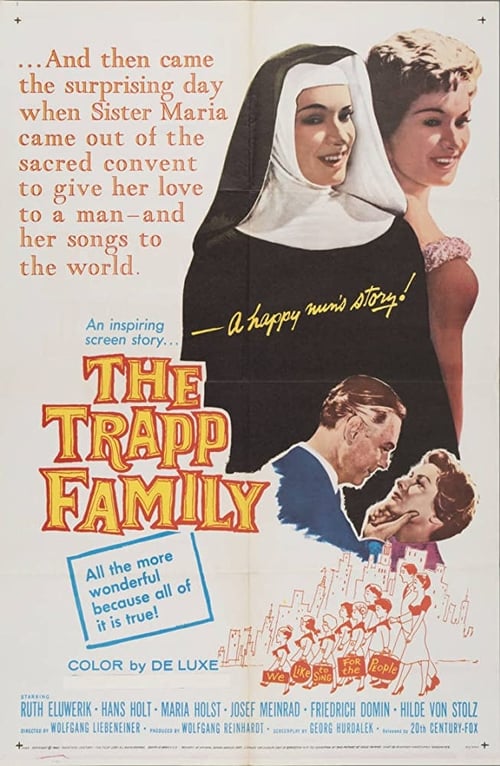
Representation Score
Minimal
1956
ApprovedDirector
Wolfgang Liebeneiner
Runtime
106 minutes
Average Rating
No ratings yetNew Showbiz Analysis
Die Trapp-Familie is a traditional production reflecting the social norms and cultural values of 1956. It operates within a framework of historical homogeneity and traditional social structures. The film does not aim to challenge conventional hierarchies. Instead, it centers on a homogeneous Austrian family unit, reinforcing the patriarchal and Western-centric norms of mid-20th-century European cinema. As a work from before modern identity-focused storytelling, it serves primarily as a biographical musical drama celebrating established social orders rather than questioning them.
Category Breakdown
The film follows the traditional heterosexual relationships common in 1950s European cinema. There are no representations of non-binary gender identities or same-sex relationships.
The story emphasizes traditional gender roles typical of biographical dramas from this time. Female characters have emotional influence, but the narrative centers on patriarchal leadership and traditional domestic roles.
This production focuses on an Austrian family and a homogeneous white social context. There is no indication of racial diversity or casting actors from different backgrounds.
The film highlights traditional Western values, emphasizing family unity and moral stability. It celebrates the sanctity of the family unit and upholds traditional social order.
There are no confirmed depictions of physical or neurodivergent characters in the synopsis.
Present on Screen
Limited or Absent
Official Synopsis
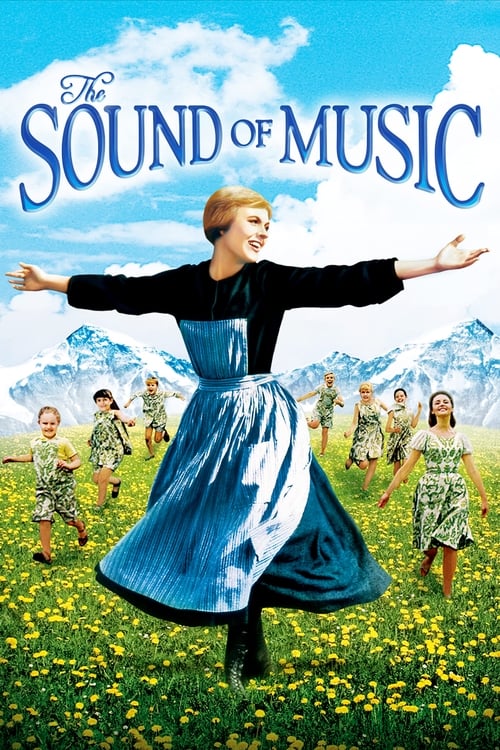
A true story based on the popular novel by the Baroness Von Trapp of Austria. The film was made in 1956, some years before the other film based on the Trapp Family's life was released - a little movie named "The Sound of Music".
1958
1944
1956
1969
1969
1955
1965

1962
No reviews yet. Be the first to share your thoughts on this movie!
Use the rating form above to leave a star rating and optional review.