The First Melody
1958
No user ratings available yet
Representation score: 2.8 out of 10
Representation Score
Minimal
1956
Director
Géza von Bolváry
Average Rating
No ratings yetNew Showbiz Analysis
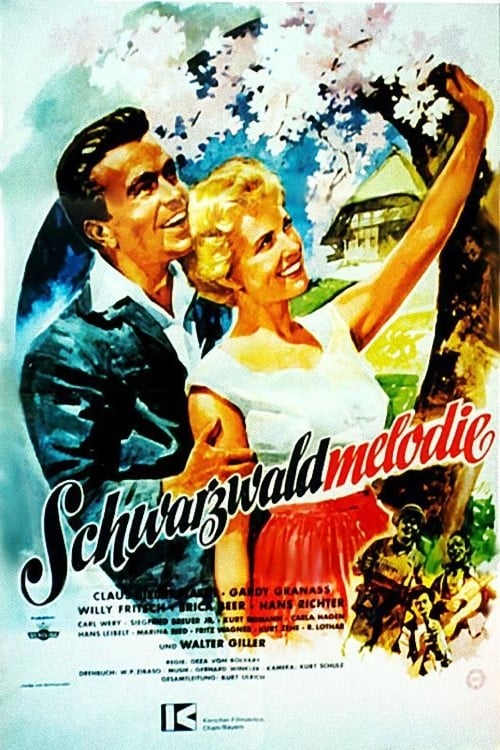
Schwarzwaldmelodie is a traditionalist production that reinforces the social and cultural hierarchies of mid-century European cinema. As a musical comedy from 1956, it prioritizes regional romanticism and escapism over narrative subversion. The film lacks characters who reflect more than one aspect of diversity, focusing instead on a homogeneous demographic and established social norms. It serves as a genre-standard piece of entertainment that aligns with the era's production standards.
Category Breakdown
The film follows the traditional heterosexual norms typical of 1950s romantic comedies. There is no representation of non-binary gender identities or critiques of traditional courtship.
Female characters likely follow traditional gender roles common to the era. While they may have romantic ability to act, they rarely challenge established social roles or masculinity.
The production reflects the homogeneous demographic landscape of mid-century West Germany. It focuses on localized European identity without diverse casting.
The story emphasizes regional identity, family stability, and romantic idealism. It celebrates traditional settings and social cohesion.
There is no available information regarding the portrayal of characters with physical or neurodivergent disabilities.
Present on Screen
Limited or Absent
1958
1958
1961
1944
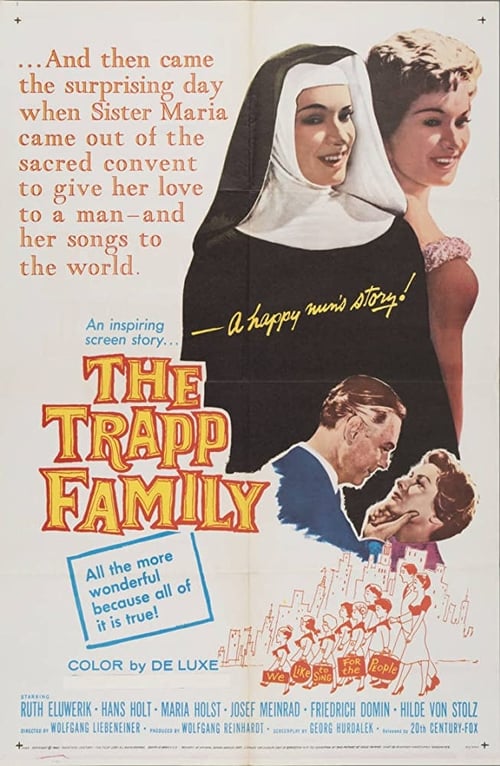
1956
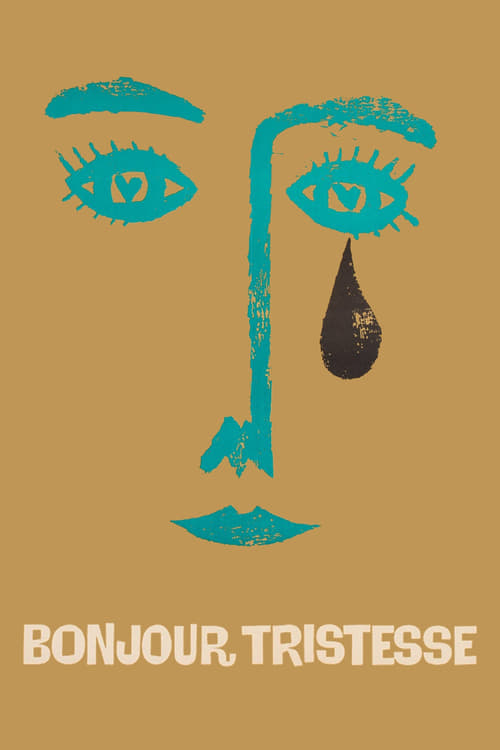
1958
1952
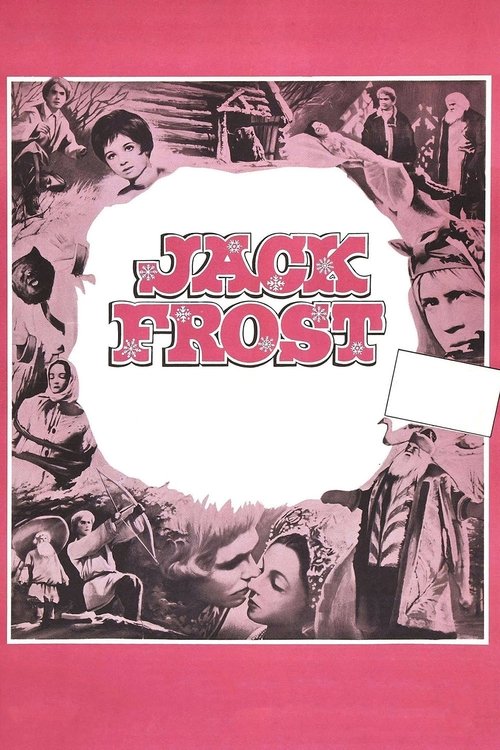
1965
No reviews yet. Be the first to share your thoughts on this movie!
Use the rating form above to leave a star rating and optional review.