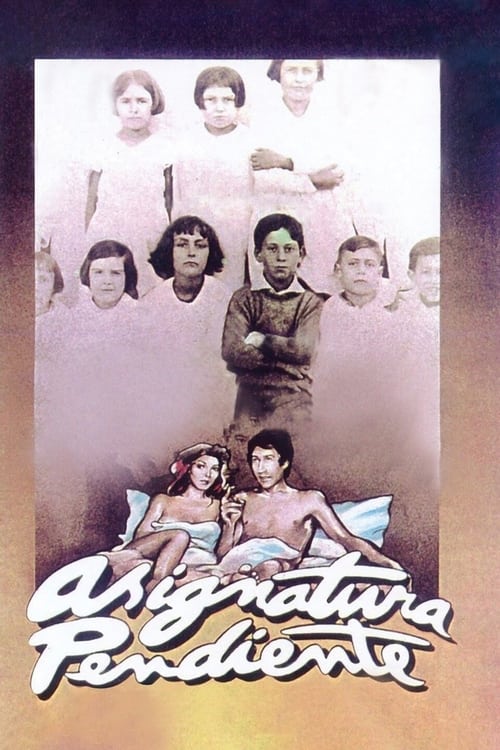
Asignatura pendiente
1977
No user ratings available yet
Representation score: 3.9 out of 10
Representation Score
Good
1977
Director
Mario Camus
Runtime
109 minutes
Average Rating
No ratings yetNew Showbiz Analysis
Mario Camus's drama effectively critiques the systemic oppression of the Francoist state and the Catholic Church's influence. Using the historical context of post-Civil War Spain, the film challenges official narratives and offers significant progressive value despite its limited demographic representation. The film's strength lies in its intellectual depth and its focus on the politically underrepresented and the proletariat. However, it lacks diverse representation in terms of race, LGBTQ+ identities, and disabilities.
Category Breakdown
The film focuses on a romantic relationship between a woman and a guerrilla fighter but does not include any non-traditional gender identities or LGBTQ+ themes. It adheres to traditional assumptions about straight relationships.
The narrative emphasizes the active role of the female protagonist in navigating a high-stakes political environment. It highlights the unique challenges and resilience of women living under repressive regimes.
The cast reflects the homogeneous demographics of rural post-Civil War Spain. Although there is no racial diversity, the film portrays the guerrillas as a underrepresented group on the outskirts of society.
The film critically examines the Francoist state and the Catholic Church. It prioritizes the experiences of the working class and those underrepresented by authoritarian institutions.
The plot does not feature characters with visible or invisible disabilities. The narrative focuses on political and socioeconomic exclusion rather than neurodivergent or physical representation.
Present on Screen
Limited or Absent
Official Synopsis
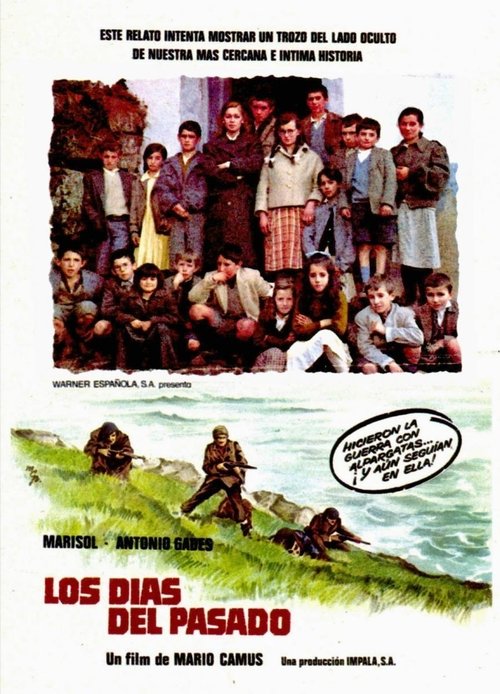
A woman arrives in town to work as a teacher. It is the time of the 'maquis', the anti-Franco guerrilla that fights with little hope in some regions of Spain just after the end of the civil war. She has a love affair with one of the guerrillas, but their relationship will have an impossible future because of the past.
1977

2011
1986

1973

1993
2001
1969
1982
No reviews yet. Be the first to share your thoughts on this movie!
Use the rating form above to leave a star rating and optional review.