The Sporting Age
1928
No user ratings available yet
Representation score: 2.4 out of 10
Representation Score
Minimal
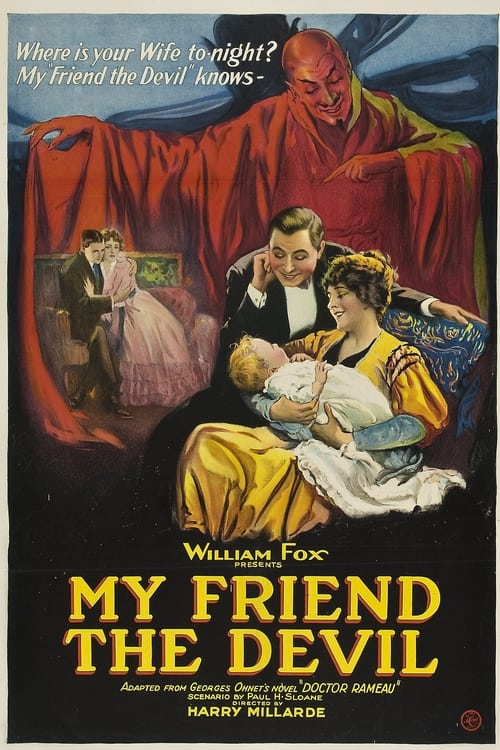
1922
PassedDirector
Harry F. Millarde
Runtime
80 minutes
Average Rating
No ratings yetNew Showbiz Analysis
My Friend the Devil adheres to early 20th-century cinematic conventions, emphasizing patriarchal authority and religious morality. The narrative is driven by a male protagonist, George Dryden, whose spiritual crisis shapes the entire plot. Representation is limited and follows historical clichés. Women and characters with illnesses are used as tools to advance the male lead's character development, lacking independent roles or complex identities. The film upholds established social hierarchies without challenging them. Since the film is lost, visual diversity cannot be confirmed, but the narrative remains deeply rooted in conservative, Western, and traditional religious frameworks.
Category Breakdown
The film does not include any LGBTQ+ characters or non-straight relationships. The story revolves around traditional marriage and infidelity.
Female characters are portrayed as domestic and vulnerable. The wife's character is defined by infidelity and death, while the daughter lacks control over her own story, serving mainly as a catalyst for the male protagonist's journey.
The narrative centers on Western social structures and traditional family dynamics. There is no indication of a diverse cast or ethnic perspectives.
The plot critiques secularism and concludes with a divine miracle that restores the protagonist's faith, reinforcing traditional religious authority.
The daughter's emotional breakdown is used as a plot device for the male lead's spiritual transformation. Her illness serves as a tool for moral instruction rather than a character study.
Present on Screen
Limited or Absent
Official Synopsis
George Dryden, an atheist since he saw his mother struck and killed by lightning as a kid, becomes a prominent surgeon and marries a woman who soon dies of heart disease. Years later, on his daughter's wedding day, he discovers that his wife had a serious love affair with an artist. Infuriated, he drives his daughter away. She becomes ill, suffering an emotional collapse. The doctor exhausts his knowledge trying to save her and finally, in desperation, he calls upon God. The girl is miraculously cured and George Dryden's faith is restored. A lost film.
1928
1927
1929
1920
1930
1948
1931
1927
No reviews yet. Be the first to share your thoughts on this movie!
Use the rating form above to leave a star rating and optional review.