
The Other
1999
No user ratings available yet
Representation score: 8.7 out of 10

Representation Score
Excellent
2004
Director
Youssef Chahine
Runtime
128 minutes
Average Rating
No ratings yetNew Showbiz Analysis
Youssef Chahine’s work offers a nuanced exploration of the tension between Eastern and Western identities. By centering an Arab perspective within a Western city, the film challenges conventional cinematic hierarchies and the 'white-as-default' standard. The film's main strength lies in its adept handling of racial and cultural diversity through a post-colonial lens. It moves beyond simplistic assimilation stories to delve into complex cultural fusion and the ongoing tensions of a post-colonial society. However, the film remains somewhat constrained in its portrayal of other identities. It adheres to traditional romantic structures and lacks explicit representation of LGBTQ+ or disability-focused narratives.
Category Breakdown
The film focuses on straight relationships and personal nostalgia, avoiding negative stereotypes but not centering LGBTQ narratives or non-straight identities as key plot elements.
The story is told from a male protagonist's perspective, but the women are shown as complex individuals rather than passive stereotypes. The narrative avoids strict patriarchal dominance through the protagonist's emotional vulnerability.
The film stands out by featuring an Egyptian protagonist in a New York setting, challenging Western-centric immigrant clichés. It places Middle Eastern identity at the core rather than as a side note.
The narrative critiques cultural dominance, exploring the tension between Eastern and Western perspectives. It dismantles Western cultural superiority by emphasizing the subjective experience of an outsider.
The film does not prominently feature visible or invisible disabilities. It focuses on psychological and existential themes like nostalgia and displacement rather than physical or neurodivergent conditions.
Present on Screen
Limited or Absent
Official Synopsis
An enthralling look at the relationship between America and the Arab World from an Arab perspective. It tells the story of Yehia, a renowned Egyptian filmmaker whose life has been shaped by a pair of disrupted love affairs, one with an American woman named Ginger, the other with America itself.
1999

1997
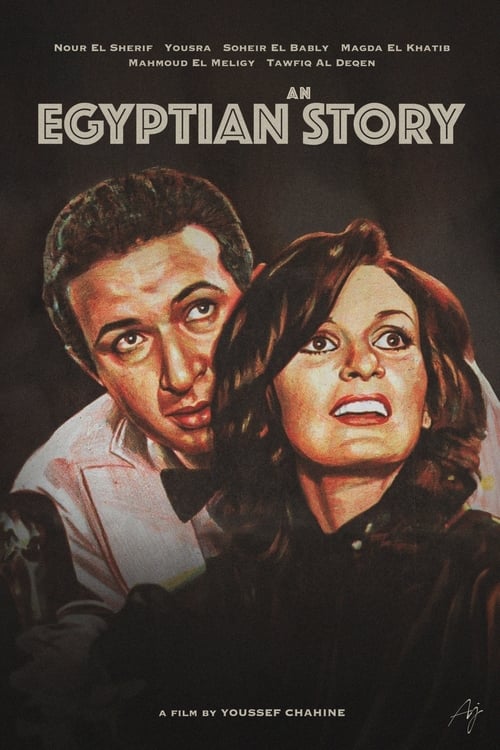
1982
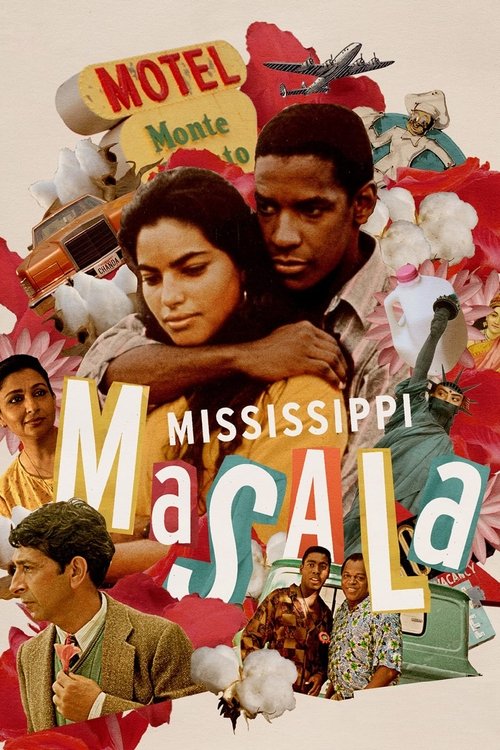
1991
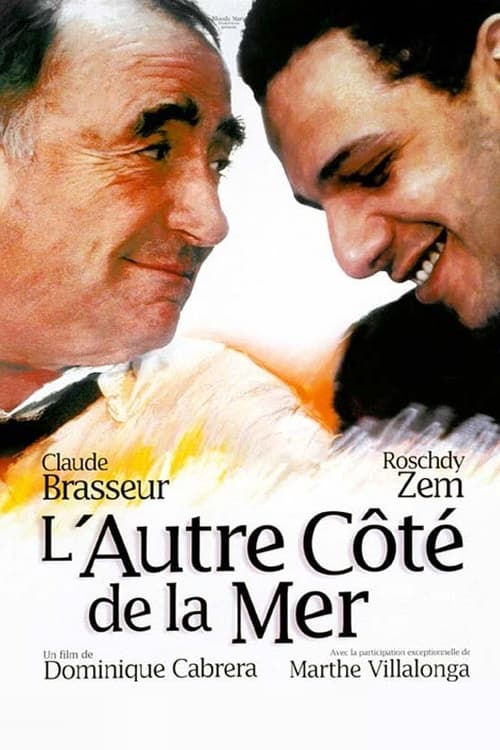
1997

2016
1994

2007
No reviews yet. Be the first to share your thoughts on this movie!
Use the rating form above to leave a star rating and optional review.