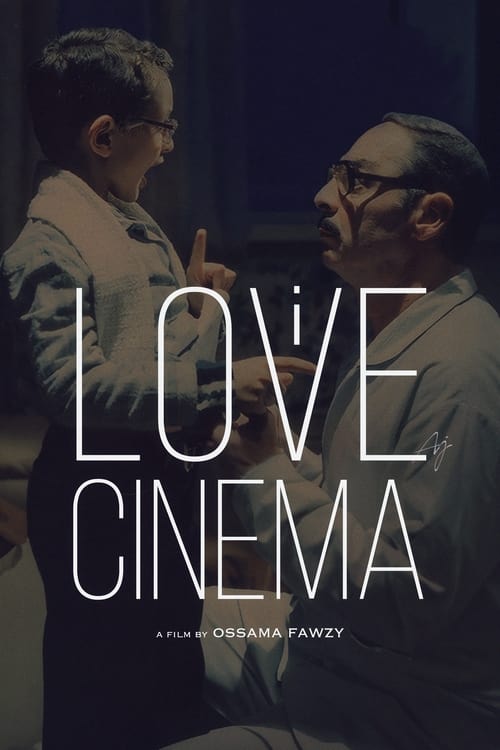
I Love Cinema
2004
No user ratings available yet
Diversity score: 6.3 out of 10
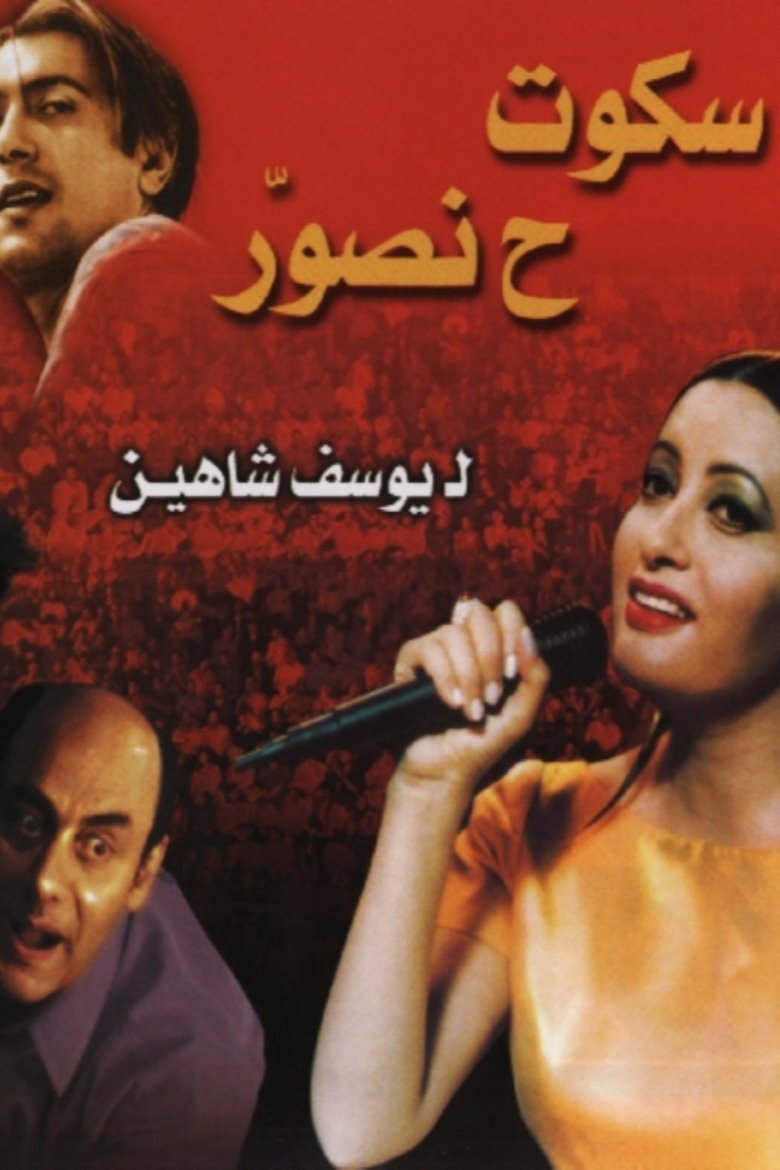
2001
Director
Youssef Chahine
Runtime
93 minutes
Average Rating
No ratings yetSynopsis
Malak is a star singer who lives with her mother and her daughter, Loula, in her villa after her divorce. She falls in love with an opportunist called Lam'ey, so her daughter sets out to expose him with the help of her lover, a driver called Nasser, and the director, Ezz-ElDin who deeply loves Malak.
Overall Score
Good
Category Breakdown
LGBTQ+ Representation
The film centers on heteronormative romantic entanglements and the tensions of Malak’s divorce. There is no explicit evidence of queer narratives or non-cisnormative identities within the primary character arcs.
Gender Representation
Malak serves as a powerful protagonist with significant professional agency and economic independence. The narrative subverts traditional tropes by positioning women like Malak and Loula as the primary drivers of the plot.
Racial & Ethnic Diversity
Set within the Egyptian film industry, the work offers a culturally specific, non-Western perspective. It prioritizes regional authenticity, providing a necessary counter-narrative to Western-dominated cinematic landscapes.
Religious & Cultural Diversity
The film explores situational ethics and the complexities of the human condition through a meta-fictional lens. It prioritizes psychological depth and familial bonds over idealized depictions of social or institutional stability.
Disability Representation
The narrative focuses on the socioeconomic and professional dynamics of the film industry. There is no prominent evidence regarding the inclusion of characters with physical or neurodivergent disabilities.
Strengths
Areas for Improvement
AI Analysis
Youssef Chahine’s film succeeds by centering female agency and offering a robust, non-Western perspective on the mechanics of storytelling. By focusing on Malak’s professional power and Loula’s proactive role, the film disrupts traditional patriarchal hierarchies. However, the work remains within conventional boundaries regarding identity. It lacks explicit LGBTQ+ narratives and does not feature prominent characters with disabilities, adhering to more traditional romantic and social structures. Ultimately, the film's strength lies in its cultural authenticity and its subversion of power dynamics, even if it does not aggressively pursue diverse identity-centric storylines.
2004
2016
2007

2002
1987

2006
1980
2021

2007
1999
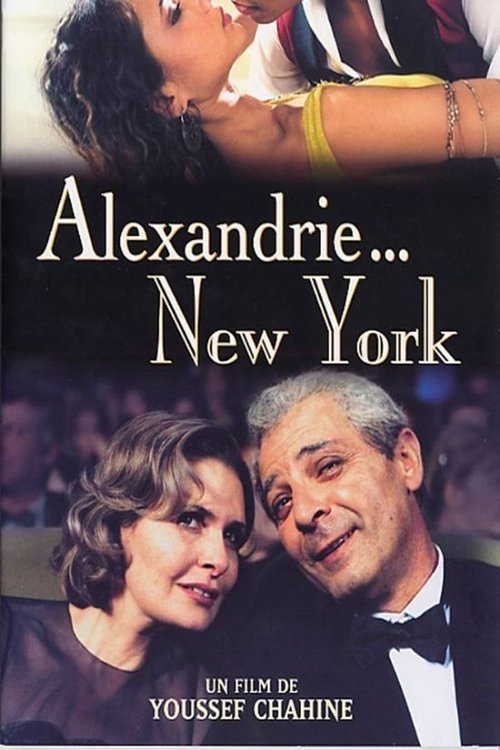
2004
1986
No reviews yet. Be the first to share your thoughts on this movie!
Use the rating form above to leave a star rating and optional review.