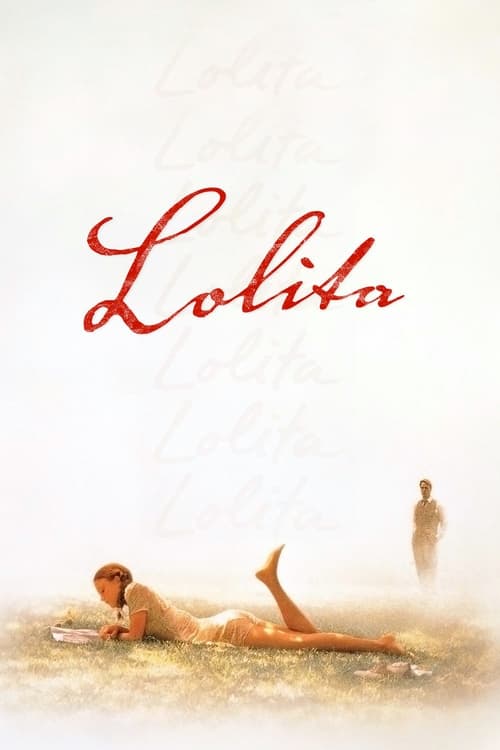
Lolita
1997
No user ratings available yet
Representation score: 0.6 out of 10

Representation Score
Minimal
1962
NRDirector
Stanley Kubrick
Runtime
154 minutes
Average Rating
No ratings yetNew Showbiz Analysis
Lolita is a film defined by its narrow demographic scope and its intense focus on a singular, predatory male perspective. It lacks representation across most traditional identity markers, resulting in a low diversity score. However, the film excels in its cultural critique. It uses an unreliable narrator to deconstruct Western social norms and the perceived vulgarity of mid-century American life. This intellectual complexity provides a depth that offsets its lack of demographic variety. Ultimately, the work is a study of power imbalances and moral ambiguity rather than a diverse social tapestry.
Category Breakdown
The film focuses entirely on a straight-centered, predatory obsession. There are no LGBTQ+ characters or non-binary identities represented.
Female characters have little control over their own lives and mainly serve as objects of manipulation or obstacles. The story prioritizes the male perspective over female autonomy.
The cast is predominantly white and Anglo-Saxon, reflecting the mid-century American setting. The film does not engage with racial diversity or varied cultural backgrounds.
The film critiques mid-century American consumerism and the superficiality of the American Dream. It uses moral relativism to challenge traditional social institutions.
There are no significant depictions of visible or invisible disabilities among the main characters.
Present on Screen
Limited or Absent
Official Synopsis
Humbert Humbert is a middle-aged British novelist who is both appalled by and attracted to the vulgarity of American culture. When he comes to stay at the boarding house run by Charlotte Haze, he soon becomes obsessed with Lolita, the woman's teenaged daughter.
1997

1958

1967

1995
1979

1974
2008

1971
No reviews yet. Be the first to share your thoughts on this movie!
Use the rating form above to leave a star rating and optional review.