Till Sex Do Us Part
1971
No user ratings available yet
Representation score: 5.4 out of 10
Representation Score
Good
1970
Director
David Avidan
Runtime
26 minutes
Average Rating
No ratings yetNew Showbiz Analysis
David Avidan’s 1970 film serves as a provocative challenge to the sociopolitical myths surrounding Israel. It employs an avant-garde, modern style to dismantle the binary opposition between an idealized society and a militaristic-orthodox state. The film’s strongest impact lies in its cultural subversion. By deconstructing religious narratives such as the Virgin Mary, it prioritizes individual expression over state or religious dominance. While the film excels at challenging institutional norms, there is limited detail regarding racial casting and disability representation.
Category Breakdown
The film focuses on various forms of sexual activity, suggesting a move away from traditional heterosexual norms. Its controversial status indicates a narrative that challenges conventional views on sexuality.
The work challenges traditional gender roles by emphasizing personal freedom and modern relationships. It moves away from patriarchal structures by focusing on bodily autonomy and intimate connections.
The narrative highlights a shared human experience to break down ethnic distinctions. It portrays Israeli youth as part of a global, Western culture rather than a nationalist one.
The film effectively critiques religious institutions through symbolic sequences. It uses religious imagery to promote a secular, individual morality over strict orthodoxy.
There is no information available regarding the portrayal of physical or neurodivergent disabilities in the film.
Present on Screen
Limited or Absent
Official Synopsis
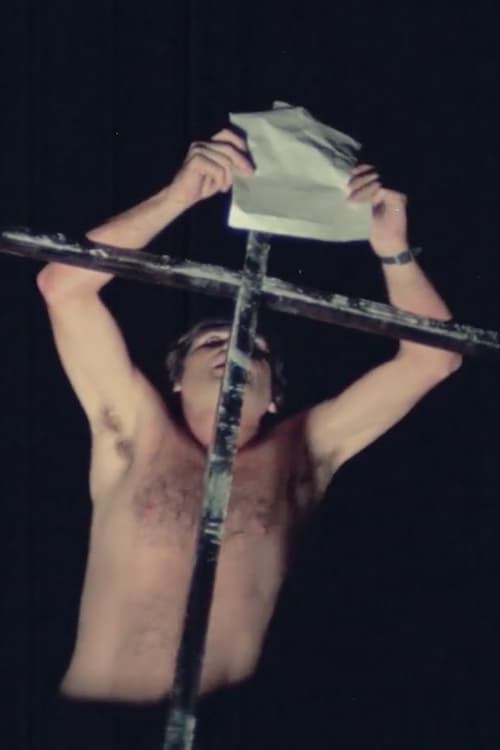
"The image is universal; the country of origin is Israel, confirming that its young are not different from others elsewhere. The atmosphere is cool, modern, Western; the decor utilitarian, the style avant-garde. Nothing detracts from the soft abandon of the scene. This film is banned in Israel. And who said that Israel cannot make sex films? Yet the contrasting myths of Israel as an idealistic society given to righteous self-improvement or a militarist-orthodox state bent on self-aggrandizement are so strong that this work comes as a surprise. Its manifold copulations, sophisticated stance, avant-garde modernity, and political thrusts stamp it as the testimony of a new generation. One sequence: "A vision of the Virgin Mary waiting for the Holy Ghost to do his thing, as Avidan's voice sings a tearful Yiddish refrain and Joseph the Carpenter bangs on the door, before going to take his vengeance by building a cross."" — Amos Vogel
1971
1969
1966
1968
1972
1968
1960

1970
No reviews yet. Be the first to share your thoughts on this movie!
Use the rating form above to leave a star rating and optional review.