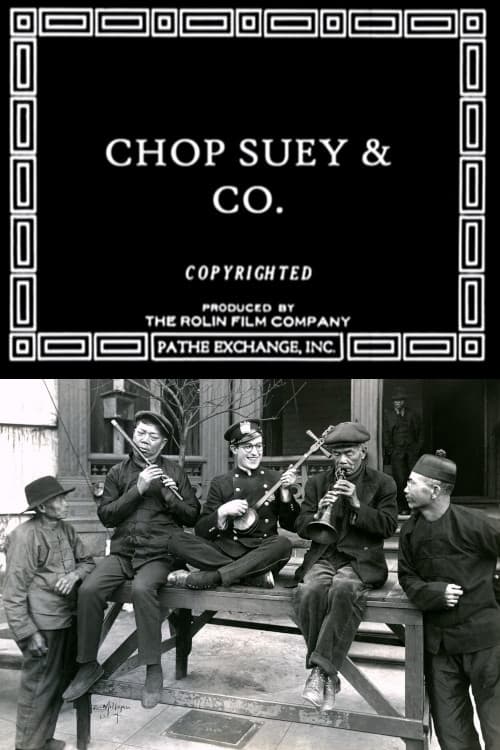
Chop Suey & Co.
1919
No user ratings available yet
Representation score: 1.4 out of 10
Representation Score
Limited
1919
NRDirector
Alfred J. Goulding
Runtime
11 minutes
Average Rating
No ratings yetNew Showbiz Analysis
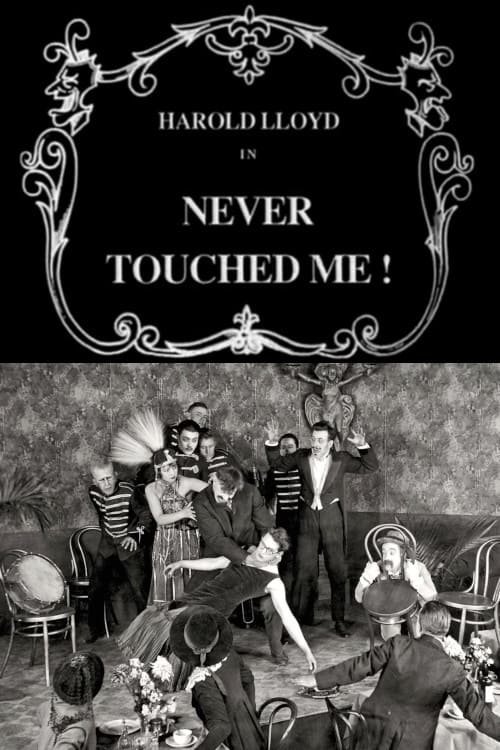
Never Touched Me! is a product of the early silent era, emphasizing physical comedy over complex social or identity-driven narratives. The film adheres to the demographic constraints of 1919 Hollywood, focusing on situational comedy rather than diverse representation. While the director's background in comedy is notable, the film does not aim to challenge established social hierarchies. Instead, it uses traditional archetypes and physical clichés common to the period’s cinematic language. Ultimately, the film serves as a snapshot of a homogeneous industry, offering little in the way of diverse representation or systemic critique.
Category Breakdown
The film does not include any characters with non-straight or non-cisgender identities. It follows the traditional assumptions of straight relationships common in 1919 silent cinema.
Set in a cafe, the film does not challenge the gender roles typical of its time. It portrays masculinity in ways that align with the social norms of the period.
The film reflects the homogeneous casting practices of early Hollywood. There are no indications of diverse ethnic representation or non-white majority casts.
The comedy relies on situational humor within a cafe setting. It does not address broader cultural critiques or the deconstruction of Western institutions.
The film lacks nuanced portrayals of characters with disabilities. The slapstick style might unintentionally mock physical impairments through exaggerated movements.
Present on Screen
Limited or Absent
Official Synopsis
At the Killjoy Cafe, "everything is first class except the food and the service."
1919
1919
1928
1917

1929
1899

1909

1934
No reviews yet. Be the first to share your thoughts on this movie!
Use the rating form above to leave a star rating and optional review.