Wolf Fangs
1927
No user ratings available yet
Representation score: 1.4 out of 10
Representation Score
Limited
1911
Director
Francis Boggs, Otis Turner
Runtime
15 minutes
Average Rating
No ratings yetNew Showbiz Analysis
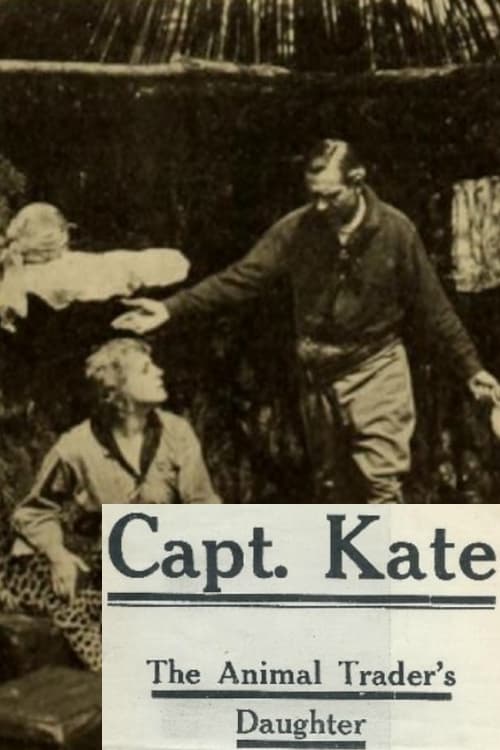
Captain Kate stands out for its subversion of gender roles, placing a woman in a position of command and physical danger usually reserved for men. This leadership provides a rare moment of female strength in early silent cinema. However, the film remains constrained by the era's narrative conventions. The inclusion of native characters leans on ethnographic stereotypes, and the cultural perspective adheres to traditional Western adventure clichés of the time. While Kate's competence is a highlight, the film's reliance on period-typical stereotypes and its focus on survival against nature limit its broader diversity.
Category Breakdown
The film does not include any LGBTQ+ characters or themes. It focuses solely on a traditional survivalist storyline.
Captain Kate challenges early 20th-century norms by taking over her father's leadership role. She plays a significant role in leading hunters and navigating dangerous situations.
Native hunters are part of the plot, but their role seems secondary to the main character. The depiction of superstitious followers suggests reliance on ethnographic stereotypes.
The story follows a typical Western adventure format focused on individual survival. It reflects the era's fascination with colonial-style exploration and mastery of the natural world.
Characters face illness, but these instances serve mainly as plot devices. They isolate Kate rather than offering meaningful representation.
Present on Screen
Limited or Absent
Official Synopsis
Two caravans meet on the desert, one headed by Howell and Clancy, two New York men, who are gathering animals for circus purposes, the other is led by an old animal tamer named Desmond and his beautiful daughter, whom the natives have nicknamed Capt. Kate. After exchanging cards, the caravans go their separate ways. Desmond is stricken and dies, leaving Kate alone. She assumes her father's perilous business, leading her party of native hunters after big game. Later, one of the hunters is stricken and the superstitious followers of Capt. Kate, recognizing the nature of the disease, abandon the hunt and their leader, one servant alone remaining faithful to his mistress. Kate, realizing that she can go no further without assistance, calls a halt and they erect a crude hut in which she is to live, while the servant goes in search of Clancy. Scene of Kate's isolated life and her dangers follow. She is besieged by wild animals, who make her life a long nightmare of peril.
1927
1966

1951

1949
1917
1962
1918
1932
No reviews yet. Be the first to share your thoughts on this movie!
Use the rating form above to leave a star rating and optional review.