The Vengeance of Durand
1919
No user ratings available yet
Representation score: 0.3 out of 10
Representation Score
Limited
1925
PassedDirector
Frank R. Strayer
Runtime
56 minutes
Average Rating
No ratings yetNew Showbiz Analysis
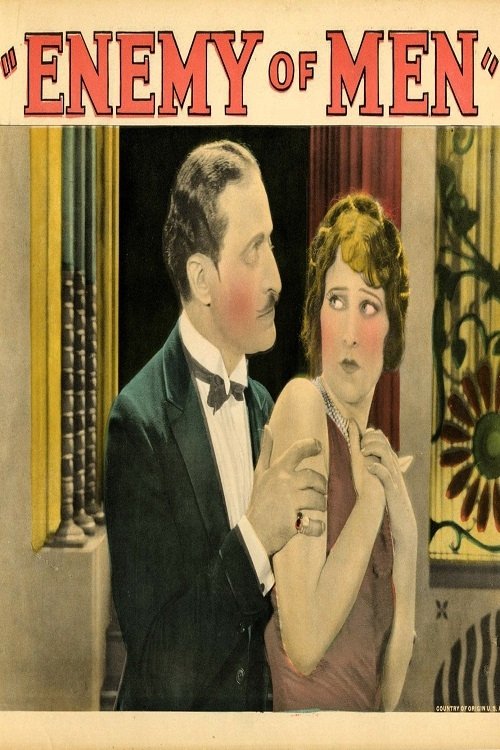
An Enemy of Men is a product of its era, prioritizing standard dramatic arcs over challenging social norms. The film's strength lies in its protagonist, Norma Bennett, who avoids the 'damsel in distress' cliché by actively pursuing vengeance. However, the film remains deeply rooted in the social hierarchies of the 1920s. It lacks any meaningful representation of LGBTQ+ identities or diverse racial backgrounds, adhering instead to a narrow, traditionalist framework. Ultimately, while the female lead shows individual strength, the narrative's resolution through marriage reinforces the very societal norms the protagonist initially resists.
Category Breakdown
The film does not include any LGBTQ+ characters or narratives that question the assumption that everyone is straight. All romantic tensions are between heterosexual couples.
Norma Bennett plays a significant role in driving the story through her personal vendetta. She challenges the 'damsel in distress' cliché by taking active steps to seek retribution, but the story ends with a traditional marriage.
The narrative follows a standard Western dramatic structure. There is no indication of diverse ethnic identities or a non-Anglo-Saxon majority cast.
The plot reinforces traditional social structures and moral frameworks. It focuses on themes of betrayal and vengeance that resolve through the restoration of conventional order.
There are no characters identified as having visible or invisible disabilities.
Present on Screen
Limited or Absent
Official Synopsis
Because of her sister's betrayal and subsequent death, Norma Bennett takes a vow to make all men pay. She becomes a night club favorite and is courted by John Hurd, who is the man who ruined her sister. Dr. Phil Ordway is in love with her, but she refuses his offer of marriage. When she discovers the identity of John as her sister's betrayer, she takes a gun and goes to the cabaret to shoot him, but he dies by another's hand. She then agrees and weds Dr. Ordway.
1919
1924
1923
1924
1925
1922
1923
1912
No reviews yet. Be the first to share your thoughts on this movie!
Use the rating form above to leave a star rating and optional review.