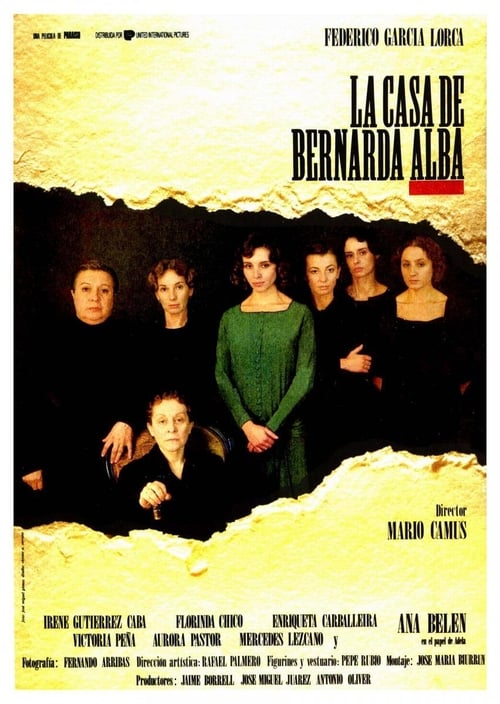
The House of Bernarda Alba
1987
No user ratings available yet
Representation score: 6.8 out of 10
Representation Score
Good
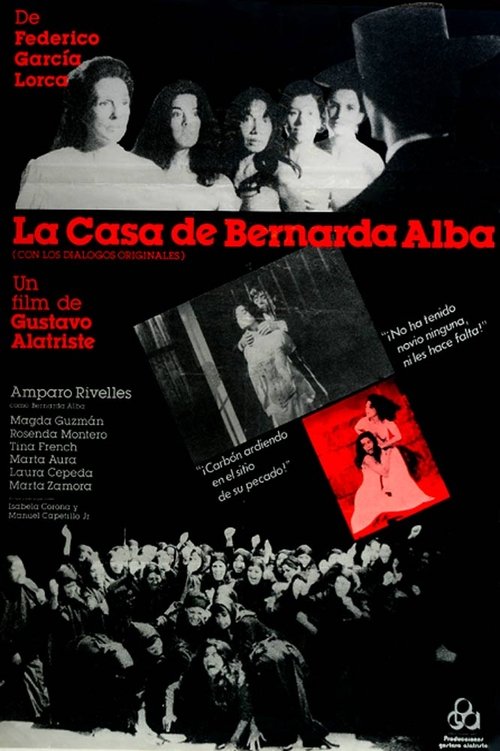
1982
Director
Gustavo Alatriste
Runtime
100 minutes
Average Rating
No ratings yetNew Showbiz Analysis
This adaptation of Lorca's work serves as an examination of systemic repression. It excels by dismantling traditional social hierarchies and criticizing institutionalized morality, making it a progressive exploration of identity under pressure. The film's strength lies in its thematic depth concerning gender and cultural oppression. However, its historical setting restricts its demographic range, leading to a lack of racial and multi-layered diversity. Ultimately, the film prioritizes the deconstruction of oppressive norms over contemporary demographic representation, providing a focused look at the struggle against a suffocating social order.
Category Breakdown
The film delves into themes of hidden desires and unconventional attractions through its storyline. It challenges the constraints of traditional heterosexual norms and the policing of sexual behavior, though explicit scenes remain mostly implied.
The story breaks down traditional gender hierarchies through intense internal power dynamics. It highlights the mental strain of enforced femininity and the restricted actions of the daughters.
Set in rural Spain, the film centers on a small, homogenous community. It respects the demographic makeup of its historical context without perpetuating harmful racial stereotypes.
The narrative offers a deep critique of rigid religious practices and strict family structures. It portrays strict social morality as a means of systemic oppression rather than a stabilizing force.
There are no clear depictions of physical or neurological differences that play a central role in the narrative.
Present on Screen
Limited or Absent
Official Synopsis
A domineering, reclusive and ostentatiously pious widow in a small Spanish town keeps such close watch on her daughters that they are unable to have normal social lives. However, the eldest is allowed to become engaged to an unprincipled young man, primarily for the financial advantages it will bring the mother, Bernarda. Jealousy and envy ensues among the other daughters.
1987

1967

1957

1950
1965

1941

2005

1956
No reviews yet. Be the first to share your thoughts on this movie!
Use the rating form above to leave a star rating and optional review.