Easter in Art
2020
No user ratings available yet
Representation score: 1.8 out of 10
Representation Score
Limited
1989
KTDirector
Eric Pauwels
Runtime
52 minutes
Average Rating
No ratings yetNew Showbiz Analysis
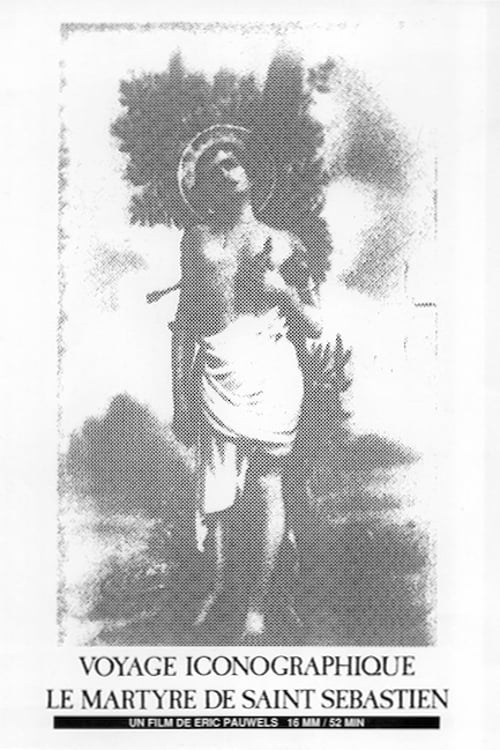
The film opens with a memory of St. Sebastian in Goa, a man pierced by arrows, setting the stage for a European journey through thirty paintings. Eric Pauwels’s 1989 documentary is not a historical survey but a personal voyage of initiation, where the camera moves with the brushstrokes, seeking the “space between suffering and enjoyment.” The sold meaning is clear: the male body in pain is the ultimate aesthetic and spiritual object, a canvas for the viewer’s contemplation. The narrator’s voice is intimate, almost seductive, as he describes the “fineness of the pierced skin” and the “femininity” of the saint, blurring the lines between gender and art. The film’s argument is that Christian iconography remains a living force, capable of evoking genuine emotion and spiritual insight. The narrator’s journey is one of rediscovery, moving from the “strange atmosphere” of the Orsay to the “summer light” of Brittany. The ending is a moral verdict on the power of art to transcend time, with the narrator finding a sense of peace and connection in the final paintings. The last image is not a critique of the past but an affirmation of its enduring beauty, a quiet hymn to the West’s cultural heritage. The film is a polished, clever construction that tells a liberal message of personal discovery through the lens of traditional faith.
Category Breakdown
The narrator labels Emperor Diocletian as “mad, homosexual,” framing same-sex desire as imperial pathology. This historical context positions queer identity as a source of divine persecution rather than a normalized social reality within the martyrdom narrative.
The gaze aestheticizes the male body, noting the “femininity” and “fineness of the pierced skin” in paintings. While a daughter and partner appear in domestic scenes, the narrative remains a male director’s subjective exploration of male suffering, treating female presence as incidental.
The cast consists entirely of European figures, with a brief opening reference to Goa, India, functioning only as a nostalgic memory. The visual field is dominated by white European artists and saints, offering no on-screen depth or power to non-white identities beyond this initial marker.
Christian faith serves as the central aesthetic and moral framework, analyzing the tension between suffering and enjoyment in martyrdom. Traditional Western institutions are presented as the source of artistic meaning, with the narrator’s personal journey validating the enduring power of Christian iconography over secular interpretations.
Physical suffering is depicted through arrows piercing the body, framed as a spiritual or aesthetic experience rather than a lived disability. The “wounded” state is a static artistic subject, not a condition that alters the character’s agency or social standing in the narrative.
Present on Screen
Limited or Absent
Official Synopsis
A personal travel notebook. A travel through Europe in search of thirty paintings of the iconic Christian martyr. The film is conceived as a voyage of initiation, an imaginary reportage... imaginary because without an original image of the Saint, all representations were possible.
2020
2001

1957
2003
1932

2005
2004
2008
No reviews yet. Be the first to share your thoughts on this movie!
Use the rating form above to leave a star rating and optional review.