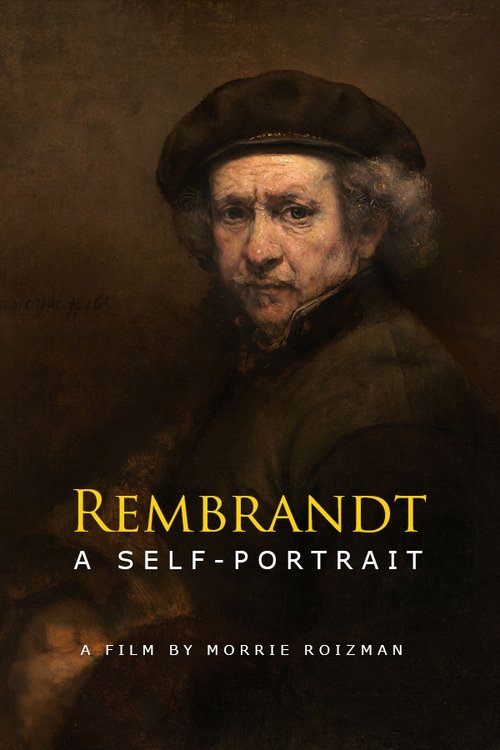
Rembrandt: A Self-Portrait
1954
No user ratings available yet
Representation score: 1.7 out of 10

Representation Score
Fair
1957
Director
Bert Haanstra
Runtime
20 minutes
Average Rating
No ratings yetNew Showbiz Analysis
Bert Haanstra’s documentary is a humanistic visual essay that uses 17th-century paintings to explore individual ability to act. By stripping away religious iconography, the film shifts the focus from divine authority to the psychological depth of the human subject. The work is progressive for its era, particularly in its secularist approach to art history. It replaces theological context with a study of personhood, though it remains limited by the historical homogeneity of its subject matter. Ultimately, the film succeeds as a study of the individual. While it lacks modern characters who reflect more than one aspect of diversity, its rejection of religious hegemony provides a sophisticated, human-centered perspective.
Category Breakdown
The documentary focuses on historical art rather than explicit LGBTQ+ narratives. While the paintings may depict human intimacy, the film's structure does not center on non-straight identities or active subversion.
The film achieves moderate success by emphasizing Rembrandt's focus on the individual. This approach moves away from depicting women as mere domestic symbols, instead highlighting their psychological complexity and active roles in the story.
The visual palette is largely homogeneous, reflecting the 17th-century Dutch context. While it lacks non-Western perspectives, the focus on the individual subtly subverts the era's rigid social stratifications.
The film scores highly by prioritizing secular humanism over religious dogma. By cutting through religious motives, it challenges the Church as the primary lens for understanding the human experience.
The film treats physical imperfection and aging with dignity. While it lacks a dedicated focus on neurodivergence, it captures human vulnerability through Rembrandt's depictions of the weathered and aged.
Present on Screen
Limited or Absent
Official Synopsis
In Rembrandt, Haanstra shows that it is possible to make a fascinating film only with images from paintings. He had to travel though all over Europe to numerous museums and private owners in order to film the works of art. In the work of the great painter, Haanstra recognizes his particular interest in man as an individual human being, cutting straight through all the religious motives. And Haanstra also wants to see Rembrandt as an individual.
1954
2013

1948
2019

1987
2006
1999
2009
No reviews yet. Be the first to share your thoughts on this movie!
Use the rating form above to leave a star rating and optional review.