Easter in Sicily
1955
No user ratings available yet
Representation score: 0.9 out of 10
Representation Score
Minimal
2020
Director
Phil Grabsky
Runtime
86 minutes
Average Rating
No ratings yetNew Showbiz Analysis
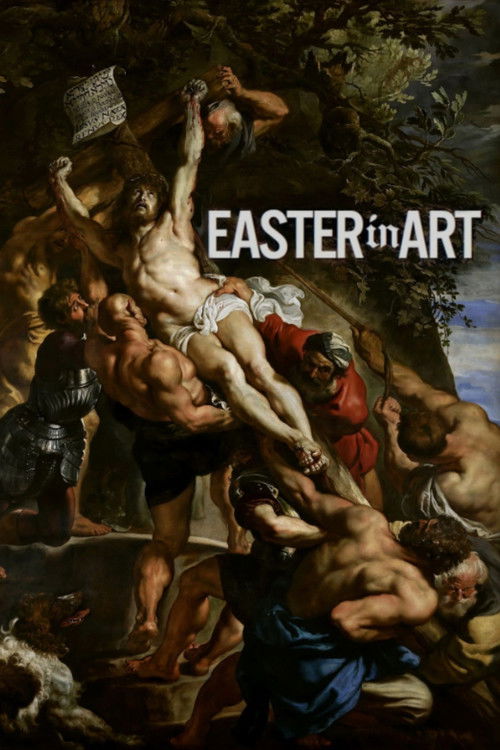
Easter in Art serves as a traditionalist survey of cultural heritage, prioritizing the continuity of the Western Christian canon. The film's structure is designed to interpret established religious narratives rather than challenge them. Because the documentary focuses on historical accuracy and classical aesthetics, it inherently reflects the social and religious hierarchies of the eras it examines. This results in a narrow scope regarding modern social identities. The work functions as a chronological exploration of religious iconography, making it a study of historical preservation rather than a platform for contemporary progressive representation.
Category Breakdown
The film centers on traditional religious frameworks and historical depictions of the Easter narrative. It lacks representation of non-conforming gender identities or narratives that question the assumption that everyone is straight or cisgender.
The documentary relies on classical art that reinforces historical gender hierarchies. Visuals emphasize traditional masculine leadership and submissive feminine archetypes found in biblical depictions.
While filmed in diverse locations like Jerusalem, the visual focus remains on the Eurocentric evolution of Western Christian art. It does not center non-white perspectives.
The narrative is a celebration of Western religious institutions and Christian morality. It prioritizes the preservation of religious iconography over the deconstruction of traditional structures.
There is no evidence of characters or figures with visible or invisible disabilities. The focus remains strictly on the aesthetic and theological significance of the artworks.
Present on Screen
Limited or Absent
Official Synopsis
Shot on location in Jerusalem, the United States, and throughout Europe, this documentary explores the Easter story as seen through art, from the early Christians to the modern era. Through centuries of artistic interpretation, it reveals not only the story of Easter, but the story of humanity itself.
1955

2011
2018
2003
1977
2015
2007
2007
No reviews yet. Be the first to share your thoughts on this movie!
Use the rating form above to leave a star rating and optional review.